Seerah · Alimiyyah
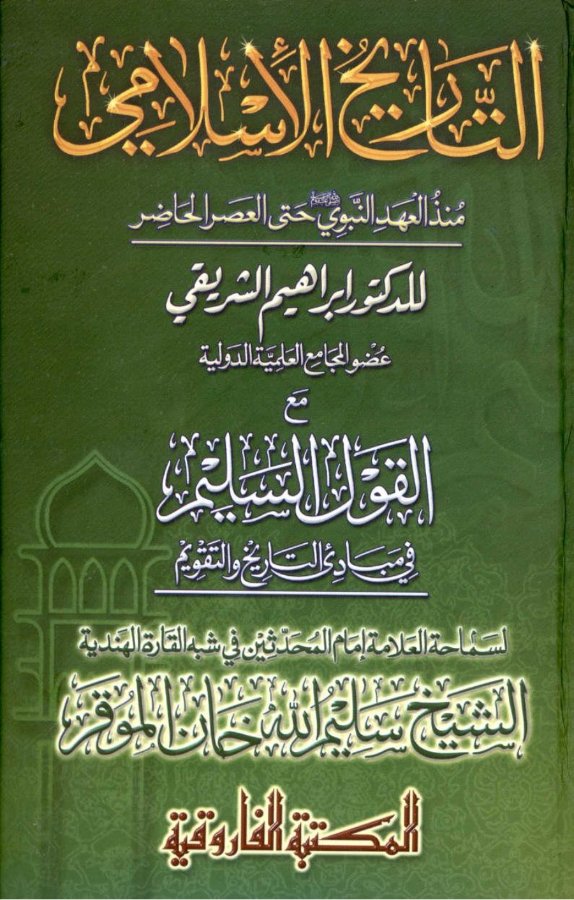
Al-Tarikh al-Islami (with Al-Qawl as-Salim fi Mabadi' at-Ta'rikh wa't-Taqwim)
التاريخ الإسلامي مع القول السليم في مبادئ التأريخ والتقويم
Al-Tarikh al-Islami (with Al-Qawl as-Salim fi Mabadi' at-Ta'rikh wa't-Taqwim) is a Seerah kitab on the Alimiyyah shelf of the Labbaik Library, split into the 119 sections teachers track it by. Add it to a class in one tap and see where every class and student is in it, section by section.
- Publisher
- Al-Maktabah al-Farooqia, Karachi (Al-Tarikh al-Islami: 4th edition, 1427 AH / 2006; Al-Qawl as-Salim: 2008 / 1429 AH)
- Sections
- 119
- Pages
- 268
Contents of Al-Tarikh al-Islami (with Al-Qawl as-Salim fi Mabadi' at-Ta'rikh wa't-Taqwim)
The 119 sections teachers mark progress against, in order, with their English names and the printed page numbers.
- 1القول السليم: التأريخ لغةً واصطلاحاً، موضوعه، فوائده، غايته، حكمه، أقسامه، مكانتهAl-Qawl as-Salim: Definition of history, its subject, benefits, purpose, ruling, divisions and statuspp. 3–8
- 2القول السليم: قواعد التأريخ وأشهر كتبهAl-Qawl as-Salim: Rules of history and the most famous bookspp. 9–12
- 3أول من أرّخ قبل الإسلامThe first to date events before Islamp. 13
- 4أول من أرّخ في الإسلام: التقويم الهجريThe first to date events in Islam: the Hijri calendarpp. 14–20
- 5مقدمة (الطبعة الثانية)Introduction (Second Edition)pp. 5–6
- 6مقدمة (الطبعة الأولى)Introduction (First Edition)pp. 7–9
- 7كلمة ثناء وتقديرWord of Praise and Appreciationp. 10
- 8الفصل الأول: العرب قبل ظهور الإسلامChapter 1: The Arabs before the Rise of Islampp. 13–24
- 9الفصل الثاني: بزوغ فجر الإسلامChapter 2: The Dawn of Islampp. 25–29
- 10الاسراء والمعراجAl-Isra wal-Mi'rajp. 30
- 11مقاومة قريش للدعوةQuraysh's resistance to the callpp. 30–31
- 12الهجرة إلى الحبشةMigration to Abyssiniap. 31
- 13جحود قريش وتهديدهاQuraysh's denial and threatspp. 31–32
- 14بيعة العقبةThe pledge of al-Aqabahpp. 32–33
- 15انتداب مصعب بن عميرDispatch of Mus'ab ibn Umayrp. 34
- 16بيعة العقبة الثانيةThe second pledge of al-Aqabahp. 34
- 17الهجرة إلى المدينة المنورةThe Hijrah to Madinahpp. 34–35
- 18بناء مسجد المدينةBuilding the Madinah mosquep. 35
- 19بناء الدولة الإسلاميةBuilding the Islamic statep. 36
- 20مجلس استشاريThe consultative councilp. 36
- 21غزوة بدر الكبرى (سنة 2 هـ – 624 م)Battle of Badr (2 AH / 624 CE)pp. 37–38
- 22غزوة أحد (سنة 3 هـ – 625 م)Battle of Uhud (3 AH / 625 CE)p. 38
- 23غزوة الاحزاب (سنة 4 هـ – 626 م)Battle of the Confederates (4 AH / 626 CE)p. 39
- 24غزوة بني قريظةExpedition against Banu Qurayzahpp. 39–40
- 25غزوات ثلاثThree expeditionspp. 40–41
- 26صلح الحديبيةTreaty of Hudaybiyahpp. 41–42
- 27مكاسب الصلحGains of the treatyp. 42
- 28الرسول يدعو الملوك إلى الإسلامThe Prophet invites kings to Islamp. 42
- 29فتح خيبر (سنة 8 هـ – 629 م)Conquest of Khaybar (8 AH / 629 CE)p. 43
- 30عمرة القضاءUmrat al-Qadap. 43
- 31غزوة مؤتةBattle of Mu'tahpp. 43–44
- 32فتح مكة (سنة 8 هـ – 630 م)Conquest of Makkah (8 AH / 630 CE)pp. 44–46
- 33تحطيم الأصنامDestruction of the idolsp. 46
- 34غزوة حنين (سنة 8 هـ – 630 م)Battle of Hunayn (8 AH / 630 CE)pp. 46–47
- 35عام الوفودThe Year of Delegationsp. 47
- 36حجة الوداعThe Farewell Pilgrimagepp. 47–48
- 37وفاة الرسولDeath of the Prophetpp. 48–49
- 38مزاياه وصفاتهHis virtues and attributespp. 49–50
- 39مآثر الإسلامThe merits of Islamp. 50
- 40أركان الإسلامThe Pillars of Islampp. 51–52
- 41الجهاد في الإسلامJihad in Islamp. 52
- 42الفصل الثالث: الفتوح في عهد الخلفاء الراشدين — قيام الخلافةChapter 3: Conquests in the era of the Rightly Guided Caliphs — Establishment of the Caliphatep. 53
- 43الفصل الثالث — أبو بكر الصديقChapter 3 — Abu Bakr as-Siddiqpp. 53–54
- 44الفصل الثالث — حملة أسامة إلى البلقاءChapter 3 — Usamah's expedition to al-Balqap. 54
- 45الفصل الثالث — حروب الردةChapter 3 — The Ridda warsp. 54
- 46فتح الحيرة والأنبار وفتح الشامConquest of al-Hira and al-Anbar; conquest of Sham (Abu Bakr)p. 55
- 47جمع القرآن في عهد أبي بكر وعمر بن الخطابCompilation of the Quran under Abu Bakr; Umar ibn al-Khattabpp. 56–57
- 48سير مراحل الفتوحات الإسلاميةCourse of the Islamic conquests (Yarmouk, Jerusalem, Iraq and Persia, Egypt)pp. 58–61
- 49شخصية عمر بن الخطاب واصلاحاته؛ عثمان بن عفانPersonality and reforms of Umar; Uthman ibn Affanp. 62
- 50بيعة عثمان واستمرار الفتوحات ونشوب الفتنةBay'ah of Uthman, continued conquests and the outbreak of fitnapp. 63–64
- 51علي بن أبي طالبAli ibn Abi Talibp. 65
- 52موقعة الجمل وصفين وشخصية الإمام عليBattles of the Camel and Siffin; personality of Imam Alipp. 66–67
- 53مؤامرة الخوارج وبيعة الحسن وتنازلهPlot of the Khawarij; Hasan's pledge and abdicationpp. 68–69
- 54نتائج الفتوح في عهد الخلفاء الراشدينResults of the conquests in the Rightly-Guided Caliphatep. 70
- 55الفصل الرابع: الدولة الأموية — معاوية بن أبي سفيانChapter 4: The Umayyad State — Muawiyah ibn Abi Sufyanpp. 71–73
- 56الدولة الأموية — خلافة يزيد بن معاوية ومأساة كربلاءUmayyads: Caliphate of Yazid ibn Muawiyah and the tragedy of Karbalapp. 74–75
- 57الدولة الأموية — التنافس على الخلافةUmayyads: Rivalry over the caliphate (Ibn al-Zubayr, Marwan)pp. 76–77
- 58الدولة الأموية — عبد الملك بن مروانUmayyads: Abd al-Malik ibn Marwanpp. 78–81
- 59الإصلاحات الكبرى (بناء مسجد الصخرة والقبة)The Major Reforms (Building the Dome of the Rock)pp. 82–83
- 60اتساع الدولة الإسلامية (في عهد الوليد بن عبد الملك)Expansion of the Islamic State (in the reign of al-Walid ibn Abd al-Malik)pp. 84–92
- 61خلافة سليمان بن عبد الملكThe Caliphate of Sulayman ibn Abd al-Malikp. 93
- 62الخليفة الصالح عمر بن عبد العزيزThe Righteous Caliph Umar ibn Abd al-Azizpp. 94–97
- 63تدهور حكم بني أميةThe Decline of Umayyad Rulepp. 98–100
- 64من التقويم إلى التصدع والاضمحلالFrom Restoration to Fracture and Decaypp. 101–109
- 65الفصل الخامس: الدولة العباسيةChapter 5: The Abbasid Statepp. 110–130
- 66المجالس الاجتماعيةSocial gatherings (Harun al-Rashid's era)p. 131
- 67ولاية العهد ووفاة الرشيدThe succession and death of al-Rashidpp. 132–133
- 68خلافة الأمينCaliphate of al-Aminp. 133
- 69الفتنة بين الأخوينThe strife between the two brotherspp. 133–134
- 70نهاية خلافة الأمينEnd of al-Amin's caliphatep. 134
- 71عهد خلافة المأمونReign of al-Ma'munpp. 135–137
- 72القضاء على البدع والفتنSuppression of heresies and seditionp. 137
- 73الثروة العلمية والأدبيةScientific and literary wealthp. 138
- 74وفاة الخليفة المأمونDeath of Caliph al-Ma'munpp. 138–139
- 75عهد المعتصم باللهReign of al-Mu'tasim billahp. 139
- 76بناء حاضرة جديدةBuilding a new capital (Samarra)pp. 139–140
- 77حركة بابك الخرمي والقضاء عليهاBabak al-Khurrami's movement and its suppressionpp. 140–141
- 78فتح عمورية في بلاد الرومConquest of Amoriumpp. 141–142
- 79اكتشاف المؤامرةDiscovery of the conspiracyp. 142
- 80نهاية الافشينThe end of al-Afshinp. 143
- 81خلافة الواثق بن المعتصمCaliphate of al-Wathiqpp. 143–144
- 82عهد الخليفة المتوكل على اللهReign of Caliph al-Mutawakkilpp. 145–146
- 83مقتل الخليفة المتوكلAssassination of al-Mutawakkilp. 146
- 84بداية الضعف في الدولة العباسيةBeginning of weakness in the Abbasid statepp. 146–147
- 85الحركات الانفصاليةSeparatist movementspp. 147–148
- 86الفصل السادس: الدولة الأموية في الأندلس — مؤسسها عبد الرحمن الداخلChapter 6: The Umayyad state in Andalusia — its founder Abd al-Rahman al-Dakhilpp. 149–150
- 87الأندلس: توطيد دعائم الدولة وسحق القوات المعاديةConsolidating the state and crushing hostile forcespp. 150–152
- 88الأندلس: ازدهار قرطبةThe flourishing of Cordobap. 152
- 89الأندلس: هشام بن عبد الرحمن الأمير التقي العادلHisham ibn Abd al-Rahman, the pious and just Amirpp. 152–153
- 90الأندلس: الوضع في عهد الحكم بن هشامThe situation under al-Hakam ibn Hishamp. 153
- 91الأندلس: التقدم في عهد عبد الرحمن الثانيProgress under Abd al-Rahman IIp. 153
- 92العصر الذهبي في الأندلس (عهد عبد الرحمن الثالث)The golden age in Andalusia (Abd al-Rahman III)pp. 154–164
- 93الفصل السابع: الدولة الطولونية في مصرChapter 7: The Tulunid State in Egypt (with the Aghlabids and Ikhshidids)pp. 165–172
- 94الفصل الثامن: الدولة الفاطميةChapter 8: The Fatimid Statepp. 173–180
- 95الفصل التاسع: الدولة الحمدانيةChapter 9: The Hamdanid Statepp. 181–183
- 96الفصل التاسع: الدولة الغزنويةChapter 9: The Ghaznavid Statepp. 184–185
- 97الفصل التاسع: الدولة البويهيةChapter 9: The Buwayhid Statepp. 186–187
- 98الفصل التاسع: دولة السلاجقةChapter 9: The Seljuk Statepp. 188–192
- 99الفصل العاشر: الدولة الأيوبيةChapter 10: The Ayyubid Statepp. 193–202
- 100الفصل العاشر: دولة المماليكChapter 10: The Mamluk Statepp. 203–208
- 101الفصل الحادي عشر: البواعث على الحروب الصليبية وأثرها في الغرب والشرقChapter 11: The Motives for the Crusades and Their Impact on West and Eastpp. 209–218
- 102الفصل الثاني عشر: الغزو المغوليChapter 12: The Mongol Invasionpp. 219–227
- 103الفصل الثالث عشر: الدولة العثمانيةChapter 13: The Ottoman Statepp. 228–229
- 104فتح العثمانيين للبلاد العربيةThe Ottoman conquest of the Arab landspp. 230–233
- 105نظام الحكم العثمانيThe Ottoman system of governmentpp. 234–235
- 106الدولة العثمانية في دور الانحدارThe Ottoman state in the period of declinepp. 236–237
- 107رواد الدعوة الى الاصلاحPioneers of the call to reformpp. 238–241
- 108دولة المغل (المغول) الاسلاميةThe Islamic Mughal statep. 242
- 109مطامع اوروبا وزوال الدولة العثمانيةEuropean ambitions and the fall of the Ottoman statep. 243
- 110نضال الشعوب الاسلاميةThe struggle of the Muslim peoplespp. 244–246
- 111الفصل الرابع عشر: حركة الإصلاح الكبرى في نجدChapter 14: The great reform movement in Najdp. 247
- 112اتساع حركة الاصلاح في عهد الدولة السعودية الاولىSpread of the reform movement under the first Saudi statep. 248
- 113الدولة السعودية الثانيةThe second Saudi statep. 249
- 114الدولة السعودية الثالثةThe third Saudi statepp. 250–254
- 115انتشار الإسلام في العالمThe Spread of Islam in the Worldpp. 255–257
- 116الحضارة الإسلامية وأثرها في نهضة أوروباIslamic Civilization and Its Impact on Europe's Renaissancepp. 258–261
- 117العالم الإسلامي في العصر الحاضرThe Islamic World in the Present Agepp. 262–265
- 118خريطة العالم الإسلامي في عصر الدولة العباسيةMap of the Islamic World in the Abbasid Erapp. 266–267
- 119المراجعReferencesp. 268
Only the cover and this outline are shared, never the kitab’s contents. All credit belongs to its author and publisher.
Tracking Al-Tarikh al-Islami (with Al-Qawl as-Salim fi Mabadi' at-Ta'rikh wa't-Taqwim) in Labbaik
- Add it to a class. Pick it from the Library in one tap. Its sections come with it, so nobody types out a contents page.
- Mark progress as you teach. The ustadh marks each section as the class reaches it, and can mark any student who is ahead or behind.
- See where everyone is. The principal sees every year group's place in every kitab, and adult students see their own progress in the portal.
More on running an Alimiyyah programme: Labbaik for Darul Ulooms and Islamic institutes, the Dars-e-Nizami syllabus year by year, and the guide to Darul Uloom software.
More Seerah kitabs in the Library
- Hayat as-Sahabah · حياة الصحابة
- Seerat Khatam al-Anbiya (Awjaz as-Siyar li-Khayr al-Bashar) · سیرت خاتم الانبیاء