Inheritance · Alimiyyah
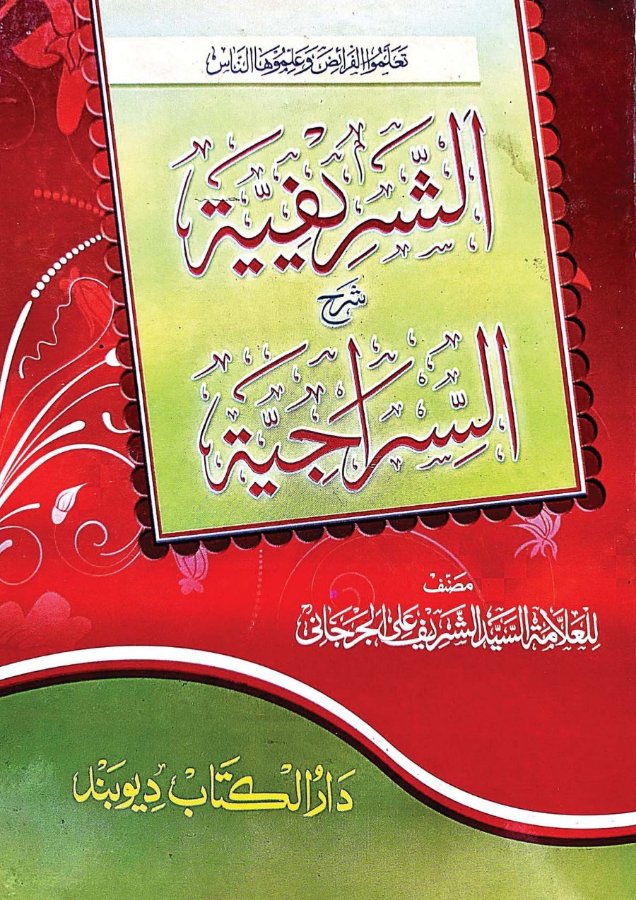
Ash-Sharifiyyah (Sharh as-Sirajiyyah)
الشريفية شرح السراجية
Ash-Sharifiyyah (Sharh as-Sirajiyyah) is an Inheritance kitab on the Alimiyyah shelf of the Labbaik Library, split into the 29 sections teachers track it by. Add it to a class in one tap and see where every class and student is in it, section by section.
- Publisher
- Dar al-Kitab, Deoband, 2011
- Sections
- 29
- Pages
- 267
Contents of Ash-Sharifiyyah (Sharh as-Sirajiyyah)
The 29 sections teachers mark progress against, in order, with their English names and the printed page numbers.
- 1مقدمة الكتاب: الخطبة وحقوق التركة وأصحاب الفرائض والعصباتOpening of the book: Introduction, rights connected to the estate, and the order of heirspp. 3–24
- 2فصل (موانع الإرث)Fasl: The impediments to inheritance (slavery, killing, difference of religion, difference of abode)pp. 25–40
- 3باب معرفة الفروض ومستحقيهاBab: Knowing the fixed shares and their heirspp. 41–48
- 4فصل في النساءFasl: The female heirs (shares of wives)pp. 49–84
- 5باب العصباتChapter on the Asabat (agnatic heirs)pp. 85–106
- 6باب الحجبBab al-Hajb (Chapter on Exclusion)pp. 107–113
- 7باب مخارج الفروضBab Makharij al-Furud (Chapter on the Denominators of the Fixed Shares)pp. 114–121
- 8باب العولBab al-Awl (Chapter on Proportional Reduction of Shares)pp. 122–127
- 9فصل في معرفة التماثل والتداخل والتوافق والتباين بين العددينFasl: Knowing equality, inclusion, agreement and disparity between two numberspp. 128–134
- 10باب التصحيحBab at-Tashih (Correcting the inheritance problem)pp. 135–146
- 11فصل في معرفة نصيب كل فريق والواحد منهمFasl: Knowing the share of each group and of each individualpp. 147–149
- 12فصل في قسمة التركات بين الورثة والغرماءChapter on dividing the estate among the heirs and creditorspp. 150–156
- 13فصل في التخارجChapter on Takharuj (heirs settling to buy out a share)pp. 157–159
- 14باب الردChapter on Radd (return of the surplus)pp. 160–171
- 15باب مقاسمة الجدChapter on the grandfather sharing with siblingspp. 172–187
- 16باب المناسخةChapter on Munasakhah (transfer of inheritance)pp. 188–196
- 17باب ذوي الأرحامChapter on Dhawu al-Arham (distant relatives)pp. 197–204
- 18فصل في الصنف الأولChapter on the First Class (of Dhawi al-Arham)pp. 205–215
- 19فصل (تتمة مباحث الصنف الأول: اعتبار الجهات)Chapter: Completion of the First Class — Consideration of Directions (Jihat)pp. 216–218
- 20فصل في الصنف الثانيChapter on the Second Classpp. 219–220
- 21فصل في الصنف الثالثChapter on the Third Classpp. 221–227
- 22فصل في الصنف الرابعChapter on the Fourth Class (of Dhawu al-Arham)pp. 228–229
- 23فصل في أولادهمChapter on their Childrenpp. 230–239
- 24فصل في الخنثىChapter on the Khuntha (Hermaphrodite)pp. 240–247
- 25فصل في الحملChapter on the Unborn Child (Pregnancy)pp. 248–257
- 26فصل في المفقودChapter on the Missing Person (Mafqud)pp. 258–261
- 27فصل في المرتدChapter on the Apostate (Murtad)pp. 262–263
- 28فصل في الأسيرChapter on the Captive (Asir)p. 264
- 29فصل في الغرقى والحرقى والهدمىChapter on Those Who Drowned, Burned or Were Crushed (Gharqa, Harqa, Hadma)pp. 265–267
Only the cover and this outline are shared, never the kitab’s contents. All credit belongs to its author and publisher.
Tracking Ash-Sharifiyyah (Sharh as-Sirajiyyah) in Labbaik
- Add it to a class. Pick it from the Library in one tap. Its sections come with it, so nobody types out a contents page.
- Mark progress as you teach. The ustadh marks each section as the class reaches it, and can mark any student who is ahead or behind.
- See where everyone is. The principal sees every year group's place in every kitab, and adult students see their own progress in the portal.
More on running an Alimiyyah programme: Labbaik for Darul Ulooms and Islamic institutes, the Dars-e-Nizami syllabus year by year, and the guide to Darul Uloom software.
More Inheritance kitabs in the Library
- Al-Sirajiyyah fi al-Mirath (al-Sirajī) · السراجي في الميراث مع الحواشي المفيدة المسمى بدليل الوراث
- As-Sirajiyyah fil-Mirath (with ash-Sharifiyyah) · السراجي في الميراث مع الشريفية وحاشيتها الماتعة
- Kitab ul Miras · کتاب المیراث
- Mu'in al-Fara'id · معین الفرائض