Hadith · Alimiyyah
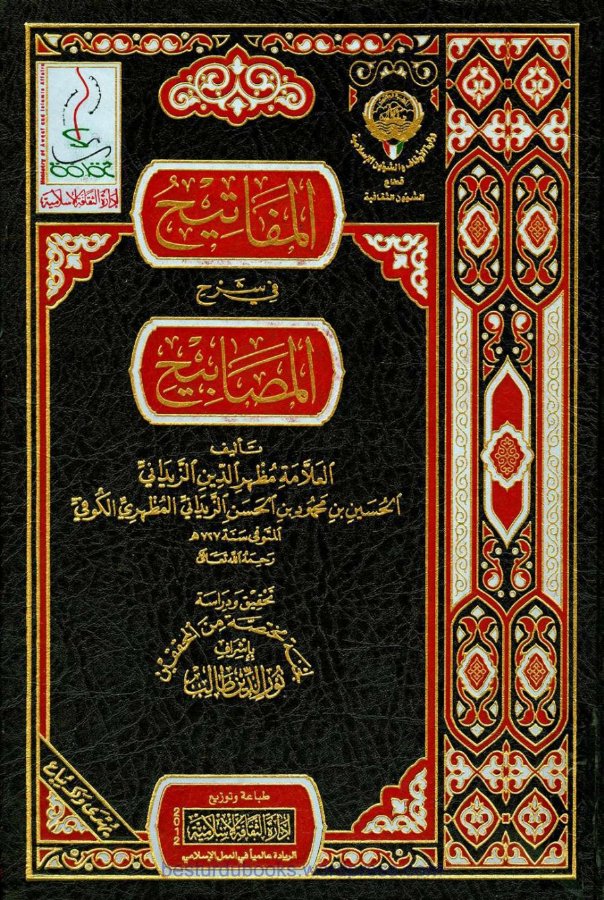
Al-Mafatih fi Sharh al-Masabih
المفاتيح في شرح المصابيح
Al-Mafatih fi Sharh al-Masabih is a Hadith kitab on the Alimiyyah shelf of the Labbaik Library, split into the 174 sections teachers track it by. Add it to a class in one tap and see where every class and student is in it, section by section.
- Publisher
- Idarat al-Thaqafa al-Islamiyya (Ministry of Awqaf, Kuwait), 2012
- Sections
- 174
- Pages
- 559
- Volumes
- 6
Contents of Al-Mafatih fi Sharh al-Masabih
The 174 sections teachers mark progress against, in order, with their English names and the printed page numbers.
- Volume 1
- 1مقدمات التحقيقEditors' introductionspp. 1–2
- 2مقدمة المؤلفAuthor's introductionpp. 3–16
- 3مقدمة المصابيحIntroduction of al-Masabihpp. 17–18
- 4شرح ديباجة الكتابCommentary on the book's prefacepp. 19–132
- 5كتاب الإيمان - باب الكبائر وعلامات النفاقKitab al-Iman: Chapter 2 - Major sins and signs of hypocrisypp. 133–151
- 6فصل في الوسوسةSection on whispers (waswasa)pp. 152–170
- 7باب الإيمان بالقدرChapter 3: Belief in Qadarpp. 171–217
- 8باب إثبات عذاب القبرChapter 4: Affirming the punishment of the gravepp. 218–236
- 9باب الاعتصام بالكتاب والسنةChapter 5: Holding fast to the Book and Sunnahp. 237
- 10كتاب العلمKitab al-Ilmpp. 238–355
- 11كتاب الطهارة - باب ما يوجب الوضوءKitab at-Taharah: Chapter 2 - What necessitates wudupp. 356–367
- 12باب أدب الخلاءChapter 3: Etiquette of the toiletpp. 368–387
- 13باب السواكChapter 4: Siwakpp. 388–392
- 14باب سنن الوضوءChapter 5: Sunan of wudupp. 393–405
- 15باب الغسلChapter 6: Ghuslpp. 406–416
- 16باب مخالطة الجنب وما يباح لهChapter 7: Mixing with a junub and what is permitted for himpp. 417–425
- 17باب أحكام المياهChapter 8: Rulings on waterspp. 426–433
- 18باب تطهير النجاساتChapter 9: Purifying impuritiespp. 434–441
- 19باب المسح على الخفينChapter 10: Wiping over leather sockspp. 442–447
- 20باب التيممChapter 11: Tayammumpp. 448–452
- 21باب الغسل المسنونChapter 12: Sunnah ghuslpp. 453–456
- 22باب الحيضChapter 13: Menstruation (Hayd)pp. 457–461
- 23باب المستحاضةChapter 14: Istihadahpp. 462–468
- Volume 2
- 24كتاب الصلاة – الباب الأولBook of Prayer – Chapter 1pp. 7–12
- 25٢ ـ باب المواقيتCh. 2: Prayer timespp. 13–18
- 26٣ ـ باب تعجيل الصلاةCh. 3: Hastening the prayerpp. 19–38
- 27٤ ـ باب الأذانCh. 4: The Adhanpp. 39–44
- 28٥ ـ باب فضل الأذان وإجابة المؤذنCh. 5: Virtue of the Adhan and answering the muezzinpp. 45–59
- 29٦ ـ باب المساجد ومواضع الصلاةCh. 6: Mosques and places of prayerpp. 60–88
- 30٧ ـ باب السترCh. 7: Covering the awrahpp. 89–96
- 31٨ ـ باب السترةCh. 8: The sutrahpp. 97–104
- 32٩ ـ باب صفة الصلاةCh. 9: Description of the prayerpp. 105–116
- 33١٠ ـ باب ما يقرأ بعد التكبيرCh. 10: What is recited after the Takbirpp. 117–124
- 34١١ ـ باب القراءة في الصلاةCh. 11: Recitation in prayerpp. 125–131
- 35١٢ ـ باب الركوعCh. 12: Rukupp. 132–137
- 36١٣ ـ باب السجود وفضلهCh. 13: Sujud and its virtuepp. 138–144
- 37١٤ ـ باب التشهدCh. 14: The Tashahhudpp. 145–159
- 38١٥ ـ باب الصلاة على النبي ﷺ وفضلهاCh. 15: Salawat on the Prophet and its virtuepp. 160–166
- 39١٦ ـ باب الدعاء في التشهدCh. 16: Supplication in the Tashahhudpp. 167–172
- 40١٧ ـ باب الذكر بعد الصلاةCh. 17: Dhikr after prayerpp. 173–179
- 41١٨ ـ باب ما لا يجوز من العمل في الصلاة وما يباح منهCh. 18: Actions impermissible and permissible in prayerpp. 180–194
- 42١٩ ـ باب سجود السهوCh. 19: Sujud as-Sahwpp. 195–200
- 43٢٠ ـ باب سجود القرآنCh. 20: Sujud of the Quranpp. 201–206
- 44٢١ ـ باب أوقات النهي عن الصلاةCh. 21: Times when prayer is forbiddenpp. 207–214
- 45٢٢ ـ باب الجماعة وفضلهاCh. 22: Congregation and its virtuepp. 215–222
- 46٢٣ ـ باب تسوية الصفCh. 23: Straightening the rowspp. 223–228
- 47٢٤ ـ باب الموقفCh. 24: Standing positionpp. 229–232
- 48٢٥ ـ باب الإمامةCh. 25: Leading the prayerpp. 233–237
- 49٢٦ ـ باب ما على الإمامCh. 26: Duties of the Imampp. 238–239
- 50٢٧ ـ باب ما على المأموم من المتابعة وحكم المسبوقCh. 27: Following the Imam and the ruling on the latecomerpp. 240–246
- 51٢٨ ـ باب من صلى صلاة مرتينCh. 28: One who prays a prayer twicepp. 247–248
- 52٢٩ ـ باب السنن وفضلهاCh. 29: Sunan and their virtuepp. 249–256
- 53٣٠ ـ باب صلاة الليلCh. 30: Night prayerpp. 257–265
- 54٣١ ـ باب ما يقول إذا قام من الليلCh. 31: What to say when rising at nightpp. 266–269
- 55٣٢ ـ باب التحريض على قيام الليلCh. 32: Encouragement to pray at nightpp. 270–276
- 56٣٣ ـ باب القصد في العملCh. 33: Moderation in deedspp. 277–282
- 57٣٤ ـ باب الوترCh. 34: Witrpp. 283–289
- 58٣٥ ـ باب القنوتCh. 35: Qunutpp. 290–293
- 59٣٦ ـ باب قيام شهر رمضانCh. 36: Night prayer in Ramadanpp. 294–297
- 60٣٧ ـ باب صلاة الضحىCh. 37: Duha prayerpp. 298–300
- 61٣٨ ـ باب التطوعCh. 38: Voluntary prayerpp. 301–303
- 62٣٩ ـ باب صلاة التسبيحCh. 39: Salat at-Tasbihpp. 304–306
- 63٤٠ ـ باب صلاة السفرCh. 40: Travel prayerpp. 307–312
- 64٤١ ـ باب الجمعةCh. 41: Friday prayerpp. 313–317
- 65٤٢ ـ باب وجوبهاCh. 42: Its obligationpp. 318–319
- 66٤٣ ـ باب التنظيف والتبكيرCh. 43: Cleanliness and going earlypp. 320–325
- 67٤٤ ـ باب الخطبة والصلاةCh. 44: The sermon and the prayerpp. 326–331
- 68٤٥ ـ باب صلاة الخوفCh. 45: Prayer of fearpp. 332–335
- 69٤٦ ـ باب صلاة العيدCh. 46: Eid prayer (incl. section on Udhiyah)pp. 336–356
- 70٤٧ ـ باب العتيرةCh. 47: Atirahp. 357
- 71٤٨ ـ باب صلاة الخسوفCh. 48: Eclipse prayer (incl. Sujud ash-Shukr)pp. 358–368
- 72٤٩ ـ باب الاستسقاءCh. 49: Prayer for rainpp. 369–384
- 73كتاب الجنائز ـ ١ ـ باب عيادة المريض وثواب المرضBook of Funerals – Ch. 1: Visiting the sickpp. 385–410
- 74٢ ـ باب تمني الموت وذكرهCh. 2: Wishing for death and remembering itpp. 411–418
- 75٣ ـ بابCh. 3pp. 419–423
- 76٤ ـ باب غسل الميت وتكفينهCh. 4: Washing and shrouding the deadpp. 424–428
- 77٥ ـ باب المشي بالجنازة والصلاة عليهاCh. 5: Walking with the bier and funeral prayerpp. 429–444
- 78٦ ـ باب دفن الميتCh. 6: Burialpp. 445–453
- 79٧ ـ باب البكاء على الميتCh. 7: Weeping over the deadpp. 454–465
- 80٨ ـ باب زيارة القبورCh. 8: Visiting gravespp. 466–478
- 81كتاب الزكاة ـ ١ ـ الباب الأولBook of Zakat – Chapter 1pp. 479–490
- 82٢ ـ باب ما تجب فيه الزكاةCh. 2: What Zakat is due onpp. 491–503
- 83٣ ـ باب صدقة الفطرCh. 3: Zakat al-Fitrpp. 504–505
- 84٤ ـ باب من لا تحل له الصدقةCh. 4: Who may not receive charitypp. 506–511
- 85٥ ـ باب من لا تحل له المسألة ومن تحل لهCh. 5: Who may and may not begpp. 512–521
- 86٦ ـ باب الإنفاق وكراهية الإمساكCh. 6: Spending and the dislike of withholdingpp. 522–528
- 87٧ ـ باب فضل الصدقةCh. 7: Virtue of charitypp. 529–545
- 88٨ ـ باب أفضل الصدقةCh. 8: Best charitypp. 546–553
- 89٩ ـ باب صدقة المرأة من مال زوجهاCh. 9: A woman's charity from her husband's wealthpp. 554–557
- 90١٠ ـ باب من لا يعود في الصدقةCh. 10: One who does not take back charitypp. 558–559
- Volume 3
- 91كتاب الصومKitab as-Sawm (Book of Fasting)pp. 7–62
- 92كتاب فضائل القرآنKitab Fadail al-Quran (Virtues of the Quran)pp. 63–118
- 93كتاب الدعواتKitab ad-Da'awat (Book of Supplications)pp. 119–252
- 94كتاب المناسكKitab al-Manasik (Book of Hajj Rites)pp. 253–382
- 95كتاب البيوعKitab al-Buyu' (Book of Transactions)pp. 383–549
- Volume 4
- 96كتاب النكاحKitab an-Nikahpp. 5–152
- 97كتاب العتقKitab al-Itqpp. 153–186
- 98كتاب القصاصKitab al-Qisaspp. 187–244
- 99كتاب الحدودKitab al-Hududpp. 245–282
- 100كتاب الإمارة والقضاءKitab al-Imarah wal-Qadapp. 283–342
- 101كتاب الجهادKitab al-Jihadpp. 343–471
- 102كتاب الصيد والذبائحKitab as-Sayd wadh-Dhaba'ihpp. 472–514
- 103كتاب الأطعمةKitab al-At'imahpp. 515–545
- Volume 5
- 104كتاب اللباسKitab al-Libas (Book of Clothing)pp. 7–86
- 105باب الفأل والطيرةChapter on Omens and Bird-Augurypp. 87–95
- 106باب الكهانة (ثم كتاب الرؤيا)Chapter on Soothsaying (then Kitab al-Ru'ya)pp. 96–118
- 107كتاب الآداب: باب السلامAdab: Chapter on Greetingpp. 119–129
- 108باب الاستئذانChapter on Seeking Permissionpp. 130–132
- 109باب المصافحة والمعانقةChapter on Handshaking and Embracingpp. 133–136
- 110باب القيامChapter on Standingpp. 137–139
- 111باب الجلوس والنوم والمشيChapter on Sitting, Sleeping and Walkingpp. 140–146
- 112باب العطاس والتثاؤبChapter on Sneezing and Yawningpp. 147–149
- 113باب الضحكChapter on Laughingp. 150
- 114باب الأساميChapter on Namespp. 151–158
- 115باب البيان والشعرChapter on Eloquence and Poetrypp. 159–169
- 116باب حفظ اللسان والغيبة والشتمChapter on Guarding the Tongue, Backbiting and Insultspp. 170–187
- 117باب الوعدChapter on Promisespp. 188–190
- 118باب المزاحChapter on Jokingpp. 191–194
- 119باب المفاخرة والعصبيةChapter on Boasting and Partisanshippp. 195–200
- 120باب البر والصلةChapter on Righteousness and Kinship Tiespp. 201–211
- 121باب الشفقة والرحمة على الخلقChapter on Compassion and Mercy towards Creationpp. 212–227
- 122باب الحب في الله والبغض في اللهChapter on Love and Hatred for the Sake of Allahpp. 228–233
- 123باب ما ينهى من التهاجر والتقاطع واتباع العوراتChapter on Forbidden Boycott, Severing Ties and Pursuing Faultspp. 234–242
- 124باب الحذر والتأني في الأمورChapter on Caution and Deliberationpp. 243–248
- 125باب الرفق والحياء وحسن الخلقChapter on Gentleness, Modesty and Good Characterpp. 249–252
- 126باب الغضب والكبرChapter on Anger and Pridepp. 253–256
- 127باب الظلمChapter on Oppressionpp. 257–260
- 128باب الأمر بالمعروفChapter on Enjoining the Goodpp. 261–289
- 129كتاب الرقاق: باب فضل الفقراء وما كان من عيش النبي ﷺRiqaq: Virtue of the Poor and the Prophet's Way of Livingpp. 290–299
- 130باب الأمل والحرصChapter on Hope and Greedpp. 300–302
- 131باب استحباب المال والعمر للطاعةChapter on Wealth and Life Used for Obediencepp. 303–305
- 132باب التوكل والصبرChapter on Reliance on Allah and Patiencepp. 306–312
- 133باب الرياء والسمعةChapter on Showing Off and Seeking Famepp. 313–319
- 134باب البكاء والخوفChapter on Weeping and Fearpp. 320–328
- 135باب تغير الناسChapter on the Change of Peoplepp. 329–334
- 136باب (الرقاق)Final Chapter of Riqaqpp. 335–367
- 137كتاب الفتن: باب الملاحمFitan: Chapter on Great Battlespp. 368–389
- 138باب أشراط الساعةChapter on Signs of the Hourpp. 390–404
- 139باب العلامات بين يدي الساعة وذكر الدجالChapter on Signs Before the Hour and the Dajjalpp. 405–436
- 140باب قصة ابن الصيادChapter on the Story of Ibn Sayyadpp. 437–450
- 141باب نزول عيسى عليه السلامChapter on the Descent of Isa (peace be upon him)pp. 451–455
- 142باب قرب الساعة وأن من مات فقد قامت قيامتهChapter on the Nearness of the Hourpp. 456–459
- 143باب لا تقوم الساعة إلا على الشرارChapter: The Hour Will Come Only upon the Wickedpp. 460–466
- 144باب النفخ في الصورChapter on Blowing the Trumpetpp. 467–472
- 145باب الحشرChapter on the Gatheringpp. 473–484
- 146باب الحساب والقصاص والميزانChapter on Reckoning, Retribution and the Scalepp. 485–497
- 147باب الحوض والشفاعةChapter on the Pond and Intercessionpp. 498–533
- Volume 6
- 148باب صفة الجنة وأهلهاChapter: Description of Paradise and its peoplepp. 5–23
- 149باب رؤية الله تعالىChapter: Seeing Allah the Exaltedpp. 24–26
- 150باب صفة النار وأهلهاChapter: Description of Hell and its peoplepp. 27–42
- 151باب خلق الجنة والنارChapter: The creation of Paradise and Hellpp. 43–46
- 152باب بدء الخلق وذكر الأنبياء عليهم السلامChapter: The beginning of creation and mention of the Prophetspp. 47–82
- 153باب فضائل سيد المرسلين صلوات الله عليهChapter: Virtues of the Master of the Messengerspp. 83–114
- 154باب أسماء النبي ﷺ وصفاتهChapter: Names and attributes of the Prophetpp. 115–135
- 155باب في أخلاقه وشمائله ﷺChapter: His character and noble qualitiespp. 136–150
- 156باب المبعث وبدء الوحيChapter: The commissioning and beginning of revelationpp. 151–171
- 157باب علامات النبوةChapter: Signs of prophethoodpp. 172–185
- 158فصل في المعراجSection: The Mi'rajpp. 186–200
- 159فصل في المعجزاتSection: Miraclespp. 201–266
- 160باب الكراماتChapter: Karamat (miracles of the saints)pp. 267–277
- 161باب في مناقب قريش وذكر القبائلChapter: Virtues of Quraysh and mention of the tribespp. 278–284
- 162باب مناقب الصحابةChapter: Virtues of the Companionspp. 285–289
- 163باب مناقب أبي بكر الصديقChapter: Virtues of Abu Bakr as-Siddiqpp. 290–293
- 164باب مناقب عمر بن الخطابChapter: Virtues of Umar ibn al-Khattabpp. 294–300
- 165باب مناقب أبي بكر وعمرChapter: Virtues of Abu Bakr and Umarpp. 301–304
- 166باب مناقب عثمان بن عفانChapter: Virtues of Uthman ibn Affanpp. 305–309
- 167باب مناقب هؤلاء الثلاثةChapter: Virtues of these threep. 310
- 168باب مناقب علي بن أبي طالبChapter: Virtues of Ali ibn Abi Talibpp. 311–314
- 169باب مناقب العشرةChapter: Virtues of the Ten (promised Paradise)pp. 315–318
- 170باب مناقب أهل بيت رسول الله ﷺChapter: Virtues of the Prophet's familypp. 319–331
- 171باب مناقب أزواج النبي ﷺChapter: Virtues of the Prophet's wivespp. 332–335
- 172باب جامع المناقبChapter: Comprehensive virtuespp. 336–355
- 173باب ذكر اليمن والشام، وذكر أويس القرنيChapter: Mention of Yemen and Sham, and Uways al-Qaranipp. 356–363
- 174باب ثواب هذه الأمةChapter: Reward of this Ummahpp. 364–368
Only the cover and this outline are shared, never the kitab’s contents. All credit belongs to its author and publisher.
Tracking Al-Mafatih fi Sharh al-Masabih in Labbaik
- Add it to a class. Pick it from the Library in one tap. Its sections come with it, so nobody types out a contents page.
- Mark progress as you teach. The ustadh marks each section as the class reaches it, and can mark any student who is ahead or behind.
- See where everyone is. The principal sees every year group's place in every kitab, and adult students see their own progress in the portal.
More on running an Alimiyyah programme: Labbaik for Darul Ulooms and Islamic institutes, the Dars-e-Nizami syllabus year by year, and the guide to Darul Uloom software.
More Hadith kitabs in the Library
- Al-Jami' al-Kabir (Sunan at-Tirmidhi) with al-Kawkab ad-Durri · الجامع الكبير (سنن الترمذي) ومعه الكوكب الدري على جامع الترمذي
- Al-Ta'liq al-Sabih ala Mishkat al-Masabih · التعليق الصبيح على مشكاة المصابيح
- Amani al-Ahbar fi Sharh Ma'ani al-Athar · أماني الأحبار في شرح معاني الآثار
- At-Taqrir ar-Rafi' li-Mishkat al-Masabih · التقرير الرفيع لمشكاة المصابيح
- Athar as-Sunan with at-Ta'liq al-Hasan · آثار السنن مع التعليق الحسن
- Badhl al-Majhud fi Hall Sunan Abi Dawud · بذل المجهود في حل سنن أبي داود
- Bahjat an-Nazar (commentary on Sharh Nukhbat al-Fikr) · بهجة النظر شرح على شرح نخبة الفكر
- Fath al-Bari · فتح الباري بشرح صحيح البخاري
- Fath al-Mulhim bi-Sharh Sahih al-Imam Muslim · فتح الملهم بشرح صحيح الإمام مسلم
- Imaan un-Nazar (Sharh Sharh Nukhbat al-Fikr) · إمعان النظر شرح شرح نخبة الفكر
- Jami at-Tirmidhi · جامع الترمذي
- Jawami al-Kalim: Forty Hadith with Forty Masnun Duas · جوامع الکلم یعنی چہل حدیث مع چہل ادعیہ مسنونہ