Inheritance · Alimiyyah
Al-Sirajiyyah fi al-Mirath (al-Sirajī)
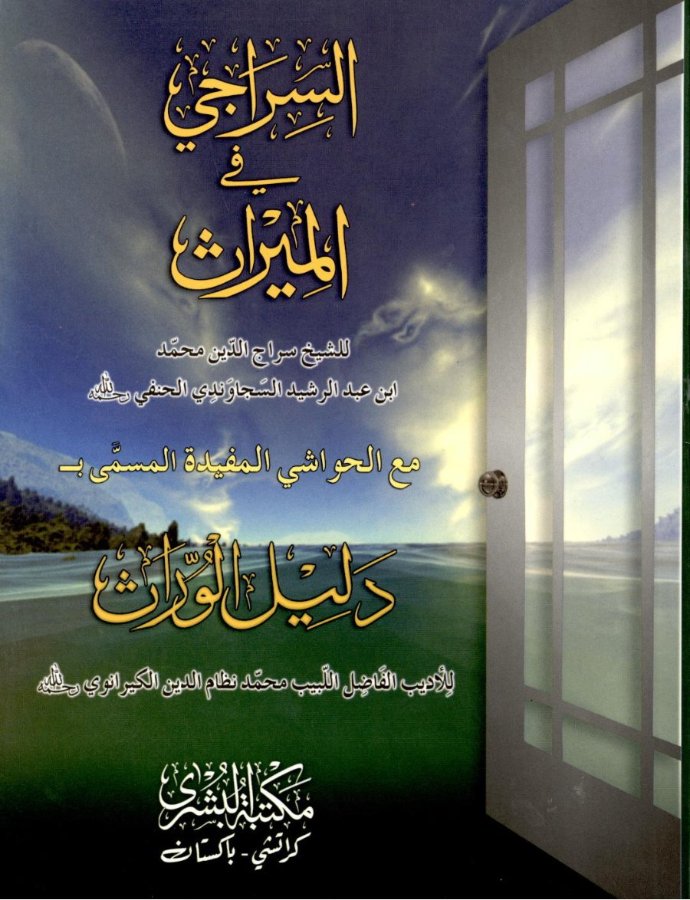
السراجي في الميراث مع الحواشي المفيدة المسمى بدليل الوراث
Al-Sirajiyyah fi al-Mirath (al-Sirajī) is an Inheritance kitab on the Alimiyyah shelf of the Labbaik Library, split into the 44 sections teachers track it by. Add it to a class in one tap and see where every class and student is in it, section by section.
- Publisher
- Maktabat al-Bushra (Al-Bushra Publishers), Karachi — new edition 1432 AH / 2011
- Sections
- 44
- Pages
- 144
Contents of Al-Sirajiyyah fi al-Mirath (al-Sirajī)
The 44 sections teachers mark progress against, in order, with their English names and the printed page numbers.
- 1الفرائض نصف العلم (خطبة الكتاب)Al-Fara'id Nisf al-'Ilm (Inheritance is half of knowledge): the book's prefacepp. 3–4
- 2الحقوق المتعلقة بتركة الميتRights attached to the deceased's estate (Tarikah)pp. 5–7
- 3ترتيب تقسيم التركةOrder of distributing the estatepp. 8–10
- 4فصل في الموانع من الإرثFasl fi al-Mawani' min al-Irth (Impediments to inheritance)pp. 11–12
- 5باب معرفة الفروض ومستحقيهاBab Ma'rifat al-Furud wa Mustahiqqiha (The fixed shares and who is entitled to them)p. 13
- 6أحوال الأبAhwal al-Ab (Cases of the father)p. 14
- 7أحوال الجد الصحيحAhwal al-Jadd as-Sahih (Cases of the true grandfather)p. 15
- 8أحوال أولاد الأمAhwal Awlad al-Umm (Cases of uterine siblings)p. 16
- 9أحوال الزوجAhwal az-Zawj (Cases of the husband)p. 17
- 10فصل في النساء: أحوال الزوجاتFasl fi an-Nisa': Ahwal az-Zawjat (Women: cases of wives)p. 18
- 11أحوال بنات الصلبAhwal Banat as-Sulb (Cases of daughters)p. 19
- 12أحوال بنات الابن وصورة مسألة بنات الابنAhwal Banat al-Ibn (Cases of son's daughters) and the son's daughters problempp. 20–24
- 13أحوال الأخوات لأب وأمAhwal al-Akhawat li-Ab wa Umm (Cases of full sisters)p. 25
- 14أحوال الأخوات لأبAhwal al-Akhawat li-Ab (Cases of paternal half-sisters)pp. 26–27
- 15أحوال الأمAhwal al-Umm (Cases of the mother)pp. 28–29
- 16أحوال الجدةAhwal al-Jaddah (Cases of the grandmother)pp. 30–31
- 17الجدول المشتمل على الأجداد والجداتTable of grandfathers and grandmotherspp. 32–34
- 18باب العصباتBab al-'Asabat (Residuary heirs)pp. 35–39
- 19باب الحجبBab al-Hajb (Exclusion)pp. 40–45
- 20باب مخارج الفروضBab Makharij al-Furud (Denominators of the fixed shares)pp. 46–49
- 21باب العولBab al-'Awl (Proportional reduction of shares)pp. 50–52
- 22فصل في معرفة التماثل والتداخل وطريق معرفة الموافقة والمباينةFasl: Tamathul, Tadakhul, Muwafaqah and Mubayanah (Relations between numbers)pp. 53–55
- 23باب التصحيحBab at-Tashih (Correcting the shares)pp. 56–61
- 24فصل في معرفة نصيب كل فريقFasl: Finding the share of each group of heirspp. 62–63
- 25فصل في قسمة التركات بين الورثة والغرماءFasl: Dividing estates between heirs and creditorspp. 64–66
- 26فصل في التخارجFasl fi at-Takharuj (An heir's withdrawal by settlement)p. 67
- 27باب الردBab ar-Radd (Return of the surplus)pp. 68–73
- 28باب مقاسمة الجدBab Muqasamat al-Jadd (The grandfather sharing with siblings)pp. 74–79
- 29باب المناسخةBab al-Munasakhah (Successive deaths before distribution)pp. 80–84
- 30باب ذوي الأرحامBab Dhawi al-Arham (Distant kindred)pp. 85–87
- 31فصل في الصنف الأولFasl: The first classpp. 88–94
- 32فصل اعتبار الجهات في التوريثFasl: Considering lines of relationship in inheritancepp. 95–97
- 33فصل في الصنف الثانيFasl: The second classpp. 98–99
- 34فصل في الصنف الثالثFasl: The third classpp. 100–103
- 35فصل في الصنف الرابعFasl: The fourth classpp. 104–105
- 36فصل في أولادهمFasl: Their childrenpp. 106–112
- 37فصل في الخنثىFasl fi al-Khuntha (The person of ambiguous sex)pp. 113–116
- 38فصل في الحملFasl fi al-Haml (The unborn child)pp. 117–124
- 39فصل في المفقودFasl fi al-Mafqud (The missing person)pp. 125–127
- 40فصل في المرتدFasl fi al-Murtadd (The apostate)pp. 128–129
- 41فصل في الأسير وفصل في الغرقى والحرقى والهدمىFasl fi al-Asir (The captive); and those who die by drowning, fire or collapsepp. 130–131
- 42الجدول الذي يتضمن بيان حق كل جنس من أصحاب الفروض والعصباتTable of the share of each class of sharers and residuariespp. 132–133
- 43رسالة جامع الفرائض (منظوم)Risalat Jami' al-Fara'id (in verse)pp. 134–138
- 44الرسالة المفيدة في علم الفرائضAr-Risalah al-Mufidah fi 'Ilm al-Fara'id (A useful treatise on inheritance)pp. 139–144
Only the cover and this outline are shared, never the kitab’s contents. All credit belongs to its author and publisher.
Tracking Al-Sirajiyyah fi al-Mirath (al-Sirajī) in Labbaik
- Add it to a class. Pick it from the Library in one tap. Its sections come with it, so nobody types out a contents page.
- Mark progress as you teach. The ustadh marks each section as the class reaches it, and can mark any student who is ahead or behind.
- See where everyone is. The principal sees every year group's place in every kitab, and adult students see their own progress in the portal.
More on running an Alimiyyah programme: Labbaik for Darul Ulooms and Islamic institutes, the Dars-e-Nizami syllabus year by year, and the guide to Darul Uloom software.
More Inheritance kitabs in the Library
- As-Sirajiyyah fil-Mirath (with ash-Sharifiyyah) · السراجي في الميراث مع الشريفية وحاشيتها الماتعة
- Ash-Sharifiyyah (Sharh as-Sirajiyyah) · الشريفية شرح السراجية
- Kitab ul Miras · کتاب المیراث
- Mu'in al-Fara'id · معین الفرائض