Usul al-Fiqh · Alimiyyah
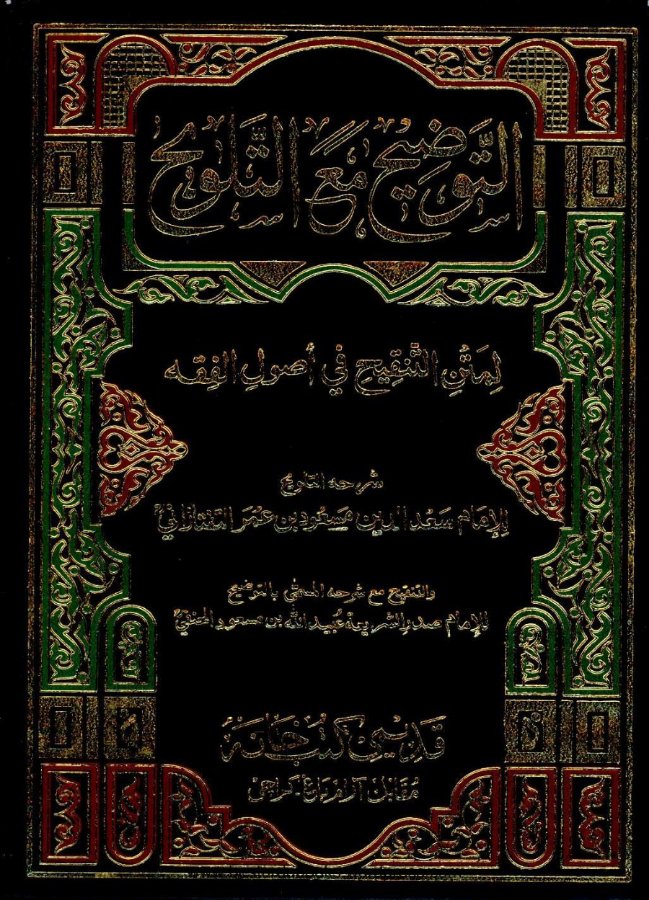
At-Tawdih ma'at-Talwih
التوضيح مع التلويح
At-Tawdih ma'at-Talwih is an Usul al-Fiqh kitab on the Alimiyyah shelf of the Labbaik Library, split into the 53 sections teachers track it by. Add it to a class in one tap and see where every class and student is in it, section by section.
- Publisher
- Qadimi Kutub Khana, Karachi
- Sections
- 53
- Pages
- 427
- Volumes
- 2
Contents of At-Tawdih ma'at-Talwih
The 53 sections teachers mark progress against, in order, with their English names and the printed page numbers.
- Volume 1
- 1خطبة الكتابIntroduction (Khutbah) of the bookpp. 5–14
- 2أصول الفقه: التعريفات والمبادئUsul al-Fiqh: definitions and introductory principlespp. 15–45
- 3الأدلة الشرعية - الركن الأول: القرآنThe Shar'i evidences - First pillar: the Quranp. 46
- 4الباب الأول: تقسيم اللفظ بالنسبة إلى المعنى - التقسيم الأول في اللفظPart 1: Division of the word in relation to meaning - First divisionpp. 47–65
- 5فصل: حكم العامSection: Ruling of the 'Aam (general)pp. 66–67
- 6فصل: قصر العامSection: Restriction of the 'Aampp. 68–83
- 7الفرق بين التخصيص والنسخDifference between Takhsis and Naskhpp. 84–86
- 8ألفاظ العامWords of generalitypp. 87–114
- 9فصل: حكم المطلق والمقيدSection: Ruling of the Mutlaq and Muqayyadpp. 115–120
- 10فصل: حكم المشتركSection: Ruling of the Mushtarakpp. 121–131
- 11التقسيم الثاني: في استعمال اللفظSecond division: usage of the wordp. 132
- 12فصل: في أنواع علاقات المجازSection: Types of relations of Majazpp. 133–155
- 13فصل: في الاستعارةSection: Isti'arah (metaphor)pp. 156–179
- 14حروف المعانيParticles of meaning (Huruf al-Ma'ani)pp. 180–220
- 15أسماء الظرفAdverbial nounsp. 221
- 16كلمات الشرطConditional wordspp. 222–227
- 17فصل: في الصريح والكنايةSection: Explicit (Sarih) and implicit (Kinayah) speechpp. 228–231
- 18التقسيم الثالث: في ظهور المعنى وخفائه بالنسبة للفظThird division: clarity and obscurity of meaningpp. 232–241
- 19التقسيم الرابع: في كيفية دلالة اللفظ على المعنىFourth division: how the word indicates meaningpp. 242–280
- 20الباب الثاني: في إفادة الحكم الشرعي اللفظ المفيد لهPart 2: The word that conveys a Shar'i rulingpp. 281–302
- 21فصل: إيجاب العموم والتكرار في الأمر المطلقSection: Generality and repetition in the absolute commandpp. 303–309
- 22فصل: الإتيان بالمأمور بهSection: Performing the commanded act (Ada', Qada')pp. 310–323
- 23فصل: لا بد للمأمور به من الحسنSection: The commanded act must be good (Husn)pp. 324–366
- 24فصل: التكليف بما لا يطاق غير جائزSection: Obligation beyond capacity is not permissiblepp. 367–374
- 25فصل: في المأمور بهSection: On the commanded act (four categories)pp. 375–401
- 26فصل: في أن الكفار يخاطبون بالشرائع أم لاSection: Are disbelievers addressed with the Shari'ah laws?pp. 402–407
- 27فصل: في النهي عن السيئاتSection: Prohibition of evil actspp. 408–420
- 28فصل: الأمر والنهي هل لهما حكم في الضد أم لا؟Section: Do command and prohibition carry a ruling on the opposite?pp. 421–424
- Volume 2
- 29السنةThe Sunnahpp. 3–109
- 30القياسQiyas (analogy)pp. 110–258
- 31حكم الفرض والواجبRuling of Fard and Wajibp. 259
- 32حكم النفلRuling of Naflpp. 260–261
- 33أقسام الحرامCategories of Harampp. 262–263
- 34أقسام المكروهCategories of Makruhp. 264
- 35الرخصة والعزيمةRukhsah and Azimahpp. 265–270
- 36صلاة المسافر رخصة إسقاطThe traveller's prayer as a dropping concessionpp. 271–272
- 37أقسام الحكم التعليقي والركنCategories of conditional rulings and the Ruknp. 273
- 38العلةThe Illah (effective cause)pp. 274–287
- 39السببThe Sabab (occasion)pp. 288–300
- 40الشرطThe Shart (condition)pp. 301–307
- 41العلامةThe Alamah (sign)pp. 308–313
- 42المحكوم بهAl-Mahkum bihi (the subject of the ruling)pp. 314–326
- 43المحكوم عليهAl-Mahkum alayhi (the person subject to the ruling)pp. 327–335
- 44الأهليةCapacity (Ahliyyah)pp. 336–347
- 45الأمور التي تعترض الأهلية: الجنون والصغر والعته والنسيان والنوم والإغماء والرقFactors affecting capacity: insanity, minority, imbecility, forgetfulness, sleep, fainting, slaverypp. 348–368
- 46الحيض والنفاس والمرض والموتMenstruation, post-natal bleeding, illness and deathpp. 369–376
- 47العوارض المكتسبة: الجهلAcquired factors: ignorance (Jahl)pp. 377–388
- 48السكرIntoxicationpp. 389–391
- 49حكم الهزلRuling of jest (Hazl)pp. 392–402
- 50السفه وأسباب الحجرFoolishness (Safah) and causes of interdictionpp. 403–407
- 51السفر وأحكامهTravel (Safar) and its rulingspp. 408–410
- 52حكم الخطأRuling of error (Khata')pp. 411–413
- 53الإكراهCoercion (Ikrah)pp. 414–427
Only the cover and this outline are shared, never the kitab’s contents. All credit belongs to its author and publisher.
Tracking At-Tawdih ma'at-Talwih in Labbaik
- Add it to a class. Pick it from the Library in one tap. Its sections come with it, so nobody types out a contents page.
- Mark progress as you teach. The ustadh marks each section as the class reaches it, and can mark any student who is ahead or behind.
- See where everyone is. The principal sees every year group's place in every kitab, and adult students see their own progress in the portal.
More on running an Alimiyyah programme: Labbaik for Darul Ulooms and Islamic institutes, the Dars-e-Nizami syllabus year by year, and the guide to Darul Uloom software.
More Usul al-Fiqh kitabs in the Library
- Mabadi al-Usul · مبادئ الأصول
- Muntakhab al-Husami with its commentary an-Nami · منتخب الحسامي مع شرحه النامي
- Nur al-Anwar (Sharh al-Manar) · نور الأنوار شرح المنار
- Usul ash-Shashi · أصول الشاشي