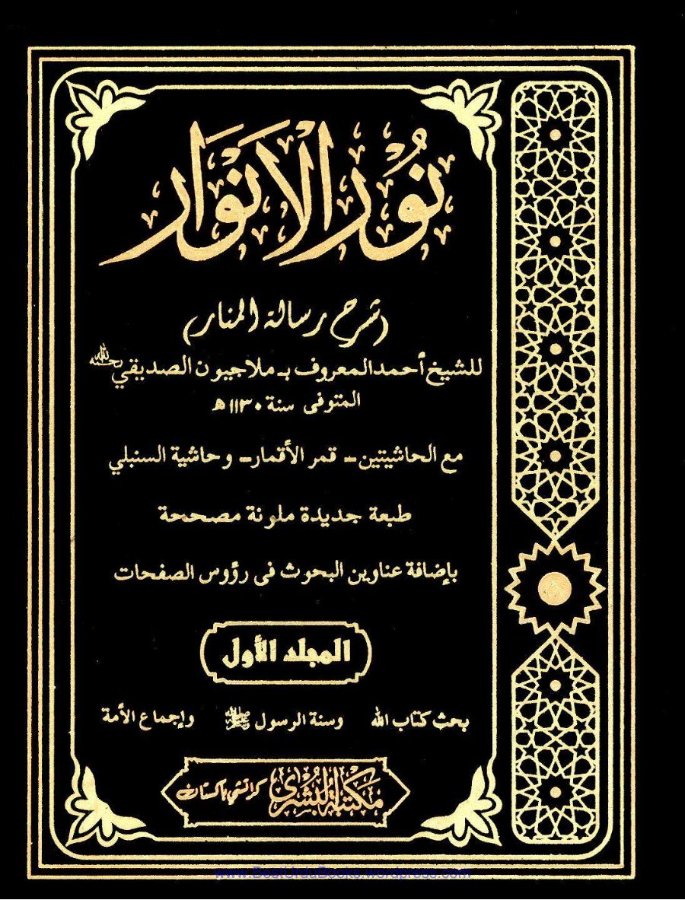
Usul al-Fiqh · Alimiyyah
Nur al-Anwar (Sharh al-Manar)
نور الأنوار شرح المنار
Nur al-Anwar (Sharh al-Manar) is an Usul al-Fiqh kitab on the Alimiyyah shelf of the Labbaik Library, split into the 77 sections teachers track it by. Add it to a class in one tap and see where every class and student is in it, section by section.
- Publisher
- Maktabat al-Bushra, Karachi, 1st edition (1429 AH / 2008)
- Sections
- 77
- Pages
- 635
- Volumes
- 2
Contents of Nur al-Anwar (Sharh al-Manar)
The 77 sections teachers mark progress against, in order, with their English names and the printed page numbers.
- Volume 1
- 1مقدمةIntroductionpp. 5–12
- 2تعريف أصول الفقه وغايته وموضوعهDefinition of Usul al-Fiqh, its purpose and subject matterpp. 13–15
- 3نظائر القياس المستنبطة من الأدلة الثلاثةAnalogies derived from the three sources of evidencepp. 16–19
- 4تعريف كتاب اللهDefinition of the Book of Allahpp. 20–27
- 5تقسيمات اللفظ بالنسبة إلى المعنىDivisions of the word in relation to meaningpp. 28–36
- 6تعريف الخاص وأقسامه وحكمهThe Khass (specific): definition, types and rulingpp. 37–65
- 7تعريف الأمر وموجبهThe Amr (command): definition and its implicationspp. 66–123
- 8بيان حسن المأمور به وأنواعه والقدرة وحكم الوقتGoodness of the commanded act, types, capability and ruling of timepp. 124–168
- 9بحث النهي وأقسام القبحThe Nahy (prohibition) and types of uglinesspp. 169–186
- 10تعريف العام وحكمهThe 'Amm (general): definition and rulingpp. 187–233
- 11بيان المشترك وحكمهThe Mushtarak (homonym) and its rulingpp. 234–238
- 12تعريف المؤول وحكمهThe Mu'awwal (interpreted) and its rulingpp. 239–240
- 13التقسيم الثاني: الظاهر والنص والمفسر والمحكم وأضدادهاSecond division: Zahir, Nass, Mufassar, Muhkam and their oppositespp. 241–263
- 14التقسيم الثالث: الحقيقة والمجازThird division: Haqiqah and Majazpp. 264–322
- 15بحث حروف العطفThe conjunction particlespp. 323–369
- 16بحث حروف الجرThe prepositionspp. 370–387
- 17بحث أسماء الظروفAdverbial nounspp. 388–390
- 18بحث حروف الشرطThe conditional particlespp. 391–401
- 19بيان جمع المذكر وجمع المؤنثMasculine and feminine pluralspp. 402–403
- 20تعريف الصريح والكنايةSarih (explicit) and Kinayah (implicit)pp. 404–411
- 21عبارة النص وإشارته ودلالته واقتضائهIbarat, Isharat, Dalalat and Iqtida' al-Nasspp. 412–435
- 22فصل في ذكر الوجوه الفاسدةChapter on invalid methodspp. 436–468
- 23فصل في الأحكام المشروعة: العزيمة والرخصةChapter on legislated rulings: 'Azimah and Rukhsahpp. 469–491
- 24فصل في الأسباب والأحكام والعقوباتChapter on causes, rulings and punishmentspp. 492–497
- 25باب أقسام السنة: التقسيم الأول (المتواتر والمشهور والآحاد وشرائط الراوي)Types of Sunnah: first division (Mutawatir, Mashhur, Ahad, narrator's conditions)pp. 498–519
- 26التقسيم الثاني: الحديث المرسلSecond division: the Mursal hadithpp. 520–530
- 27التقسيم الثالثThird divisionpp. 531–535
- 28التقسيم الرابع وبيان طعن يلحق الحديثFourth division and criticisms of a hadithpp. 536–550
- 29فصل في التعارضChapter on conflicting evidencespp. 551–571
- 30فصل في أقسام البيان والنسخChapter on types of Bayan and abrogationpp. 572–603
- 31فصل في أفعال النبي ﷺ وأقسام الوحي والشرائع السابقةActions of the Prophet, types of revelation, previous lawspp. 604–614
- 32بيان تقليد الصحابي والتابعيFollowing a Companion and a Tabi'ipp. 615–620
- 33باب الإجماعChapter on Ijma' (consensus)pp. 621–635
- Volume 2
- 34باب القياس: تعريف القياس وحكمهChapter on Qiyas: Definition and ruling of Qiyaspp. 3–27
- 35بيان ركن القياسThe pillar of Qiyaspp. 28–29
- 36بيان علة القياسThe 'illah of Qiyaspp. 30–37
- 37بيان استصحاب الحالIstishab al-Halpp. 38–40
- 38بيان عدم صلاحية تعارض الأشباه للتعليلConflicting resemblances are unfit for ta'lilpp. 41–42
- 39بيان عدم صلاحية الوصف المختلف فيه للتعليلA disputed attribute is unfit for ta'lilp. 43
- 40بيان عدم صلاحية الوصف الذي لا شك..Unfitness of the attribute about which there is no doubtpp. 44–45
- 41بيان أقسام ما ثبت بالتعليلCategories of what is established by ta'lilpp. 46–48
- 42تعدية حكم النص إلى ما لا نص فيهExtending the ruling of a text to a case with no textpp. 49–51
- 43بيان الاستحسانIstihsanpp. 52–58
- 44بيان شرط الاجتهادConditions of Ijtihadp. 59
- 45بيان حكم الاجتهادRuling of Ijtihadpp. 60–63
- 46بيان تخصيص العلة المستنبطةSpecification of the derived 'illahpp. 64–65
- 47بيان أقسام موانع الحكم مع وجود العلةCategories of obstacles to a ruling despite the 'illahpp. 66–67
- 48بيان آداب المناظرةEtiquette of debatep. 68
- 49بيان أقسام الممانعةCategories of mumana'ah (objection)pp. 69–72
- 50بيان المناقضةMunaqadah (contradiction)pp. 73–78
- 51بيان المعارضةMu'aradah (counter-argument)pp. 79–90
- 52صحة كل الكلام في أصل وضعهValidity of all speech in its original usagep. 91
- 53بيان دفع المعارضةRepelling the counter-argumentpp. 92–94
- 54بيان وجوه الترجيحAspects of preference (tarjih)pp. 95–97
- 55بيان حكم تعارض الترجيحينRuling on conflict between two preferencespp. 98–99
- 56بيان الترجيحات الفاسدةInvalid preferencespp. 100–104
- 57فصل في الأحكامSection on rulingsp. 105
- 58بيان أقسام الأحكامCategories of rulingspp. 106–107
- 59بيان أقسام حقوق اللهCategories of the rights of Allahpp. 108–114
- 60بيان السبب وأقسامهThe cause (sabab) and its categoriespp. 115–122
- 61بيان علة الأحكام وأقسامهاThe 'illah of rulings and its categoriespp. 123–130
- 62قيام سبب الدليل مقام المدلولThe evidence's cause standing in for the indicatedpp. 131–134
- 63بيان شرط الحكمThe condition of a rulingpp. 135–141
- 64فصل في بيان الأهليةSection on legal capacity (ahliyyah)pp. 142–146
- 65بيان الأهلية ونوعيهاAhliyyah and its two typespp. 147–154
- 66بيان الأمور المعترضة على الأهليةFactors affecting ahliyyahp. 155
- 67بيان العوارض السماويةHeavenly impedimentspp. 156–157
- 68بيان الجنونInsanitypp. 158–159
- 69بيان العته بعد البلوغImbecility after pubertypp. 160–162
- 70بيان النومSleeppp. 163–172
- 71بيان المرضIllnesspp. 173–182
- 72بيان الأمور المعترضة المكتسبة وبيان الجهل وأنواعهAcquired impediments; ignorance and its typespp. 183–190
- 73تعريف الهزل وشرطهDefinition and condition of jesting (hazl)pp. 191–202
- 74تعريف السفه وحكمهDefinition and ruling of foolishness (safah)pp. 203–204
- 75تعريف السفر وحكمهDefinition and ruling of travel (safar)pp. 205–208
- 76بيان الإكراه وأقسامهCoercion (ikrah) and its categoriespp. 209–213
- 77بيان أنواع حرمات المكره بهTypes of prohibitions under coercionpp. 214–217
Only the cover and this outline are shared, never the kitab’s contents. All credit belongs to its author and publisher.
Tracking Nur al-Anwar (Sharh al-Manar) in Labbaik
- Add it to a class. Pick it from the Library in one tap. Its sections come with it, so nobody types out a contents page.
- Mark progress as you teach. The ustadh marks each section as the class reaches it, and can mark any student who is ahead or behind.
- See where everyone is. The principal sees every year group's place in every kitab, and adult students see their own progress in the portal.
More on running an Alimiyyah programme: Labbaik for Darul Ulooms and Islamic institutes, the Dars-e-Nizami syllabus year by year, and the guide to Darul Uloom software.
More Usul al-Fiqh kitabs in the Library
- At-Tawdih ma'at-Talwih · التوضيح مع التلويح
- Mabadi al-Usul · مبادئ الأصول
- Muntakhab al-Husami with its commentary an-Nami · منتخب الحسامي مع شرحه النامي
- Usul ash-Shashi · أصول الشاشي