Hadith · Alimiyyah
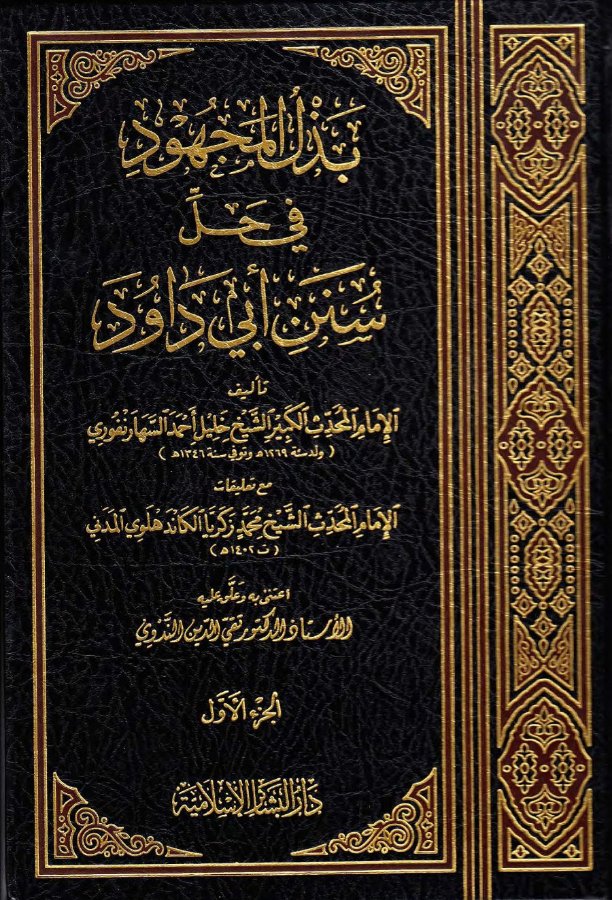
Badhl al-Majhud fi Hall Sunan Abi Dawud
بذل المجهود في حل سنن أبي داود
Badhl al-Majhud fi Hall Sunan Abi Dawud is a Hadith kitab on the Alimiyyah shelf of the Labbaik Library, split into the 387 sections teachers track it by. Add it to a class in one tap and see where every class and student is in it, section by section.
- Publisher
- Dar al-Bashair al-Islamiyyah, 1st edition (1427 AH / 2006)
- Sections
- 387
- Pages
- 714
- Volumes
- 14
Contents of Badhl al-Majhud fi Hall Sunan Abi Dawud
The 387 sections teachers mark progress against, in order, with their English names and the printed page numbers.
- Volume 1
- 1مقدمة المحققIntroduction by the editorpp. 5–14
- 2تقديم سماحة الشيخ السيد محمد الرابع الحسني الندويForeword by Sayyid Muhammad ar-Rabi' al-Hasani an-Nadwipp. 15–22
- 3تقديم الكتاب بقلم الشيخ أبي الحسن علي الحسني الندويForeword by Shaykh Abul Hasan Ali al-Hasani an-Nadwipp. 23–40
- 4خصائص هذا الشرحFeatures of this commentarypp. 41–46
- 5تقديم الكتاب بقلم الشيخ محمد يوسف البنوريForeword by Shaykh Muhammad Yusuf al-Banurip. 47
- 6كلمة عن أبي داود وكتابهA word on Abu Dawud and his bookpp. 48–53
- 7كلمة عن الشارح وكتابهA word on the commentator and his bookpp. 54–64
- 8ترجمة مؤلف بذل المجهود من «نزهة الخواطر»Biography of the author from Nuzhat al-Khawatirpp. 65–69
- 9ترجمة المؤلف السهارنفوري بقلم أحد كبار العلماءBiography of Saharanpuri by a senior scholarpp. 70–84
- 10أبو داود: الإمام الحافظ الفقيهAbu Dawud: the Imam, Hafiz and Faqihpp. 85–108
- 11«سنن أبي داود»: تأليفه ومكانته وخصائصهSunan Abi Dawud: its composition, status and featurespp. 109–150
- 12مقدمة «بذل المجهود» بقلم المؤلفAuthor's introduction to Badhl al-Majhudpp. 151–163
- 13(1) كتاب الطهارة — (1) باب التخلي عند قضاء الحاجةKitab at-Taharah — Bab 1: Relieving oneselfpp. 164–169
- 14(2) باب الرجل يتبوّأ لبولهBab 2: Choosing a place for urinatingpp. 170–173
- 15(3) باب ما يقول الرجل إذا دخل الخلاء؟Bab 3: What to say when entering the toiletpp. 174–180
- 16(4) باب كراهية استقبال القبلة عند قضاء الحاجةBab 4: Facing the qiblah when relieving oneselfpp. 181–201
- 17(5) باب الرخصة في ذلكBab 5: Concession in thatpp. 202–207
- 18(6) باب كيف التكشف عند الحاجة؟Bab 6: How to uncover oneselfpp. 208–211
- 19(7) باب كراهية الكلام عند الخلاءBab 7: Disliking speech in the toiletpp. 212–217
- 20(8) باب في الرجل يرد السلام وهو يبولBab 8: Returning salam while urinatingpp. 218–224
- 21(9) باب في الرجل يذكر الله تعالى على غير طهرBab 9: Mentioning Allah without puritypp. 225–227
- 22(10) باب الخاتم يكون فيه ذكر الله تعالى يدخل به الخلاءBab 10: Entering the toilet with a ring bearing Allah's namepp. 228–232
- 23(11) باب الاستبراء من البولBab 11: Cleansing oneself after urinationpp. 233–244
- 24(12) باب البول قائماًBab 12: Urinating standingpp. 245–248
- 25(13) باب في الرجل يبول بالليل في الإناء ثم يضعه عندهBab 13: Urinating in a vessel at nightpp. 249–251
- 26(14) باب المواضع التي نهي عن البول فيهاBab 14: Places where urinating is prohibitedpp. 252–255
- 27(15) باب في البول في المستحمBab 15: Urinating in the bathing placepp. 256–261
- 28(16) باب النهي عن البول في الجحرBab 16: Prohibition of urinating in a holepp. 262–263
- 29(17) باب ما يقول الرجل إذا خرج من الخلاءBab 17: What to say when leaving the toiletpp. 264–265
- 30(18) باب كراهية مس الذكر باليمين في الاستبراءBab 18: Touching the private part with the right handpp. 266–274
- 31(19) باب في الاستتار في الخلاءBab 19: Screening oneself in the toiletpp. 275–282
- 32(20) باب ما ينهى عنه أن يستنجى بهBab 20: What is prohibited for istinjapp. 283–292
- 33(21) باب الاستنجاء بالأحجارBab 21: Istinja with stonespp. 293–297
- 34(22) باب في الاستبراءBab 22: Istibrapp. 298–301
- 35(23) باب في الاستنجاء بالماءBab 23: Istinja with waterpp. 302–306
- 36(24) باب الرجل يدلك يده بالأرض إذا استنجىBab 24: Rubbing the hand on the ground after istinjapp. 307–312
- 37(25) باب السواكBab 25: The siwakpp. 313–324
- 38(26) باب كيف يستاكBab 26: How to use the siwakpp. 325–327
- 39(27) باب في الرجل يستاك بسواك غيرهBab 27: Using another's siwakpp. 328–330
- 40(28) باب غسل السواكBab 28: Washing the siwakpp. 331–332
- 41(29) باب السواك من الفطرةBab 29: The siwak is from the fitrahpp. 333–347
- 42(30) باب السواك لمن قام بالليلBab 30: Siwak for one who rises at nightpp. 348–356
- 43(31) باب فرض الوضوءBab 31: The obligation of wudupp. 357–372
- 44(32) باب الرجل يجدد الوضوء من غير حدثBab 32: Renewing wudu without hadathpp. 373–375
- 45(33) باب ما ينجس الماءBab 33: What makes water impurepp. 376–387
- 46(34) باب ما جاء في بئر بضاعةBab 34: The well of Buda'ahpp. 388–396
- 47(35) باب الماء لا يجنبBab 35: Water does not become junubpp. 397–400
- 48(36) باب البول في الماء الراكدBab 36: Urinating in stagnant waterpp. 401–406
- 49(37) باب الوضوء بسؤر الكلبBab 37: Wudu with the dog's leftover waterpp. 407–419
- 50(38) باب سؤر الهرةBab 38: The cat's leftover waterpp. 420–430
- 51(39) باب الوضوء بفضل طهور المرأةBab 39: Wudu with a woman's leftover waterpp. 431–437
- 52(40) باب النهي عن ذلكBab 40: Prohibition of thatpp. 438–442
- 53(41) باب الوضوء بماء البحرBab 41: Wudu with sea waterpp. 443–448
- 54(42) باب الوضوء بالنبيذBab 42: Wudu with nabidhpp. 449–461
- 55(43) باب أيصلي الرجل وهو حاقن؟Bab 43: Praying while needing to relieve oneselfpp. 462–474
- 56(44) باب ما يجزىء من الماء في الوضوءBab 44: How much water suffices for wudupp. 475–484
- 57(45) باب في الإسراف في الوضوءBab 45: Extravagance in wudupp. 485–488
- 58(46) باب في الإسباغ في الوضوءBab 46: Perfecting wudupp. 489–490
- 59(47) باب الوضوء في آنية الصفرBab 47: Wudu in brass vesselspp. 491–495
- 60(48) باب في التسمية على الوضوءBab 48: Saying Bismillah at wudupp. 496–500
- 61(49) باب في الرجل يدخل يده في الإناء قبل أن يغسلهاBab 49: Putting the hand in the vessel before washing itpp. 501–504
- 62(50) باب يُحَرِّك يده في الإناء قبل أن يغسلهاBab 50: Moving the hand in the vessel before washing itpp. 505–506
- 63(51) باب صفة وضوء النبي ﷺBab 51: Description of the Prophet's wudupp. 507–591
- 64(52) باب الوضوء ثلاثاً ثلاثاًBab 52: Wudu three times eachpp. 592–597
- 65(53) باب في الوضوء مرتينBab 53: Wudu twicepp. 598–605
- 66(54) باب الوضوء مرة مرةBab 54: Wudu oncep. 606
- 67(55) باب في الفرق بين المضمضة والاستنشاقBab 55: Difference between rinsing the mouth and sniffing waterp. 607
- 68(56) باب في الاستنثارBab 56: Blowing out the nosepp. 608–622
- 69(57) باب تخليل اللحيةBab 57: Combing the beard with fingerspp. 623–624
- 70(58) باب المسح على العمامةBab 58: Wiping over the turbanpp. 625–631
- 71(59) باب غسل الرجلBab 59: Washing the feetpp. 632–636
- 72(60) باب المسح على الخفينBab 60: Wiping over the khuffspp. 637–660
- 73(61) باب التوقيت في المسح؟Bab 61: Time limit for wipingpp. 661–672
- 74(62) باب المسح على الجوربينBab 62: Wiping over sockspp. 673–678
- 75(63) بابBab 63pp. 679–684
- 76(64) باب كيف المسح؟Bab 64: How to wipepp. 685–698
- Volume 2
- 77(65) باب في الانتضاحChapter 65: Sprinkling water after wudupp. 5–10
- 78(66) باب ما يقول إذا توضأChapter 66: What one says after wudupp. 11–19
- 79(67) باب الرجل يصلي الصلوات بوضوء واحدChapter 67: Praying several prayers with one wudupp. 20–24
- 80(68) باب في تفريق الوضوءChapter 68: Interrupting wudupp. 25–32
- 81(69) باب إذا شك في الحدثChapter 69: Doubt about breaking wudupp. 33–38
- 82(70) باب الوضوء من القبلةChapter 70: Wudu after kissingpp. 39–52
- 83(71) باب الوضوء من مس الذكرChapter 71: Wudu after touching the private partpp. 53–57
- 84(72) باب الرخصة في ذلكChapter 72: The concession regarding thatpp. 58–63
- 85(73) باب الوضوء من لحوم الإبلChapter 73: Wudu after eating camel meatpp. 64–72
- 86(74) باب الوضوء من مس اللحم النيء وغسلهChapter 74: Wudu after touching raw meat and washing itpp. 73–77
- 87(75) باب في ترك الوضوء من مس الميتةChapter 75: Not repeating wudu after touching carrionpp. 78–81
- 88(76) باب في ترك الوضوء مما مست النارChapter 76: Not repeating wudu after eating cooked foodpp. 82–94
- 89(77) باب التشديد في ذلكChapter 77: Strictness regarding thatpp. 95–99
- 90(78) باب الوضوء من اللبنChapter 78: Wudu after drinking milkpp. 100–103
- 91(79) باب الرخصة في ذلكChapter 79: The concession regarding thatpp. 104–105
- 92(80) باب الوضوء من الدمChapter 80: Wudu after bleedingpp. 106–125
- 93(81) باب الوضوء من النومChapter 81: Wudu after sleepingpp. 126–140
- 94(82) باب في الرجل يطأ الأذى برجلهChapter 82: Stepping on filthpp. 141–144
- 95(83) باب فيمن يحدث في الصلاةChapter 83: One who breaks wudu during prayerp. 145
- 96(84) باب في المذيChapter 84: Pre-seminal fluid (madhy)pp. 146–172
- 97(85) باب في الإكسالChapter 85: Intercourse without ejaculationpp. 173–179
- 98(86) باب في الجنب يعودChapter 86: The junub returning to intercoursepp. 180–183
- 99(87) باب الوضوء لمن أراد أن يعودChapter 87: Wudu before returning to intercoursepp. 184–186
- 100(88) باب في الجنب ينامChapter 88: The junub sleepingpp. 187–188
- 101(89) باب الجنب يأكلChapter 89: The junub eatingpp. 189–190
- 102(90) باب من قال: الجنب يتوضأChapter 90: Those who said the junub performs wudupp. 191–201
- 103(91) باب في الجنب يؤخر الغسلChapter 91: The junub delaying ghuslpp. 202–207
- 104(92) باب في الجنب يقرأ القرآنChapter 92: The junub reciting the Quranpp. 208–209
- 105(93) باب في الجنب يصافحChapter 93: The junub shaking handspp. 210–212
- 106(94) باب في الجنب يدخل المسجدChapter 94: The junub entering the mosquepp. 213–217
- 107(95) باب في الجنب يصلي بالقوم وهو ناسChapter 95: The junub leading prayer forgetfullypp. 218–230
- 108(96) باب في الرجل يجد البلة في منامهChapter 96: Finding wetness after sleeppp. 231–233
- 109(97) باب في المرأة ترى ما يرى الرجلChapter 97: A woman seeing what a man sees (wet dream)pp. 234–240
- 110(98) باب في مقدار الماء الذي يجزىء به الغسلChapter 98: Amount of water sufficient for ghuslpp. 241–249
- 111(99) باب في الغسل من الجنابةChapter 99: Ghusl from janabahpp. 250–274
- 112(100) باب في الوضوء بعد الغسلChapter 100: Wudu after ghuslp. 275
- 113(101) باب في المرأة هل تنقض شعرها عند الغسل؟Chapter 101: Whether a woman undoes her hair for ghuslpp. 276–285
- 114(102) باب في الجنب يغسل رأسه بالخطميChapter 102: The junub washing his head with khatmipp. 286–289
- 115(103) باب فيما يفيض بين الرجل والمرأة من الماءChapter 103: Water left over between man and womanp. 290
- 116(104) باب في مؤاكلة الحائض ومجامعتهاChapter 104: Eating and sitting with a menstruating womanpp. 291–296
- 117(105) باب في الحائض تناول من المسجدChapter 105: A menstruating woman reaching things from the mosquepp. 297–299
- 118(106) باب في الحائض لا تقضي الصلاةChapter 106: A menstruating woman does not make up prayerspp. 300–303
- 119(107) باب في إتيان الحائضChapter 107: Approaching a menstruating womanpp. 304–313
- 120(108) باب في الرجل يصيب منها ما دون الجماعChapter 108: Intimacy short of intercourse with a menstruating womanpp. 314–326
- 121(109) باب في المرأة تستحاض، ومن قال: تدع الصلاة في عدة الأيام التي كانت تحيضChapter 109: The woman with istihadahpp. 327–354
- 122(110) باب من قال: إذا أقبلت الحيضة تدع الصلاةChapter 110: When menstruation comes she leaves prayerpp. 355–382
- 123(111) باب ما روي أن المستحاضة تغتسل لكل صلاةChapter 111: Istihadah woman performing ghusl for every prayerpp. 383–396
- 124(112) باب من قال: تجمع بين الصلاتين وتغتسل لهما غسلاًChapter 112: Combining two prayers with one ghuslpp. 397–402
- 125(113) باب من قال: تغتسل من طهر إلى طهرChapter 113: Ghusl from one purity to the nextpp. 403–420
- 126(114) باب: المستحاضة تغتسل من ظهر إلى ظهرChapter 114: Ghusl from one Zuhr to the nextpp. 421–426
- 127(115) باب من قال: تغتسل كل يوم مرة ولم يقل: عند الظهرChapter 115: Ghusl once dailyp. 427
- 128(116) باب من قال: تغتسل بين الأيامChapter 116: Ghusl between daysp. 428
- 129(117) باب من قال: توضأ لكل صلاةChapter 117: Wudu for every prayerpp. 428–430
- 130(118) باب من لم يذكر الوضوء إلا عند الحدثChapter 118: Wudu only upon breaking itpp. 431–432
- 131(119) باب في المرأة ترى الصفرة والكدرة بعد الطهرChapter 119: Yellowish discharge after puritypp. 433–435
- 132(120) باب المستحاضة يغشاها زوجهاChapter 120: Husband approaching the istihadah womanpp. 436–438
- 133(121) باب ما جاء في وقت النفساءChapter 121: Duration of post-natal bleedingpp. 439–445
- 134(122) باب الاغتسال من الحيضChapter 122: Ghusl after menstruationpp. 446–455
- 135(123) باب التيممChapter 123: Tayammumpp. 456–506
- 136(124) باب التيمم في الحضرChapter 124: Tayammum when residentpp. 507–515
- 137(125) باب الجنب يتيممChapter 125: The junub performing tayammumpp. 516–525
- 138(126) باب إذا خاف الجنب البرد أيتيمم؟Chapter 126: Junub fearing cold – may he perform tayammum?pp. 526–532
- 139(127) باب في المجروح يتيممChapter 127: The wounded person performing tayammumpp. 533–539
- 140(128) باب في المتيمم يجد الماء بعدما يصلي في الوقتChapter 128: Finding water after praying with tayammumpp. 540–544
- 141(129) باب في الغسل للجمعةChapter 129: Ghusl for Jumuahpp. 545–566
- 142(130) باب في الرخصة في ترك الغسل يوم الجمعةChapter 130: Concession in leaving ghusl on Fridaypp. 567–570
- 143(131) باب في الرجل يسلم فيؤمر بالغسلChapter 131: A man who accepts Islam is ordered to bathepp. 571–576
- 144(132) باب المرأة تغسل ثوبها الذي تلبسه في حيضهاChapter 132: Woman washing the garment worn during menstruationpp. 577–586
- 145(133) باب الصلاة في الثوب الذي يصيب أهله فيهChapter 133: Praying in the garment worn during intercoursepp. 587–588
- 146(134) باب الصلاة في شعر النساءChapter 134: Praying in women's hair/garmentspp. 589–591
- 147(135) باب الرخصة في ذلكChapter 135: The concession regarding thatpp. 592–593
- 148(136) باب المني يصيب الثوبChapter 136: Semen on the garmentpp. 594–599
- 149(137) باب بول الصبي يصيب الثوبChapter 137: A boy's urine on the garmentpp. 600–609
- 150(138) باب الأرض يصيبها البولChapter 138: Ground touched by urinepp. 610–618
- 151(139) باب في طهور الأرض إذا يبستChapter 139: Purification of dried groundpp. 619–620
- 152(140) باب في الأذى يصيب الذيلChapter 140: Filth touching the hemp. 621
- 153(141) باب في الأذى يصيب النعلChapter 141: Filth touching the shoepp. 622–627
- 154(142) باب الإعادة من النجاسة تكون في الثوبChapter 142: Repeating prayer due to impurity on the garmentpp. 628–630
- 155(143) باب في البزاق يصيب الثوبChapter 143: Spittle on the garmentpp. 631–634
- Volume 3
- 156كتاب الصلاة (١–١٠): أول كتاب الصلاة وأبواب المواقيتKitab as-Salah, Babs 1–10: Beginning and prayer timespp. 5–120
- 157(١١) باب فيمن نام عن صلاة أو نسيهاBab 11: One who sleeps through or forgets a prayerpp. 121–154
- 158أبواب المسجد (١٢–٢٧)Babs 12–27: Rulings of the mosquepp. 155–242
- 159أبواب الأذان والإقامة (٢٨–٤٥)Babs 28–45: Adhan and Iqamahpp. 243–362
- 160أبواب الجماعة والمشي إلى الصلاة (٤٦–٥٦)Babs 46–56: Congregation and walking to prayerpp. 363–436
- 161أبواب الإمامة (٥٧–٧٢)Babs 57–72: Leading the prayer (Imamah)pp. 437–534
- 162أبواب ما يتعلق بالإمام والمأموم (٧٣–٨٠)Babs 73–80: Imam and follower, clothing beginspp. 535–561
- 163أبواب اللباس والموضع في الصلاة (٨١–٩٥)Babs 81–95: Clothing and place of prayerpp. 562–606
- 164أبواب الصفوف (٩٦–١٠٦)Babs 96–106: Rows (Sufuf)pp. 607–644
- 165أبواب السترة وما يقطع الصلاة (١٠٧–١١٧)Babs 107–117: Sutrah and what interrupts prayerpp. 645–687
- Volume 4
- 166(118) باب رفع اليدين (مع أدلة القائلين بالرفع والمانعين عنه)Bab 118: Raising the handspp. 5–60
- 167(119) باب افتتاح الصلاةBab 119: Opening the prayerpp. 61–88
- 168(120–122) باب من ذكر أنه رفع يديه إذا قام من ثنتين – ... – باب وضع اليمنى على اليسرىBabs 120–122: Raising hands on standing from two rak'ahs; not raising at ruku'; placing right hand on leftpp. 89–115
- 169(123–127) باب ما يستفتح به الصلاة من الدعاء – ... – باب ما جاء من جهر بهاBabs 123–127: Opening supplications, Subhanaka, silence, and Bismillahpp. 116–177
- 170(128–138) باب تخفيف الصلاة للأمر يحدث – ... – باب من ترك القراءة في صلاتهBabs 128–138: Shortening prayer, recitation in each prayerpp. 178–247
- 171(139–142) باب من كره القراءة بفاتحة الكتاب إذا جهر الإمام – ... – باب تمام التكبيرBabs 139–142: Recitation behind the imam, completing the takbirpp. 248–275
- 172(143–150) باب كيف يضع ركبتيه قبل يديه – ... – باب صلاة من لا يقيم صلبه في الركوع والسجودBabs 143–150: Rising, sitting between prostrations, du'a, tuma'ninahpp. 276–331
- 173(151–157) باب قول النبي ﷺ: كل صلاة لا يتمها صاحبها تتم من تطوعه – ... – باب الرجل يدرك الإمام ساجداًBabs 151–157: Ruku' and sujud, their dhikr and measurepp. 332–365
- 174(158–167) باب في أعضاء السجود – ... – باب الالتفات في الصلاةBabs 158–167: Limbs of sujud, crying, waswasah, correcting the imam, turningpp. 366–389
- 175(168–173) باب السجود على الأنف – ... – باب في تشميت العاطس في الصلاةBabs 168–173: Sujud on the nose, looking, movement, returning greetings, sneezing in prayerpp. 390–431
- 176(174–179) باب التأمين وراء الإمام – ... – باب الرجل يعتمد في الصلاة على عصاBabs 174–179: Amin, clapping, gesturing, leaning on a staffpp. 432–474
- 177(180–184) باب النهي عن الكلام في الصلاة – ... – باب التشهدBabs 180–184: Speaking in prayer, sitting prayer, jalsah, tawarruk, tashahhudpp. 475–526
- 178(185–191) باب الصلاة على النبي ﷺ بعد التشهد – ... – باب في السلامBabs 185–191: Salawat after tashahhud, post-tashahhud, pointing, taslimpp. 527–575
- 179(192–197) باب الرد على الإمام – ... – باب السهو في السجدتينBabs 192–197: Replying to the imam, takbir after prayer, hadath, sajdat as-sahwpp. 576–627
- 180(198–203) باب إذا صلى خمساً – ... – باب من نسي أن يتشهد وهو جالسBabs 198–203: Prostrations of forgetfulness, doubt in prayerpp. 628–672
- 181(204–208) باب سجدتي السهو فيهما تشهد وتسليم – ... – باب من صلى لغير القبلة ثم علمBabs 204–208: Tashahhud in sahw, leaving prayer, voluntary prayer at home, praying away from qiblahpp. 673–683
- Volume 5
- 182(٢٠٩–٢٤٦) تفريع أبواب الجمعةAbwab al-Jumu'ah (Chapters 209–246)pp. 5–199
- 183(٢٤٧–٢٥٩) صلاة العيدينSalat al-Eidayn (Chapters 247–259)pp. 200–256
- 184(٢٦٠–٢٦١) جماع أبواب صلاة الاستسقاءSalat al-Istisqa (Chapters 260–261)pp. 257–287
- 185(٢٦٢–٢٦٨) صلاة الكسوفSalat al-Kusuf (Chapters 262–268)pp. 288–325
- 186(٢٦٩) باب الصلاة عند الظلمة ونحوهاPrayer during darkness and the like (Chapter 269)pp. 326–327
- 187(٢٧٠) باب السجود عند الآياتSujud at signs (Chapter 270)pp. 328–329
- 188(٢٧١–٢٨١) تفريع أبواب صلاة المسافرAbwab Salat al-Musafir (Chapters 271–281)pp. 330–397
- 189(٢٨٢–٢٨٩) باب صلاة الخوفSalat al-Khawf (Chapters 282–289)pp. 398–444
- 190(٢٩٠) باب صلاة الطالبPrayer of the pursuer (Chapter 290)pp. 445–448
- 191(٢٩١–٣٠٦) تفريع أبواب التطوع وركعات السنةAbwab at-Tatawwu' and Sunan rak'ahs (Chapters 291–306)pp. 449–543
- 192(٣٠٧–٣١٨) أبواب قيام الليلQiyam al-Layl (Chapters 307–318)pp. 544–635
- Volume 6
- 193تفريع أبواب شهر رمضان: قيام رمضان وليلة القدر (٣١٩–٣٢٥)Ramadan nights: Qiyam Ramadan and Laylat al-Qadr (Chapters 319–325)pp. 5–40
- 194قراءة القرآن وتحزيبه وعدد الآي (٣٢٦–٣٢٨)Recitation, division and verse count of the Quran (Chapters 326–328)pp. 41–59
- 195تفريع أبواب السجود (٣٢٩–٣٣٦)Prostrations of the Quran (Chapters 329–336)pp. 60–86
- 196تفريع أبواب الوتر (٣٣٧–٣٤٦)Witr prayer (Chapters 337–346)pp. 87–150
- 197فضل التطوع وقيام الليل وثواب قراءة القرآن (٣٤٧–٣٥٨)Voluntary prayer, night prayer and Quran recitation (Chapters 347–358)pp. 151–199
- 198الدعاء والذكر والاستغفار والاستعاذة (٣٥٩–٣٦٨)Supplication, dhikr, istighfar and isti'adhah (Chapters 359–368)pp. 200–297
- 199كتاب الزكاة: ما تجب فيه الزكاة والعروض والكنز (١–٣)Book of Zakah: what zakah is due on, trade goods, treasure (1–3)pp. 298–328
- 200زكاة السائمة وزكاة الإبل (٤)Zakah on grazing livestock and camels (4)pp. 329–390
- 201رضى المصدق ودعاؤه وأسنان الإبل وصدقة الزرع (٥–١١)Zakah collectors, camel ages, crops (5–11)pp. 391–412
- 202زكاة العسل والخرص والثمار (١٢–١٦)Zakah on honey, estimation of grapes and dates (12–16)pp. 413–429
- 203زكاة الفطر (١٧–٢٠)Zakat al-Fitr (17–20)pp. 430–454
- 204تعجيل الزكاة ومصارفها والمسألة (٢١–٢٧)Advance payment, recipients of zakah and begging (21–27)pp. 455–503
- 205الصدقة على بني هاشم وحقوق المال والمسألة (٢٨–٣٩)Sadaqah to Banu Hashim, rights on wealth, asking (28–39)pp. 504–540
- 206فضل سقي الماء والمنيحة وصلة الرحم والشح (٤٠–٤٥)Giving water, loans, kinship ties, miserliness (40–45)pp. 541–568
- 207كتاب اللقطة (٤)Book of Luqatah (Lost property)pp. 569–618
- Volume 7
- 208(1) باب فرض الحجKitab al-Manasik, Ch. 1: Obligation of Hajjpp. 5–11
- 209(2) باب في المرأة تحج بغير محرمCh. 2: A woman performing Hajj without a mahrampp. 12–19
- 210(3) باب لا صرورة في الإسلامCh. 3: No celibacy/abstention in Islampp. 20–21
- 211(4) باب التجارة في الحجCh. 4: Trade during Hajjpp. 22–23
- 212(5) بابCh. 5: Untitled chapterpp. 24–25
- 213(6) باب الكريCh. 6: Hiring (mounts)pp. 26–30
- 214(7) باب في الصبي يحجCh. 7: A child performing Hajjpp. 31–33
- 215(8) باب في المواقيتCh. 8: The Mawaqitpp. 34–46
- 216(9) باب الحائض تهل بالحجCh. 9: The menstruating woman entering ihram for Hajjpp. 47–50
- 217(10) باب الطيب عند الإحرامCh. 10: Perfume at ihrampp. 51–52
- 218(11) باب التلبيدCh. 11: Matting the hairpp. 53–55
- 219(12) باب في الهديCh. 12: The sacrificial animalpp. 56–57
- 220(13) باب في هدي البقرCh. 13: Sacrificial cattlep. 58
- 221(14) باب في الإشعارCh. 14: Marking the sacrificial animalpp. 59–65
- 222(15) باب تبديل الهديCh. 15: Replacing the sacrificial animalpp. 66–67
- 223(16) باب من بعث بهديه وأقامCh. 16: One who sends his hady and stayspp. 68–70
- 224(17) باب في ركوب البدنCh. 17: Riding the sacrificial camelspp. 71–72
- 225(18) باب في الهدي إذا عطب قبل أن يبلغCh. 18: The hady that falters before arrivingpp. 73–82
- 226(19) باب كيف تنحر البدن؟Ch. 19: How camels are slaughteredpp. 83–86
- 227(20) باب في وقت الإحرامCh. 20: Time of ihrampp. 87–95
- 228(21) باب الاشتراط في الحجCh. 21: Making conditions in Hajjpp. 96–97
- 229(22) باب في إفراد الحجCh. 22: Ifrad Hajjpp. 98–133
- 230(23) باب في الإقرانCh. 23: Qiranpp. 134–152
- 231(24) باب الرجل يحج عن غيرهCh. 24: Performing Hajj on behalf of anotherpp. 153–160
- 232(25) باب كيف التلبيةCh. 25: How to perform the Talbiyahpp. 161–168
- 233(26) باب متى يقطع التلبيةCh. 26: When to stop the Talbiyahpp. 169–170
- 234(27) باب متى يقطع المعتمر التلبيةCh. 27: When the umrah-performer stops the Talbiyahp. 171
- 235(28) باب المحرم يؤدب غلامهCh. 28: The muhrim disciplining his servantpp. 172–174
- 236(29) باب الرجل يحرم في ثيابهCh. 29: A man entering ihram in his clothespp. 175–180
- 237(30) باب ما يلبس المُحرمCh. 30: What the muhrim may wearpp. 181–197
- 238(31) باب المُحرم يحمل السلاحCh. 31: The muhrim carrying weaponsp. 198
- 239(32) باب في المُحرمة تغطي وجههاCh. 32: The muhrimah covering her facepp. 199–200
- 240(33) باب في المُحرم يظللCh. 33: The muhrim taking shadepp. 201–202
- 241(34) باب في المُحرم يحتجمCh. 34: The muhrim undergoing cuppingpp. 203–204
- 242(35) باب يكتحل المُحرمCh. 35: The muhrim applying kohlpp. 205–206
- 243(36) باب المُحرم يغتسلCh. 36: The muhrim bathingpp. 207–209
- 244(37) باب المُحرم يتزوجCh. 37: The muhrim marryingpp. 210–225
- 245(38) باب ما يقتل المُحرم من الدوابCh. 38: Animals the muhrim may killpp. 226–230
- 246(39) باب لحم الصيد للمُحرمCh. 39: Game meat for the muhrimpp. 231–243
- 247(40) باب الجراد للمُحرمCh. 40: Locusts for the muhrimpp. 244–247
- 248(41) باب في الفديةCh. 41: The fidyahpp. 248–256
- 249(42) باب الإحصارCh. 42: Being prevented (Ihsar)pp. 257–264
- 250(43) باب دخول مكةCh. 43: Entering Makkahpp. 265–271
- 251(44) باب في رفع اليد إذا رأى البيتCh. 44: Raising the hands on seeing the Housepp. 272–278
- 252(45) باب في تقبيل الحجرCh. 45: Kissing the Black Stonepp. 279–280
- 253(46) باب استلام الأركانCh. 46: Touching the cornerspp. 281–283
- 254(47) باب الطواف الواجبCh. 47: The obligatory Tawafpp. 284–293
- 255(48) باب الاضطباع في الطوافCh. 48: Idtiba' in Tawafpp. 294–295
- 256(49) باب في الرملCh. 49: Ramalpp. 296–302
- 257(50) باب الدعاء في الطوافCh. 50: Supplication during Tawafpp. 303–304
- 258(51) باب الطواف بعد العصرCh. 51: Tawaf after Asrpp. 305–306
- 259(52) باب طواف القارنCh. 52: Tawaf of the qarinpp. 307–313
- 260(53) باب الملتزمCh. 53: The Multazampp. 314–318
- 261(54) باب أمر الصفا والمروةCh. 54: Safa and Marwapp. 319–324
- 262(55) باب صفة حجة النبي ﷺCh. 55: Description of the Prophet's Hajjpp. 325–365
- 263(56) باب الوقوف بعرفةCh. 56: Standing at Arafahpp. 366–367
- 264(57) باب الخروج إلى منىCh. 57: Going out to Minapp. 368–369
- 265(58) باب الخروج إلى عرفةCh. 58: Going out to Arafahpp. 370–371
- 266(59) باب الرواح إلى عرفةCh. 59: Setting off to Arafahp. 372
- 267(60) باب الخطبة بعرفةCh. 60: The sermon at Arafahpp. 373–377
- 268(61) باب موضع الوقوف بعرفةCh. 61: Place of standing at Arafahpp. 378–380
- 269(62) باب الدفعة من عرفةCh. 62: Departing from Arafahpp. 381–392
- 270(63) باب الصلاة بجمعCh. 63: Prayer at Jam' (Muzdalifah)pp. 393–401
- 271(64) باب التعجيل من جمعCh. 64: Hastening from Jam'pp. 402–410
- 272(65) باب يوم الحج الأكبرCh. 65: The Day of the Greater Hajjpp. 411–413
- 273(66) باب الأشهُر الحُرُمCh. 66: The sacred monthspp. 414–416
- 274(67) باب من لم يدرك عرفةCh. 67: One who misses Arafahpp. 417–421
- 275(68) باب النزول بمنىCh. 68: Staying at Minap. 422
- 276(69) باب أي يوم يخطب بمنىCh. 69: Which day the sermon is given at Minapp. 423–425
- 277(70) باب من قال خطب يوم النحرCh. 70: Who said he gave the sermon on the Day of Sacrificep. 426
- 278(71) باب أي وقت يخطب يوم النحرCh. 71: What time the Day of Sacrifice sermon is givenp. 427
- 279(72) باب ما يذكر الإمام في خطبته بمنىCh. 72: What the imam mentions in his sermon at Minapp. 428–429
- 280(73) باب يبيت بمكة ليالي منىCh. 73: Spending the nights of Mina in Makkahpp. 430–432
- 281(74) باب الصلاة بمنىCh. 74: Prayer at Minapp. 433–437
- 282(75) باب القصر لأهل مكةCh. 75: Shortening prayer for the people of Makkahp. 438
- 283(76) باب في رمي الجمارCh. 76: Stoning the Jamaratpp. 439–452
- 284(77) باب الحلق والتقصيرCh. 77: Shaving and trimmingpp. 453–466
- 285(78) باب العمرةCh. 78: Umrahpp. 467–485
- 286(79) باب المهلة بالعمرة تحيض فيدركها الحج فتنقض عمرتها وتهل بالحج هل تقضي عمرتها؟Ch. 79: The woman in umrah who menstruates and Hajj arrivespp. 486–489
- 287(80) باب المقام في العمرةCh. 80: Staying during umrahp. 490
- 288(81) باب الإفاضة في الحجCh. 81: Ifadah in Hajjpp. 491–497
- 289(82) باب الوداعCh. 82: The farewellp. 498
- 290(83) باب الحائض تخرج بعد الإفاضةCh. 83: The menstruating woman leaving after Ifadahpp. 499–502
- 291(84) باب طواف الوداعCh. 84: Farewell Tawafpp. 503–506
- 292(85) باب التحصيبCh. 85: Tahsibpp. 507–514
- 293(86) باب من قدم شيئاً قبل شيء في حجهCh. 86: One who advances a rite before another in Hajjpp. 515–518
- 294(87) باب في مكةCh. 87: Concerning Makkahpp. 519–521
- 295(88) باب تحريم مكةCh. 88: The sanctity of Makkahpp. 522–530
- 296(89) باب في نبيذ السقايةCh. 89: The nabidh of the water-supplyp. 531
- 297(90) باب الإقامة بمكةCh. 90: Residing in Makkahpp. 532–534
- 298(91) باب الصلاة في الكعبةCh. 91: Prayer inside the Ka'bahpp. 535–544
- 299(92) باب في مال الكعبةCh. 92: The wealth of the Ka'bahpp. 545–548
- 300(93) باب في إتيان المدينةCh. 93: Coming to Madinahpp. 549–551
- 301(94) باب في تحريم المدينةCh. 94: The sanctity of Madinahpp. 552–566
- 302(95) باب زيارة القبورCh. 95: Visiting gravespp. 567–574
- 303كتاب النكاح: بيان اختلاف الفقهاء في وجوب النكاح وغيرهKitab an-Nikah: Jurists' differences on the obligation of marriagepp. 575–577
- 304كتاب النكاح: (1) باب التحريض على النكاحNikah Ch. 1: Encouraging marriagepp. 578–580
- 305كتاب النكاح: (2) باب ما يؤمر به من تزويج ذات الدينNikah Ch. 2: Marrying a religious womanp. 581
- 306كتاب النكاح: (3) باب في تزويج الأبكارNikah Ch. 3: Marrying virginspp. 582–586
- 307كتاب النكاح: (4) باب في قوله تعالى: ﴿الزَّانِي لَا يَنكِحُ إِلَّا زَانِيَةً﴾Nikah Ch. 4: On the verse 'The fornicator does not marry except a fornicatress'pp. 587–593
- 308كتاب النكاح: (5) باب في الرجل يعتق أمته ثم يتزوجهاNikah Ch. 5: A man freeing his slave-girl then marrying herpp. 594–598
- 309كتاب النكاح: (6) باب يحرم من الرضاعة ما يحرم من النسبNikah Ch. 6: Fosterage prohibits what lineage prohibitspp. 599–603
- 310كتاب النكاح: (7) باب في لبن الفحلNikah Ch. 7: The sire's milkpp. 604–606
- 311كتاب النكاح: (8) باب في رضاعة الكبيرNikah Ch. 8: Fosterage of an adultpp. 607–610
- 312كتاب النكاح: (9) باب من حرم بهNikah Ch. 9: Who becomes prohibited through itpp. 611–618
- 313كتاب النكاح: (10) باب هل يحرم ما دون خمس رضعاتNikah Ch. 10: Whether fewer than five suckles prohibitpp. 619–621
- 314كتاب النكاح: (11) باب في الرضخ عند الفصالNikah Ch. 11: Gift at weaningp. 622
- 315كتاب النكاح: (12) باب ما يكره أن يجمع بينهن من النساءNikah Ch. 12: Women it is disliked to combine in marriagepp. 623–636
- 316كتاب النكاح: (13) باب في نكاح المتعةNikah Ch. 13: Temporary marriage (mut'ah)pp. 637–638
- 317كتاب النكاح: (14) باب في الشغارNikah Ch. 14: Shigharpp. 639–641
- 318كتاب النكاح: (15) باب في التحليلNikah Ch. 15: Tahlilpp. 642–645
- 319كتاب النكاح: (16) باب في نكاح العبد بغير إذن مواليهNikah Ch. 16: A slave marrying without his master's permissionpp. 646–648
- 320كتاب النكاح: (17) باب في كراهية أن يخطب الرجل على خطبة أخيهNikah Ch. 17: Disliked to propose over his brother's proposalpp. 649–650
- 321كتاب النكاح: (18) باب الرجل ينظر إلى المرأة وهو يريد تزويجهاNikah Ch. 18: A man looking at a woman he intends to marrypp. 651–653
- 322كتاب النكاح: (19) باب في الوليNikah Ch. 19: The guardian (wali)pp. 654–663
- 323كتاب النكاح: (20) باب في العضلNikah Ch. 20: Preventing marriage ('adl)pp. 664–666
- 324كتاب النكاح: (21) باب إذا أنكح الوليانNikah Ch. 21: When two guardians marry her offpp. 667–668
- 325كتاب النكاح: (22) باب في قوله تعالى: ﴿لَا يَحِلُّ لَكُمْ أَن تَرِثُوا النِّسَاءَ كَرْهًا وَلَا تَعْضُلُوهُنَّ﴾Nikah Ch. 22: On the verse 'It is not lawful for you to inherit women against their will'pp. 669–673
- 326كتاب النكاح: (23) باب في الاستئمارNikah Ch. 23: Seeking consentpp. 674–677
- 327كتاب النكاح: (24) باب في البكر يزوجها أبوها ولا يستأمرهاNikah Ch. 24: A virgin married off by her father without consentpp. 678–680
- 328كتاب النكاح: (25) باب في الثيبNikah Ch. 25: The previously married woman (thayyib)pp. 681–689
- Volume 8
- 329(٦) كتاب النكاح (تتمة: الأبواب ٢٦–٤٩)Kitab an-Nikah (continued: chapters 26–49)pp. 5–130
- 330(٧) كتاب الطلاقKitab at-Talaqpp. 131–422
- 331(٨) كتاب الصيامKitab as-Siyam (including I'tikaf)pp. 423–714
- Volume 9
- 332(9) أول كتاب الجهادBook 9: Kitab al-Jihadpp. 5–527
- 333(10) أول كتاب الضحاياBook 10: Kitab al-Dahaya (Udhiyah)pp. 528–616
- 334(11) كتاب الصيدBook 11: Kitab as-Sayd (Hunting)pp. 617–641
- Volume 10
- 335(١٢) كتاب الوصاياBook 12: Kitab al-Wasaya (Wills)pp. 5–45
- 336(١٣) كتاب الفرائضBook 13: Kitab al-Fara'id (Inheritance)pp. 46–104
- 337(١٤) كتاب الخراج والفيء والإمارةBook 14: Kitab al-Kharaj wa al-Fay' wa al-Imarahpp. 105–340
- 338(١٥) أول كتاب الجنائزBook 15: Kitab al-Janaiz (Funerals), first partpp. 341–534
- 339(١٦) كتاب الأيمان والنذورBook 16: Kitab al-Aiman wa al-Nudhur (Oaths and Vows)pp. 535–624
- Volume 11
- 340(17) كتاب البيوعBook 17: Kitab al-Buyu' (Sales)pp. 5–117
- 341كتاب الإجارةKitab al-Ijarah (Hiring)pp. 118–296
- 342(18) كتاب القضاءBook 18: Kitab al-Qada' (Judiciary)pp. 297–372
- 343(19) أول كتاب العلمBook 19: Kitab al-'Ilm (Knowledge)pp. 373–400
- 344(20) كتاب الأشربةBook 20: Kitab al-Ashribah (Drinks)pp. 401–465
- 345(21) كتاب الأطعمةBook 21: Kitab al-At'imah (Foods)pp. 466–581
- 346(22) كتاب الطبBook 22: Kitab at-Tibb (Medicine)pp. 582–653
- 347(23) كتاب العتقBook 23: Kitab al-'Itq (Manumission)pp. 654–704
- Volume 12
- 348(٢٤) أول كتاب الحروف والقراءاتBook 24: Kitab al-Huruf wal-Qira'atpp. 5–40
- 349(٢٥) كتاب الحمامBook 25: Kitab al-Hammampp. 41–49
- 350(٢٦) كتاب اللباسBook 26: Kitab al-Libaspp. 50–188
- 351(٢٧) كتاب الترجلBook 27: Kitab at-Tarajjulpp. 189–240
- 352(٢٨) أول كتاب الخاتمBook 28: Kitab al-Khatampp. 241–280
- 353(٢٩) كتاب الفتن والملاحمBook 29: Kitab al-Fitan wal-Malahimpp. 281–319
- 354(٣٠) كتاب المهديBook 30: Kitab al-Mahdipp. 320–324
- 355(٣١) كتاب الملاحمBook 31: Kitab al-Malahimpp. 325–408
- 356(٣٢) كتاب الحدودBook 32: Kitab al-Hududpp. 409–585
- 357(٣٣) كتاب الدياتBook 33: Kitab ad-Diyatpp. 586–701
- Volume 13
- 358كتاب السنة (٣٤): الأبواب ١–٦ (شرح السنة، الجدال، مجانبة أهل الأهواء، لزوم السنة)Kitab as-Sunnah: Chapters 1–6 (explaining the Sunnah, disputation, avoiding innovators, adhering to the Sunnah)pp. 5–35
- 359كتاب السنة: الأبواب ٧–١٥ (الدعاء إلى السنة، التفضيل، الخلفاء، فضل الصحابة)Kitab as-Sunnah: Chapters 7–15 (calling to the Sunnah, merit, the Caliphs, virtues of the Companions)pp. 36–85
- 360كتاب السنة: الأبواب ١٦–١٨ (الإرجاء، الزيادة والنقصان، القدر)Kitab as-Sunnah: Chapters 16–18 (Irja', increase and decrease of faith, Qadar)pp. 86–125
- 361كتاب السنة: الأبواب ١٩–٢٣ (ذراري المشركين، الجهمية، الرؤية، القرآن، البعث والصور)Kitab as-Sunnah: Chapters 19–23 (children of polytheists, Jahmiyyah, vision of Allah, the Qur'an, resurrection and the Trumpet)pp. 126–160
- 362كتاب السنة: الأبواب ٢٤–٣١ (الشفاعة، الجنة والنار، الحوض، القبر، الميزان، الدجال، الخوارج، اللصوص)Kitab as-Sunnah: Chapters 24–31 (intercession, Paradise and Hell, the Pond, the grave, the Scale, Dajjal, Khawarij, robbers)pp. 161–204
- 363كتاب الآداب (٣٥): الأبواب ١–٤ (الحلم، الوقار، كظم الغيظ، التجاوز)Kitab al-Adab: Chapters 1–4 (forbearance, dignity, restraining anger, overlooking)pp. 205–217
- 364كتاب الآداب: الأبواب ٥–١٧ (حسن العشرة، الحياء، حسن الخلق، الرفق، المجالسة، المراء)Kitab al-Adab: Chapters 5–17 (good company, modesty, good character, gentleness, sitting etiquette, disputation)pp. 218–257
- 365كتاب الآداب: الأبواب ١٨–٣٥ (الهدي في الكلام، الخطبة، آداب المجلس، السمر، التناجي، الغيبة)Kitab al-Adab: Chapters 18–35 (conduct in speech, sermons, etiquette of gatherings, night talk, whispering)pp. 258–291
- 366كتاب الآداب: الأبواب ٣٦–٥٣ (الغيبة، التجسس، الستر، المؤاخاة، التواضع، الحسد، اللعن، الغناء)Kitab al-Adab: Chapters 36–53 (backbiting, spying, concealing faults, brotherhood, humility, envy, cursing, singing)pp. 292–332
- 367كتاب الآداب: الأبواب ٥٤–٧٨ (المخنثين، اللعب، الرحمة، الأسماء والكنى، المعاريض، العتمة)Kitab al-Adab: Chapters 54–78 (effeminates, play, mercy, names and kunyas, allusions, the Isha prayer)pp. 333–386
- 368كتاب الآداب: الأبواب ٧٩–٩٩ (الكذب، المزاح، الشعر، الرؤيا، العطاس، النوم)Kitab al-Adab: Chapters 79–99 (lying, joking, poetry, dreams, sneezing, sleep)pp. 387–450
- 369كتاب الآداب: الأبواب ١٠٠–١٢٧ (أذكار النوم والصباح، الوسوسة، العصبية، المشورة، بر الوالدين، الجوار، المملوك)Kitab al-Adab: Chapters 100–127 (adhkar of sleep and morning, whispers, partisanship, consultation, parents, neighbours, slaves)pp. 451–555
- 370كتاب الآداب: الأبواب ١٢٨–١٥١ (الاستئذان، السلام، المصافحة، المعانقة، القيام، التقبيل)Kitab al-Adab: Chapters 128–151 (seeking permission, greeting, handshaking, embracing, standing, kissing)pp. 556–611
- 371كتاب الآداب: الأبواب ١٥٢–١٧١ (الدعاء للرجل، البناء، قتل الحيات والأوزاغ، الختان، سب الدهر)Kitab al-Adab: Chapters 152–171 (supplications for a person, building, killing snakes and geckos, circumcision, cursing time)pp. 612–664
- 372خاتمة الطبع الأول بقلم الإمام محمد زكريا الكاندهلويConcluding note of the first edition by Shaykh Muhammad Zakariyya al-Kandhlawipp. 665–667
- Volume 14
- 373كلمة شكر وتقديرWord of thanks and appreciationpp. 5–6
- 374جدول الفهارس الفنيةTable of the technical indexespp. 7–8
- 375١ ـ فهرس الآيات القرآنيةIndex of Quranic versespp. 9–63
- 376٢ ـ فهرس الأحاديث النبوية والآثارIndex of Prophetic hadiths and atharpp. 64–389
- 377٣ ـ فهارس الأعلام المترجم لهمIndex of biographed personalitiespp. 390–452
- 378٤ ـ فهرس الأبيات الشعريةIndex of poetry versespp. 453–456
- 379٥ ـ فهرس الألفاظ اللغويةIndex of linguistic termspp. 457–484
- 380٦ ـ فهرس أسماء الكتب على ترتيب حروف الهجاءIndex of book names in alphabetical orderpp. 485–486
- 381٧ ـ فهرس أسماء الكتب على ترتيب الكتابIndex of book names in the order of the bookpp. 487–489
- 382٨ ـ فهرس الكتب والأبوابIndex of books and chapters (Kutub and Abwab)pp. 490–554
- 383٩ ـ فهرس الموضوعات بترتيب المجلداتIndex of topics by volume orderpp. 555–687
- 384١٠ ـ فهرس المراجع والمصادرIndex of references and sourcespp. 688–706
- 385السيرة الذاتية لمحقق هذا الكتابBiography of the editor of this bookpp. 707–708
- 386من أعمال المحققWorks of the editorp. 709
- 387ذكر أسانيد هذا العبد الضعيفThe editor's chains of transmission (asanid)pp. 710–711
Only the cover and this outline are shared, never the kitab’s contents. All credit belongs to its author and publisher.
Tracking Badhl al-Majhud fi Hall Sunan Abi Dawud in Labbaik
- Add it to a class. Pick it from the Library in one tap. Its sections come with it, so nobody types out a contents page.
- Mark progress as you teach. The ustadh marks each section as the class reaches it, and can mark any student who is ahead or behind.
- See where everyone is. The principal sees every year group's place in every kitab, and adult students see their own progress in the portal.
More on running an Alimiyyah programme: Labbaik for Darul Ulooms and Islamic institutes, the Dars-e-Nizami syllabus year by year, and the guide to Darul Uloom software.
More Hadith kitabs in the Library
- Al-Jami' al-Kabir (Sunan at-Tirmidhi) with al-Kawkab ad-Durri · الجامع الكبير (سنن الترمذي) ومعه الكوكب الدري على جامع الترمذي
- Al-Mafatih fi Sharh al-Masabih · المفاتيح في شرح المصابيح
- Al-Ta'liq al-Sabih ala Mishkat al-Masabih · التعليق الصبيح على مشكاة المصابيح
- Amani al-Ahbar fi Sharh Ma'ani al-Athar · أماني الأحبار في شرح معاني الآثار
- At-Taqrir ar-Rafi' li-Mishkat al-Masabih · التقرير الرفيع لمشكاة المصابيح
- Athar as-Sunan with at-Ta'liq al-Hasan · آثار السنن مع التعليق الحسن
- Bahjat an-Nazar (commentary on Sharh Nukhbat al-Fikr) · بهجة النظر شرح على شرح نخبة الفكر
- Fath al-Bari · فتح الباري بشرح صحيح البخاري
- Fath al-Mulhim bi-Sharh Sahih al-Imam Muslim · فتح الملهم بشرح صحيح الإمام مسلم
- Imaan un-Nazar (Sharh Sharh Nukhbat al-Fikr) · إمعان النظر شرح شرح نخبة الفكر
- Jami at-Tirmidhi · جامع الترمذي
- Jawami al-Kalim: Forty Hadith with Forty Masnun Duas · جوامع الکلم یعنی چہل حدیث مع چہل ادعیہ مسنونہ