Arabic · Alimiyyah
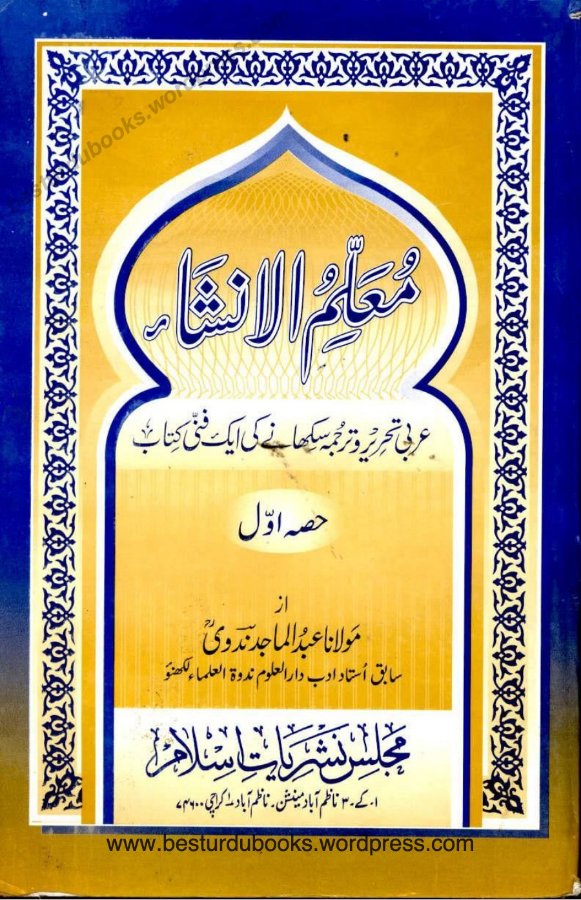
Mu'allim al-Insha, Part 1
معلم الانشاء (حصہ اول)
Mu'allim al-Insha, Part 1 is an Arabic kitab on the Alimiyyah shelf of the Labbaik Library, split into the 33 sections teachers track it by. Add it to a class in one tap and see where every class and student is in it, section by section.
- Publisher
- Majlis Nashriyat-e-Islam, Karachi
- Sections
- 33
- Pages
- 176
Contents of Mu'allim al-Insha, Part 1
The 33 sections teachers mark progress against, in order, with their English names and the printed page numbers.
- 1مقدمۃ الکتابIntroduction to the book (by Maulana Abul Hasan Ali Nadwi)pp. 8–11
- 2الدرس الاول: کلمہ اور اس کی قسمیںLesson 1: The word (kalimah) and its typespp. 12–13
- 3الدرس الثانی: نکرہ و معرفہLesson 2: Indefinite and definite nounspp. 14–16
- 4الدرس الثالث: مرکب تام و مرکب ناقصLesson 3: Complete and incomplete compoundspp. 17–18
- 5الدرس الرابع: مرکب توصیفی اور اس کا قاعدہLesson 4: Descriptive compound (adjective phrase) and its rulepp. 19–25
- 6الدرس الخامس: مرکب اضافی اور اس کا قاعدہLesson 5: Genitive compound (idafah) and its rulepp. 26–35
- 7الدرس السادس: مرکب تامLesson 6: Complete compound (nominal sentence)pp. 36–46
- 8الدرس السابع: جملہ فعلیہ اور اس کا قاعدہLesson 7: Verbal sentence and its rulepp. 47–51
- 9الدرس الثامن: فعل کی قسمیں، ماضی، مضارع، امر و نہیLesson 8: Types of verb: past, present, command, prohibitionpp. 52–55
- 10الدرس التاسع: فعل مضارع اور اس کے صیغےLesson 9: The present tense verb and its formspp. 56–60
- 11الدرس التاسع (۲): فعل مستقبلLesson 9 (2): Future tensepp. 61–62
- 12الدرس التاسع (۳): فعل مضارع استمرار و دوام کے معنی میںLesson 9 (3): Present tense denoting continuityp. 63
- 13الدرس العاشر: فعل مجہول، نائب فاعل اور اس کا قاعدہLesson 10: Passive verb and deputy subjectpp. 64–68
- 14الدرس الحادی عشر: ماضی بعید و ماضی استمراریLesson 11: Pluperfect and past continuouspp. 69–76
- 15الدرس الثانی عشر (۱): فعل امر، امر بنانے کا قاعدہLesson 12 (1): Command verbpp. 77–79
- 16الدرس الثانی عشر (۲): فعل نہی، نہی بنانے کا قاعدہLesson 12 (2): Prohibition verbpp. 80–82
- 17الدرس الثالث عشر: خبر جبکہ جملہ ہو مطابقت کی صورتیںLesson 13: Agreement when the predicate is a sentencepp. 83–89
- 18الدرس الرابع عشر: قد کے ساتھ فعل ماضی و مضارع کی تاکیدLesson 14: Emphasis of past and present verbs with qadpp. 90–92
- 19الدرس الخامس عشر: لم و لما و لن کے ساتھ فعل کی نفیLesson 15: Negation with lam, lamma and lanpp. 93–98
- 20الدرس السادس عشر: مستقبل ثبت کی تاکید، لام تاکید، نون تاکیدLesson 16: Emphasis of the future, lam and nun of emphasispp. 99–103
- 21بقیہ حروف ناصبہ کی مشقRemaining nasib particles (an, kay, idhan etc.)pp. 104–110
- 22الدرس السابع عشر: ادوات الاستفہامLesson 17: Interrogative particlespp. 111–121
- 23الدرس الثامن عشر: ادوات الشرطLesson 18: Conditional particlespp. 122–126
- 24الدرس الثامن عشر (۲): ادوات الشرط غیر الجازمہLesson 18 (2): Non-jussive conditional particlespp. 127–129
- 25الدرس التاسع عشر: اسم موصولLesson 19: Relative pronounpp. 130–132
- 26الدرس العشرون: نواسخ جملہ، حروف مشبہ بالفعلLesson 20: Abrogators of the sentence: inna and its sisterspp. 133–137
- 27الدرس الحادی والعشرون: افعال ناقصہLesson 21: Defective verbs (kana and sisters)pp. 138–144
- 28الدرس الثانی والعشرون: ما و لا المشبہتان بلیسLesson 22: Ma and La resembling Laysapp. 145–147
- 29الدرس الثالث والعشرون: لائے نفی جنسLesson 23: La of absolute negationpp. 148–150
- 30الدرس الرابع والعشرون: افعال المقاربة والرجاء والشروعLesson 24: Verbs of proximity, hope and commencementpp. 151–155
- 31الدرس الخامس والعشرون: حروف جارہLesson 25: Prepositionspp. 156–158
- 32الرسائلLetterspp. 159–160
- 33معانی الالفاظ الصعبةMeanings of difficult wordspp. 161–176
Only the cover and this outline are shared, never the kitab’s contents. All credit belongs to its author and publisher.
Tracking Mu'allim al-Insha, Part 1 in Labbaik
- Add it to a class. Pick it from the Library in one tap. Its sections come with it, so nobody types out a contents page.
- Mark progress as you teach. The ustadh marks each section as the class reaches it, and can mark any student who is ahead or behind.
- See where everyone is. The principal sees every year group's place in every kitab, and adult students see their own progress in the portal.
More on running an Alimiyyah programme: Labbaik for Darul Ulooms and Islamic institutes, the Dars-e-Nizami syllabus year by year, and the guide to Darul Uloom software.
More Arabic kitabs in the Library
- Al-Mu'allaqat as-Sab' with al-Zawzani's commentary · المعلقات السبع مع الحواشي المفيدة للزوزني
- Al-Tariqah al-Asriyyah fi Ta'lim al-Lughah al-Arabiyyah, Part 1 · الطريقة العصرية في تعليم اللغة العربية - الجزء الأول
- Diwan al-Hamasah · ديوان الحماسة
- Diwan al-Mutanabbi with as-Sahab as-Sayyib · ديوان المتنبي مع السحاب الصيب على ديوان أبي الطيب
- Matn al-Kafi with al-Mukhtasar ash-Shafi · متن الكافي مع شرحه المختصر الشافي
- Mu'allim al-Insha, Part 2 · معلم الانشاء (حصہ دوم)
- Mu'allim al-Insha, Part 3 · معلم الانشاء (حصہ سوم)
- Mukhtarat min Adab al-Arab (Prose), Part 1 · مختارات من أدب العرب (قسم النثر) - الجزء الأول
- Nafhat al-Arab · نفحة العرب
- Nafhat al-Yaman · نفحة اليمن فيما يزول بذكره الشجن
- Sharh Diwan al-Hamasa (al-Marzuqi) · شرح ديوان الحماسة لأبي تمام