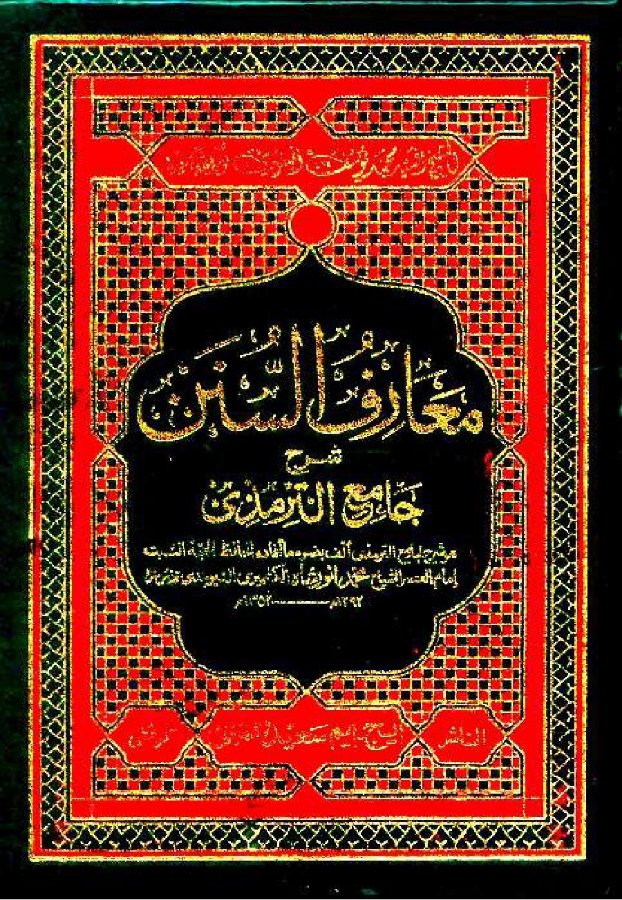
Hadith · Alimiyyah
Ma'arif al-Sunan
معارف السنن شرح سنن الترمذي
Ma'arif al-Sunan is a Hadith kitab on the Alimiyyah shelf of the Labbaik Library, split into the 398 sections teachers track it by. Add it to a class in one tap and see where every class and student is in it, section by section.
- Publisher
- H. M. Saeed Company, Karachi (1413 AH)
- Sections
- 398
- Pages
- 562
- Volumes
- 6
Contents of Ma'arif al-Sunan
The 398 sections teachers mark progress against, in order, with their English names and the printed page numbers.
- Volume 1
- 1مبدأ جامع الترمذي وأبواب الطهارة الأولى (قبل باب وضوء النبي)Beginning of Jami' al-Tirmidhi and the earlier chapters of Taharahpp. 1–196
- 2باب وضوء النبي ﷺ كيف كان (إلى باب المنديل بعد الوضوء)How the Prophet performed Wudu; sprinkling water, perfecting Wudu, the towelpp. 197–203
- 3باب ما يقال بعد الوضوء / باب الوضوء بالمدWhat is said after Wudu; Wudu with a Mudd of waterpp. 204–210
- 4باب كراهية الإسراف في الوضوء (إلى باب الرخصة في ذلك)Dislike of extravagance in Wudu; Wudu for each prayer; Wudu from one vessel; remnants of a woman's waterpp. 211–220
- 5باب أن الماء طهور لا ينجسه شيءWater is pure and nothing makes it impurepp. 221–228
- 6باب في حديث القلتينHadith of the two Qullahspp. 229–237
- 7باب كراهية البول في الماء الراكدDislike of urinating in stagnant waterpp. 238–253
- 8باب ما جاء في البحر أنه طهورThe sea is purepp. 254–260
- 9باب التشديد في البولSeverity regarding urinepp. 261–267
- 10باب ما جاء في نضح بول الغلامSprinkling for the urine of a boypp. 268–270
- 11باب ما جاء في بول ما يؤكل لحمهUrine of animals whose meat is eatenpp. 271–279
- 12باب ما جاء في الوضوء من الريح / باب الوضوء من النومWudu from wind; Wudu from sleeppp. 280–285
- 13باب الوضوء مما غيرت النار / باب ترك الوضوء مما غيرت النارWudu from food touched by fire; leaving Wudu from itpp. 286–291
- 14باب الوضوء من لحوم الإبلWudu from camel meatpp. 292–294
- 15باب الوضوء من مس الذكر / باب ترك الوضوء من مس الذكرWudu from touching the private part; leaving Wudu from itpp. 295–300
- 16باب ترك الوضوء من القبلةLeaving Wudu after a kisspp. 301–304
- 17باب الوضوء من القيء والرعافWudu from vomiting and nosebleedpp. 305–308
- 18باب الوضوء بالنبيذWudu with Nabidhpp. 309–315
- 19باب المضمضة من اللبن / باب كراهية رد السلام غير متوضئRinsing the mouth after milk; disliking returning Salam without Wudupp. 316–321
- 20باب ما جاء في سؤر الكلبLeftovers of a dogpp. 322–326
- 21باب ما جاء في سؤر الهرةLeftovers of a catpp. 327–330
- 22باب المسح على الخفينWiping over leather sockspp. 331–344
- 23باب في المسح على الخفين ظاهرهما / باب المسح على الجوربين والنعلين / باب المسح على الجوربين والعمامةWiping the upper part of the Khuffs; wiping over socks, sandals and turbanpp. 345–357
- 24باب ما جاء في الغسل من الجنابة / باب هل تنقض المرأة شعرها عند الغسلGhusl for Janabah; whether a woman undoes her hairpp. 358–365
- 25باب ما جاء أن تحت كل شعرة جنابة / باب الوضوء بعد الغسل / باب إذا التقى الختانانUnder every hair is Janabah; Wudu after Ghusl; when the two circumcised parts meetpp. 366–370
- 26باب ما جاء أن الماء من الماء / باب فيمن يستيقظ ويرى بللاWater is from water; one who wakes and finds wetnesspp. 371–375
- 27باب ما جاء في المني والمذيMani and Madhipp. 376–380
- 28باب في المذي يصيب الثوب / باب في المني يصيب الثوبMadhi and Mani on clothingpp. 381–388
- 29باب في الجنب ينام قبل أن يغتسلA Junub sleeping before Ghuslpp. 389–397
- 30باب في الوضوء للجنب إذا أراد أن ينام (إلى باب الرجل يستدفئ بالمرأة بعد الغسل)Wudu for a Junub who wants to sleep; shaking hands with a Junub; woman's dream; warming oneself with a womanpp. 398–404
- 31باب التيمم للجنب إذا لم يجد الماءTayammum for a Junub who finds no waterpp. 405–407
- 32باب في المستحاضةThe Mustahadahpp. 408–424
- 33باب ما جاء أن المستحاضة تتوضأ لكل صلاةThe Mustahadah performs Wudu for every prayerp. 425
- 34باب في المستحاضة أنها تجمع بين الصلاتين بغسل واحدThe Mustahadah combines two prayers with one Ghuslpp. 426–435
- 35باب ما جاء في المستحاضة أنها تغتسل عند كل صلاةThe Mustahadah performs Ghusl for every prayerpp. 436–440
- 36باب ما جاء في الحائض أنها لا تقضي الصلاةA menstruating woman does not make up prayerspp. 441–444
- 37باب ما جاء في الجنب والحائض لا يقرءان القرآنJunub and Ha'id do not recite the Quranpp. 445–448
- 38باب ما جاء في مباشرة الحائض / باب مؤاكلة الجنب والحائض / باب الحائض تتناول الشيء من المسجدContact with a menstruating woman; eating with Junub and Ha'id; taking something from the mosquepp. 449–455
- 39باب ما جاء في كراهية إتيان الحائض / باب غسل دم الحيض من الثوبDislike of approaching a menstruating woman; washing menstrual blood from clothingpp. 456–461
- 40باب ما جاء في كم تمكث النفساءHow long the Nifas woman waitspp. 462–463
- 41باب ما جاء في الرجل يطوف على نسائه بغسل واحدVisiting one's wives with a single Ghuslpp. 464–467
- 42باب ما جاء إذا أراد أن يعود توضأPerforming Wudu before returningpp. 468–469
- 43باب ما جاء إذا أقيمت الصلاة ووجد أحدكم الخلاءWhen the prayer is called and one needs the toiletpp. 470–471
- 44باب ما جاء في الوضوء من الموطئWudu from what one steps onpp. 472–475
- 45باب ما جاء في التيممTayammumpp. 476–495
- 46باب ما جاء في الرجل يقرأ القرآن على كل حال ما لم يكن جنباReciting the Quran in every state unless Junubp. 496
- 47باب ما جاء في البول يصيب الأرضUrine on the groundpp. 497–506
- Volume 2
- 48أبواب الصلاة: باب ما جاء في مواقيت الصلاة (مع الرخصة في السمر بعد العشاء)Abwab as-Salah: Chapter on the times of prayerpp. 1–83
- 49باب ما جاء في الوقت الأول من الفضلChapter on the virtue of the first timepp. 84–89
- 50باب ما جاء في السهو عن وقت صلاة العصرChapter on forgetting the time of Asrpp. 90–94
- 51باب ما جاء في تعجيل الصلاة إذا أخرها الإمامChapter on praying early when the imam delayspp. 95–97
- 52باب ما جاء في النوم عن الصلاةChapter on sleeping through prayerpp. 98–104
- 53باب ما جاء في الرجل ينسى الصلاةChapter on forgetting a prayerpp. 105–106
- 54باب ما جاء تفوته الصلوات بأيتهن يبدأChapter on missed prayers: which to start withpp. 107–114
- 55باب ما جاء في الصلاة الوسطى أنها العصرChapter on the middle prayer being Asrpp. 115–120
- 56باب ما جاء في كراهية الصلاة بعد العصر والفجرChapter on disliked prayer after Asr and Fajrpp. 121–130
- 57باب ما جاء في الصلاة بعد العصرChapter on prayer after Asrpp. 131–139
- 58باب ما جاء في الصلاة قبل المغربChapter on prayer before Maghribpp. 140–145
- 59باب ما جاء فيمن أدرك ركعة من العصر قبل أن تغرب الشمسChapter on one who catches a rak'ah of Asr before sunsetpp. 146–160
- 60باب ما جاء في الجمع بين الصلاتينChapter on combining two prayerspp. 161–167
- 61باب ما جاء في بدء الأذانChapter on the beginning of the adhanpp. 168–173
- 62باب ما جاء في الترجيع في الأذانChapter on tarji' in the adhanpp. 174–182
- 63باب ما جاء في إفراد الإقامةChapter on saying the iqamah singlypp. 183–186
- 64باب ما جاء أن الإقامة مثنى مثنىChapter on the iqamah in pairspp. 187–193
- 65باب ما جاء في الترسل في الأذانChapter on slow recitation of the adhanpp. 194–196
- 66باب ما جاء في إدخال الأصبع الأذن عند الأذانChapter on putting fingers in the ears during adhanpp. 197–201
- 67باب ما جاء في التثويب في الفجرChapter on tathwib in Fajrpp. 202–205
- 68باب من أذن فهو يقيم؛ الأذان بغير وضوء؛ الإمام أحق بالإقامةChapters: the one who calls adhan makes iqamah; adhan without wudu; the imam's right to iqamahpp. 206–212
- 69باب ما جاء في الأذان بالليلChapter on the adhan at nightpp. 213–220
- 70باب كراهية الخروج من المسجد بعد الأذان؛ الأذان في السفرChapters: leaving the mosque after adhan; adhan while travellingpp. 221–224
- 71باب ما جاء في فضل الأذانChapter on the virtue of the adhanpp. 225–229
- 72باب ما جاء أن الإمام ضامنChapter: the imam is a guarantorpp. 230–234
- 73باب ما يقول إذا أذن المؤذنChapter on what to say when the muadhdhin callspp. 235–239
- 74باب ما جاء في كراهية أن يأخذ على الأذان أجراًChapter on disliking payment for the adhanpp. 240–242
- 75باب ما يقول إذا أذن المؤذن من الدعاء؛ الدعاء لا يرد بين الأذان والإقامةChapters: du'a after adhan; du'a between adhan and iqamah is not rejectedpp. 243–248
- 76باب ما جاء كم فرض الله على عباده من الصلواتChapter on how many prayers Allah made obligatorypp. 249–255
- 77باب ما جاء في فضل الصلوات الخمسChapter on the virtue of the five prayerspp. 256–261
- 78باب ما جاء في فضل الجماعة؛ فيمن سمع النداء فلا يجيبChapters: virtue of congregation; one who hears the call and does not respondpp. 262–268
- 79باب ما جاء في الرجل يصلي وحده ثم يدرك الجماعة؛ الجماعة في مسجد قد صلي فيهChapters: praying alone then finding the congregation; second congregation in a mosquepp. 269–290
- 80باب فضل العشاء والفجر في جماعة؛ فضل الصف الأولChapters: virtue of Isha and Fajr in congregation; the first rowpp. 291–296
- 81باب ما جاء في إقامة الصفوف؛ ليليني منكم أولو الأحلام والنهىChapters: straightening rows; 'Let those of understanding stand behind me'pp. 297–304
- 82باب كراهية الصف بين السواري؛ الصلاة خلف الصف وحدهChapters: rows between pillars; praying alone behind the rowpp. 305–312
- 83باب الرجل يصلي ومعه رجل / رجلان / رجال ونساءChapters: one man, two men, men and women praying togetherpp. 313–321
- 84باب من أحق بالإمامة؛ إذا أم أحدكم الناس فليخففChapters: who has most right to lead; the imam should be briefpp. 322–338
- 85باب تحريم الصلاة وتحليلها؛ نشر الأصابع عند التكبير؛ فضل التكبيرة الأولىChapters: takbir tahrimah; spreading fingers; virtue of the first takbirpp. 339–348
- 86باب ما يقول عند افتتاح الصلاةChapter on what is said to open the prayerpp. 349–360
- 87باب ترك الجهر بالبسملة؛ من رأى الجهر؛ افتتاح القراءة بالحمد للهChapters: bismillah aloud or silent; opening recitation with Alhamdulillahpp. 361–381
- 88باب ما جاء أنه لا صلاة إلا بفاتحة الكتابChapter: no prayer without Fatihahpp. 382–395
- 89باب ما جاء في التأمينChapter on saying Aminpp. 396–431
- 90باب ما جاء في السكتتين؛ وضع اليمين على الشمال في الصلاةChapters: the two pauses; placing right hand on leftpp. 432–445
- 91باب ما جاء في التكبير عند الركوع والسجودChapter on takbir at ruku and sujudpp. 446–450
- 92باب رفع اليدين عند الركوعChapter on raising hands at rukupp. 451–501
- Volume 3
- 93باب ما جاء في وضع اليدين على الركبتين في الركوعPlacing the hands on the knees in ruku'pp. 1–4
- 94باب ما جاء في أنه يجافي يديه عن جنبيه في الركوعKeeping the arms away from the sides in ruku'p. 5
- 95باب ما جاء في التسبيح في الركوع والسجودTasbih in ruku' and sujudpp. 6–13
- 96باب ما جاء في النهي عن القراءة في الركوع والسجودProhibition of recitation in ruku' and sujudpp. 14–17
- 97باب ما جاء في من لا يقيم صلبه في الركوعOne who does not straighten his back in ruku'pp. 18–19
- 98باب ما يقول الرجل إذا رفع رأسه من الركوعWhat to say when rising from ruku'pp. 20–25
- 99باب في وضع اليدين قبل الركبتين في السجودPlacing hands before knees in sujudpp. 26–28
- 100باب آخر منه وفيه النهي عن بروك الجمل في الصلاةAnother chapter: prohibition of kneeling like a camelpp. 29–32
- 101باب ما جاء في السجود على الجبهة والأنفSujud on the forehead and nosepp. 33–36
- 102باب ما جاء أين يضع الرجل وجهه إذا سجدWhere to place the face in sujudp. 37
- 103باب ما جاء في السجود على سبعة أعضاءSujud on seven body partspp. 38–39
- 104باب ما جاء في التجافي في السجودKeeping the arms away in sujudpp. 40–42
- 105باب ما جاء في الاعتدال في السجودModeration in sujudpp. 43–47
- 106باب ما جاء في وضع اليدين ونصب القدمين في السجودPlacing hands and erecting feet in sujudpp. 48–49
- 107باب إقامة الصلب إذا رفع رأسه من الركوع والسجودStraightening the back after ruku' and sujudpp. 50–53
- 108باب ما جاء في كراهية أن يبادر الإمام في الركوع والسجودDisliked to precede the Imam in ruku' and sujudpp. 54–59
- 109باب ما جاء في كراهية الإقعاء بين السجدتينDisliked iq'a between the two sajdaspp. 60–63
- 110باب الرخصة في الإقعاءConcession in iq'app. 64–67
- 111باب ما يقول بين السجدتينWhat to say between the two sajdasp. 68
- 112باب ما جاء في الاعتماد في السجودLeaning on the hands in sujudpp. 69–73
- 113باب كيف النهوض من السجودHow to rise from sujudpp. 74–81
- 114باب ما جاء في التشهدTashahhudpp. 82–91
- 115باب منه أيضاً وفيه تشهد ابن عباسAlso: Tashahhud of Ibn Abbasp. 92
- 116باب ما جاء أنه يخفى التشهدReciting tashahhud quietlyp. 93
- 117باب كيف الجلوس في التشهدHow to sit in tashahhudpp. 94–96
- 118باب ما جاء في الإشارةPointing the finger in tashahhudpp. 97–108
- 119باب ما جاء في التسليم في الصلاة وبيان حكمهTaslim in salah and its rulingpp. 109–114
- 120باب ما جاء أن حذف السلام سنةBrisk salam is sunnahpp. 115–117
- 121باب ما يقول إذا سلم وفيه حديث عائشةWhat to say after salampp. 118–124
- 122باب ما جاء في الانصراف عن يمينه وعن يسارهTurning to the right or left after salahpp. 125–128
- 123باب ما جاء في وصف الصلاةDescription of the prayerpp. 129–167
- 124باب ما جاء في القراءة في الصبحRecitation in Fajrpp. 168–169
- 125باب ما جاء في القراءة في الظهر والعصرRecitation in Zuhr and Asrpp. 170–173
- 126باب في القراءة في المغربRecitation in Maghribpp. 174–180
- 127باب ما جاء في القراءة في صلاة العشاءRecitation in Ishapp. 181–182
- 128باب ما جاء في القراءة خلف الإمامRecitation behind the Imampp. 183–290
- 129باب ما يقول عند دخول المسجد وفيه حديث فاطمةWhat to say when entering the mosquepp. 291–292
- 130باب ما جاء إذا دخل أحدكم المسجد فليركع ركعتينPraying two rak'ahs on entering the mosquepp. 293–295
- 131باب ما جاء أن الأرض كلها مسجد إلا المقبرة والحمامThe whole earth is a mosque except graveyard and bathhousepp. 296–297
- 132باب ما جاء في بنيان المسجد وفيه حديث عثمانBuilding of the mosquepp. 298–304
- 133باب ما جاء في كراهية أن يتخذ على القبر مسجداًDisliked to build a mosque over a gravepp. 305–309
- 134باب ما جاء في النوم في المسجدSleeping in the mosquepp. 310–312
- 135باب كراهية البيع والشراء وإنشاد الضالة والشعر في المسجدDisliked trading, lost-property announcements and poetry in the mosquepp. 313–316
- 136باب ما جاء في المسجد الذي أسس على التقوىThe mosque founded on taqwapp. 317–318
- 137باب ما جاء في الصلاة في مسجد قباءPrayer in Masjid Qubapp. 319–321
- 138باب ما جاء أي المساجد أفضلWhich mosque is most virtuouspp. 322–335
- 139باب ما جاء في المشي إلى المسجدWalking to the mosquepp. 336–339
- 140باب ما جاء في القعود في المسجد وانتظار الصلاةSitting in the mosque and awaiting prayerpp. 340–342
- 141باب ما جاء في الصلاة على الخمرةPraying on the khumrahpp. 343–344
- 142باب في الصلاة على الحصير وباب في الصلاة على البسطPraying on mats and carpetspp. 345–347
- 143باب ما جاء في الصلاة في الحيطانPraying in gardensp. 348
- 144باب ما جاء في سترة المصليThe sutrah of the worshipperpp. 349–354
- 145باب ما جاء في كراهية المرور بين يدي المصليDisliked passing in front of the worshipperpp. 355–356
- 146باب ما جاء لا يقطع الصلاة شيءNothing invalidates the prayerpp. 357–358
- 147باب ما جاء لا يقطع الصلاة إلا الكلب والمرأة والحمارOnly dog, woman and donkey invalidate prayerpp. 359–360
- 148باب ما جاء في الصلاة في الثوب الواحدPraying in a single garmentpp. 361–363
- 149باب ما جاء في ابتداء القبلة ومعنى القبلةBeginning of the qiblahpp. 364–374
- 150باب ما جاء أن ما بين المشرق والمغرب قبلةBetween east and west is qiblahpp. 375–379
- 151باب ما جاء في الرجل يصلي لغير القبلة في الغيمPraying in the wrong direction on a cloudy daypp. 380–381
- 152باب ما جاء في كراهية ما يصلى إليه وفيهDisliked places to pray towards or inpp. 382–387
- 153باب ما جاء في الصلاة في مرابض الغنم وأعطان الإبلPraying in sheep pens and camel penspp. 388–391
- 154باب ما جاء في الصلاة على الدابة حيث ما توجهتPraying on a mountpp. 392–396
- 155باب ما جاء في الصلاة إلى الراحلةPraying towards a camelp. 397
- 156باب ما جاء إذا حضر العشاء وأقيمت الصلاةWhen dinner is served and iqamah is calledpp. 398–401
- 157باب ما جاء في الصلاة عند النعاسPraying while drowsypp. 402–403
- 158باب ما جاء من زار قوماً فلا يصلي بهمA visitor should not lead the hostspp. 404–405
- 159باب ما جاء في كراهية أن يخص الإمام نفسه بالدعاءImam should not single himself out in duapp. 406–410
- 160باب ما جاء من أم قوماً وهم له كارهونLeading people who dislike himpp. 411–413
- 161باب ما جاء إذا صلى الإمام قاعداً فصلوا قعوداًWhen the Imam prays sittingpp. 414–432
- 162باب ما جاء ينهض الإمام في الركعتين ناسياًImam rising after two rak'ahs forgetfullypp. 433–436
- 163باب ما جاء في مقدار القعود في الركعتين الأوليينDuration of sitting after first two rak'ahspp. 437–438
- 164باب ما جاء في الإشارة في الصلاةGesturing during prayerpp. 439–441
- 165باب ما جاء أن التسبيح للرجال والتصفيق للنساءTasbih for men, clapping for womenpp. 442–443
- 166باب ما جاء في كراهية التثاؤب في الصلاةDisliked yawning in prayerpp. 444–445
- 167باب ما جاء أن صلاة القاعد على النصف من صلاة القائمSitting prayer is half reward of standingpp. 446–451
- 168باب فيمن يتطوع جالساًVoluntary prayer while sittingpp. 452–455
- 169باب ما جاء أن النبي ﷺ قال: إني لأسمع بكاء الصبي في الصلاة فأخففShortening prayer on hearing a child crypp. 456–458
- 170باب ما جاء لا تقبل صلاة الحائض إلا بخمارPrayer of an adult woman requires a head coverpp. 459–460
- 171باب ما جاء في كراهية السدل في الصلاةDisliked sadl in prayerpp. 461–464
- 172باب ما جاء في كراهية مس الحصى في الصلاةDisliked touching pebbles in prayerp. 465
- 173باب ما جاء في كراهية النفخ في الصلاةDisliked blowing in prayerpp. 465–466
- 174باب ما جاء في كراهية الاختصار في الصلاةDisliked ikhtisar in prayerpp. 467–469
- 175باب ما جاء في التخشع في الصلاةKhushu' in prayerpp. 470–474
- 176باب ما جاء في كراهية التشبيك بين الأصابعDisliked interlacing fingerspp. 475–478
- 177باب ما جاء في طول القيام في الصلاةLength of standing in prayerpp. 479–480
- 178باب ما جاء في كثرة الركوع والسجود وبيان المذاهبAbundance of ruku' and sujudpp. 481–482
- 179باب ما جاء في قتل الأسودين في الصلاةKilling snake and scorpion during prayerp. 483
- 180باب ما جاء في سجدتي السهو قبل السلامSajdah sahw before salampp. 484–492
- 181باب ما جاء في سجدتي السهو بعد السلام والكلامSajdah sahw after salam and speechpp. 493–495
- 182باب ما جاء في التشهد في سجدتي السهوTashahhud in sajdah sahwpp. 496–497
- 183باب ما جاء في من يشك في الزيادة والنقصانOne doubting addition or omissionpp. 498–503
- 184باب ما جاء في الرجل يسلم في الركعتين من الظهر والعصرSaying salam after two rak'ahs of Zuhr/Asr (Dhul-Yadayn)pp. 504–544
- Volume 4
- 185باب ما جاء في الصلاة في النعال وما بعده (إلى تعامل الصحابة في النوافل)Chapter on praying in sandals and the following chapters (up to the Companions' practice in voluntary prayers)pp. 1–115
- 186باب ما جاء في الركعتين بعد العشاءChapter on the two rak'ahs after Ishap. 116
- 187باب ما جاء أن صلاة الليل مثنى مثنىChapter: the night prayer is two by twopp. 117–127
- 188باب ما جاء في فضل صلاة الليلChapter on the virtue of the night prayerp. 128
- 189باب ما جاء في وصف صلاة النبي ﷺ بالليلChapter on the description of the Prophet's night prayerpp. 129–134
- 190باب في نزول الرب تبارك وتعالى إلى السماء الدنياChapter on the descent of the Lord to the lowest heavenpp. 135–157
- 191باب ما جاء في القراءة بالليلChapter on recitation at nightpp. 158–160
- 192باب فضل التطوع في البيتChapter on the virtue of voluntary prayer at homepp. 161–164
- 193أبواب الوتر: باب ما جاء في فضل الوترChapters of Witr: virtue of Witrpp. 165–177
- 194باب ما جاء أن الوتر ليس بحتمChapter: Witr is not obligatorypp. 178–180
- 195باب ما جاء في كراهية النوم قبل الوترChapter on disliking sleeping before Witrpp. 181–182
- 196باب ما جاء في الوتر من أول الليل وآخرهChapter on Witr at the beginning or end of the nightpp. 183–184
- 197باب ما جاء في الوتر بسبعChapter on Witr with sevenpp. 185–186
- 198باب ما جاء في الوتر بخمسChapter on Witr with fivepp. 187–217
- 199باب ما جاء في الوتر بثلاثChapter on Witr with threepp. 218–226
- 200باب ما جاء في الوتر بركعةChapter on Witr with one rak'ahpp. 227–238
- 201باب ما جاء فيما يقرأ في الوترChapter on what is recited in Witrpp. 239–240
- 202باب ما جاء في القنوت في الوترChapter on Qunut in Witrpp. 241–248
- 203باب في الرجل ينام عن الوتر أو ينسىChapter on the one who sleeps through or forgets Witrpp. 249–251
- 204باب في مبادرة الصبح بالوترChapter on hastening Witr before Subhpp. 252–254
- 205باب لا وتران في ليلةChapter: no two Witrs in one nightpp. 255–259
- 206باب في الوتر على الراحلةChapter on Witr on a mountpp. 260–265
- 207باب ما جاء في صلاة الضحىChapter on Salat ad-Duhapp. 266–272
- 208باب في الصلاة عند الزوالChapter on prayer at middayp. 273
- 209باب في صلاة الحاجة (وصلاة الاستخارة)Chapter on Salat al-Hajah (and Istikhara)pp. 274–281
- 210باب في صلاة التسبيحChapter on Salat at-Tasbihpp. 282–289
- 211باب في صفة الصلاة على النبي ﷺChapter on the manner of sending blessings on the Prophetpp. 290–297
- 212باب في فضل الصلاة على النبي ﷺChapter on the virtue of sending blessings on the Prophetpp. 298–302
- 213أبواب الجمعةChapters of Jumu'ah (introduction)pp. 303–305
- 214باب في الساعة التي ترجى في يوم الجمعةChapter on the hour of acceptance on Fridaypp. 306–319
- 215باب في الاغتسال في يوم الجمعةChapter on ghusl on Fridaypp. 320–327
- 216باب ما جاء في فضل الغسل يوم الجمعةChapter on the virtue of ghusl on Fridaypp. 328–330
- 217باب في الوضوء يوم الجمعةChapter on wudu on Fridaypp. 331–340
- 218باب في ترك الجمعة من غير عذرChapter on leaving Jumu'ah without excusepp. 341–342
- 219باب من كم يؤتى إلى الجمعةChapter on how far one must come to Jumu'ahpp. 343–353
- 220باب في وقت الجمعةChapter on the time of Jumu'ahpp. 354–358
- 221باب في الخطبة على المنبرChapter on the sermon on the minbarpp. 359–360
- 222باب في الجلوس بين الخطبتينChapter on sitting between the two sermonsp. 361
- 223باب في قصر الخطبةChapter on a short sermonp. 362
- 224باب في القراءة على المنبرChapter on recitation on the minbarp. 363
- 225باب في استقبال الإمام إذا خطبChapter on facing the Imam when he preachespp. 364–365
- 226باب في الركعتين إذا جاء الرجل والإمام يخطبChapter on the two rak'ahs when one arrives during the sermonpp. 366–380
- 227باب في كراهة الكلام والإمام يخطبChapter on disliking speech during the sermonpp. 381–388
- 228باب في كراهة التخطي يوم الجمعةChapter on disliking stepping over necks on Fridaypp. 389–390
- 229باب في كراهية الاحتباء والإمام يخطبChapter on disliking sitting hugging knees during the sermonpp. 391–393
- 230باب في كراهية رفع الأيدي على المنبرChapter on disliking raising hands on the minbarp. 394
- 231باب في أذان الجمعةChapter on the Jumu'ah adhanpp. 395–405
- 232باب في الكلام بعد نزول الإمام من المنبرChapter on speaking after the Imam descends the minbarpp. 406–408
- 233باب في القراءة في صلاة الجمعةChapter on recitation in the Jumu'ah prayerp. 409
- 234باب ما يقرأ في صلاة الصبح يوم الجمعةChapter on recitation in Fajr on Fridayp. 410
- 235باب في الصلاة قبل الخطبة وبعدهاChapter on prayer before and after the sermonpp. 411–416
- 236باب في من يدرك من الجمعة ركعةChapter on one who catches a rak'ah of Jumu'ahpp. 417–419
- 237باب في القائلة يوم الجمعةChapter on the midday nap on Fridayp. 420
- 238باب في من ينعس يوم الجمعة أنه يتحول من مجلسهChapter on one who dozes on Friday moving from his seatp. 421
- 239باب في السفر يوم الجمعةChapter on travelling on Fridayp. 422
- 240باب في السواك والطيب يوم الجمعةChapter on siwak and perfume on Fridaypp. 423–424
- 241أبواب العيدين: باب في المشي يوم العيدينChapters of the two Eids: walking on the Eidsp. 425
- 242باب في صلاة العيد قبل الخطبةChapter on Eid prayer before the sermonpp. 426–428
- 243باب أن صلاة العيدين بغير أذان ولا إقامةChapter: Eid prayers without adhan or iqamahpp. 429–430
- 244باب القراءة في العيدينChapter on recitation in the two Eidspp. 431–433
- 245باب في التكبير في العيدينChapter on takbir in the two Eidspp. 434–442
- 246باب لا صلاة قبل العيدين ولا بعدهاChapter: no prayer before or after the Eid prayerpp. 443–444
- 247باب في خروج النساء في العيدينChapter on women going out for the Eidspp. 445–448
- 248باب في خروج النبي ﷺ إلى العيد في طريق ورجوعه من طريق آخرChapter on the Prophet going by one road and returning by anotherp. 449
- 249باب في الأكل يوم الفطر قبل الخروجChapter on eating before going out on Eid al-Fitrpp. 450–452
- 250أبواب السفر: باب التقصير في السفرChapters of Travel: shortening prayer in travelpp. 453–471
- 251باب في كم تقصر الصلاةChapter on the distance for shortening prayerpp. 472–477
- 252باب في التطوع في السفرChapter on voluntary prayer while travellingpp. 478–480
- 253باب في الجمع بين الصلاتينChapter on combining two prayerspp. 481–490
- 254باب في صلاة الاستسقاءChapter on the rain prayer (Istisqa)pp. 491–500
- Volume 5
- 255باب في صلاة الكسوف وما بعدهChapter on the Eclipse Prayer and what followspp. 1–112
- 256باب الرخصة في السجود على الثوبChapter on the concession to prostrate on a garmentpp. 113–119
- 257باب يدرك الإمام ساجداًChapter on catching the Imam in prostrationpp. 120–127
- 258باب صلاة الليل والنهار مثنى مثنىChapter: night and day prayers are two by twopp. 128–139
- 259باب فضل المشي إلى المساجدChapter on the virtue of walking to the mosquespp. 140–149
- 260باب ما ذكر في فضل الصلاةChapter on the virtue of Salahpp. 150–158
- 261أبواب الزكاة عن رسول الله ﷺChapters on Zakatpp. 159–171
- 262باب ما جاء في زكاة الإبل والغنمChapter on Zakat of camels, sheep and cattlepp. 172–196
- 263باب ما جاء في أخذ خيار المال في الصدقةChapter on taking the best of wealth in Sadaqah; Zakat of cropspp. 197–214
- 264باب ما جاء ليس في الخيل والرقيق صدقةChapter: no Zakat on horses and slaves; honey, jizyah, jewellerypp. 215–230
- 265باب ما جاء في زكاة الخضراواتChapter on Zakat of vegetables, orphan's wealth, and miningpp. 231–254
- 266باب ما جاء في رضا المصدقChapter on the satisfaction of the Zakat collector; who may receive Zakatpp. 255–280
- 267باب ما جاء في حق السائلChapter on the right of the beggar and related matterspp. 281–298
- 268باب ما جاء في صدقة الفطرChapter on Sadaqat al-Fitrpp. 299–318
- 269باب ما جاء في النهي عن المسألةChapter on the prohibition of beggingpp. 319–323
- 270أبواب الصوم عن رسول الله ﷺChapters on Fastingpp. 324–330
- 271باب كراهية صوم يوم الشك وأحكام الهلالChapter on fasting on the day of doubt and sighting the moonpp. 331–353
- 272باب ما يستحب عليه الإفطارChapter on breaking the fast, suhur and backbitingpp. 354–369
- 273باب كراهية الصوم في السفرChapter on fasting while travellingpp. 370–382
- 274باب ما جاء الصوم عن الميتChapter on fasting on behalf of the deceased; kaffarah; forgetful and deliberate eatingpp. 383–397
- 275باب ما جاء في السواك للصائمChapter on siwak, kohl, kissing and intention for the fasting personpp. 398–414
- 276باب في إيجاب القضاء عليه وصوم شعبانChapter on obligatory make-up fasts and fasting in Sha'banpp. 415–428
- 277باب فضل الصوم يوم عرفة وعاشوراءChapter on fasting on the Day of Arafah and Ashurapp. 429–440
- 278باب ما جاء في صيام العشر وستة من شوالChapter on fasting the ten days and six days of Shawwalpp. 441–447
- 279باب ما جاء في فضل الصوم وصوم الدهرChapter on the virtue of fasting and perpetual fastingpp. 448–481
- 280باب كراهية صوم أيام التشريق والحجامة للصائمChapter on fasting on Tashriq days and cupping while fastingpp. 482–497
- 281باب كراهية الوصال في الصومChapter on continuous fasting (wisal) and related rulingspp. 498–514
- 282باب ما جاء في الاعتكاف وليلة القدرChapter on I'tikaf and Laylat al-Qadrpp. 515–535
- 283باب ما جاء في تحفة الصائمChapter on the gift of the fasting personpp. 536–540
- 284باب في قيام شهر رمضانChapter on standing in prayer in Ramadan (Taraweeh)pp. 541–562
- Volume 6
- 285أبواب الحج عن رسول الله ﷺChapters of Hajj (introduction: meaning of Hajj, when obligatory)p. 3
- 286باب ما جاء في حرمة مكةChapter: The sanctity of Makkahpp. 4–9
- 287باب ما جاء في ثواب الحج والعمرةChapter: The reward of Hajj and Umrahpp. 10–12
- 288باب ما جاء من التغليظ في ترك الحجChapter: Severe warning against abandoning Hajjpp. 13–15
- 289باب ما جاء في إيجاب الحج بالزاد والراحلةChapter: Hajj is obligatory with provisions and transportpp. 16–17
- 290باب ما جاء كم فرض الحج؟Chapter: How many times is Hajj obligatory?pp. 18–19
- 291باب ما جاء كم حج النبي ﷺ؟Chapter: How many Hajjs did the Prophet perform?pp. 20–25
- 292باب ما جاء كم اعتمر النبي ﷺ؟Chapter: How many Umrahs did the Prophet perform?pp. 26–28
- 293باب ما جاء في أي موضع أحرم النبي ﷺ؟Chapter: Where the Prophet entered ihrampp. 29–36
- 294باب ما جاء في إفراد الحجChapter: Ifrad Hajjpp. 37–61
- 295باب ما جاء في الجمع بين الحج والعمرةChapter: Combining Hajj and Umrahpp. 62–63
- 296باب ما جاء في التمتعChapter: Tamattu'pp. 64–71
- 297باب ما جاء في التلبيةChapter: The Talbiyahpp. 72–80
- 298باب ما جاء في فضل التلبية والنحرChapter: Virtue of talbiyah and sacrificepp. 81–83
- 299باب ما جاء في دفع الصوت بالتلبيةChapter: Raising the voice in talbiyahp. 84
- 300باب ما جاء في الاغتسال عند الإحرامChapter: Ghusl at ihrampp. 85–86
- 301باب ما جاء في مواقيت الإحرام لأهل الآفاقChapter: Miqat boundaries for ihrampp. 87–93
- 302باب ما جاء فيما لا يجوز للمحرم لبسهChapter: What the muhrim may not wearpp. 94–100
- 303باب ما جاء في لبس السراويل والخفين للمحرمChapter: Wearing trousers and leather socks in ihrampp. 101–102
- 304باب ما جاء في الذي يحرم وعليه قميص أو جبةChapter: One who enters ihram wearing a shirt or cloakpp. 103–104
- 305باب ما جاء ما يقتل المحرم من الدوابChapter: Animals the muhrim may killpp. 105–109
- 306باب ما جاء في الحجامة للمحرمChapter: Cupping for the muhrimp. 110
- 307باب ما جاء في كراهية تزويج المحرمChapter: Disliked to marry while in ihramp. 111
- 308باب ما جاء في الرخصة في ذلكChapter: The concession in that matterpp. 112–123
- 309باب ما جاء في أكل الصيد للمحرمChapter: Eating game for the muhrimpp. 124–130
- 310باب ما جاء في كراهية لحم الصيد للمحرمChapter: Disliked game meat for the muhrimpp. 131–132
- 311باب ما جاء في صيد البحر للمحرمChapter: Sea game for the muhrimpp. 133–134
- 312باب ما جاء في الضبع يصيبها المحرمChapter: The hyena killed by a muhrimpp. 135–137
- 313باب ما جاء في الاغتسال لدخول مكةChapter: Ghusl for entering Makkahp. 138
- 314باب ما جاء في دخول النبي ﷺ مكة من أعلاهاChapter: Prophet entering Makkah from its upper sidep. 139
- 315باب ما جاء في دخول النبي ﷺ مكة نهاراًChapter: Prophet entering Makkah by dayp. 140
- 316باب ما جاء في كراهية رفع اليد عند رؤية البيتChapter: Raising hands on seeing the Housepp. 141–142
- 317باب ما جاء كيف الطواف؟Chapter: How to perform tawafpp. 143–144
- 318باب ما جاء في الرمل من الحجر إلى الحجرChapter: Ramal from the Black Stone to the Stonepp. 145–146
- 319باب ما جاء في استلام الحجر والركن اليمانيChapter: Touching the Black Stone and Yamani cornerpp. 147–149
- 320باب ما جاء أن النبي ﷺ طاف مضطبعاًChapter: Prophet performed tawaf with idtiba'p. 150
- 321باب ما جاء في تقبيل الحجرChapter: Kissing the Black Stonepp. 151–153
- 322باب ما جاء أنه يبدأ بالصفا قبل المروةChapter: Starting with Safa before Marwahpp. 154–156
- 323باب ما جاء في السعي بين الصفا والمروةChapter: Sa'i between Safa and Marwahp. 157
- 324باب ما جاء في الطواف راكباًChapter: Performing tawaf ridingpp. 158–162
- 325باب ما جاء في فضل الطوافChapter: Virtue of tawafp. 163
- 326باب الصلاة بعد العصر وبعد الصبح لمن يطوفChapter: Prayer after Asr and Fajr for those performing tawafpp. 164–167
- 327باب ما يقرأ في ركعتي الطوافChapter: Recitation in the two rak'ahs of tawafp. 168
- 328باب كراهية الطواف عرياناًChapter: Disliked to perform tawaf nakedp. 169
- 329باب ما جاء في دخول الكعبةChapter: Entering the Ka'bahpp. 170–172
- 330باب الصلاة في الكعبةChapter: Prayer inside the Ka'bahpp. 173–176
- 331باب ما جاء في كسر الكعبةChapter: Demolition of the Ka'bahpp. 177–181
- 332باب الصلاة في الحجرChapter: Prayer in the Hijrpp. 182–184
- 333باب فضل الحجر الأسود والركن والمقامChapter: Virtue of the Black Stone, Rukn and Maqampp. 185–191
- 334باب الخروج إلى منى والمقام بهاChapter: Going out to Mina and staying therepp. 192–194
- 335باب ما جاء في منى مناخ من سبقChapter: Mina as resting place for whoever comes firstpp. 195–196
- 336باب ما جاء في تقصير الصلاة بمنىChapter: Shortening prayer in Minapp. 197–199
- 337باب الوقوف بعرفات والدعاء فيهاChapter: Standing at Arafat and supplicationpp. 200–203
- 338باب ما جاء أن عرفة كلها موقفChapter: All of Arafat is a place of standingpp. 204–220
- 339باب الإفاضة من عرفاتChapter: Departing from Arafatpp. 221–222
- 340باب الجمع بين المغرب والعشاء بالمزدلفةChapter: Combining Maghrib and Isha at Muzdalifahpp. 223–226
- 341باب من أدرك الإمام بجمع فقد أدرك الحجChapter: Whoever catches the Imam at Jam' has caught Hajjpp. 227–229
- 342باب تقديم الضعفة من جمع بليلChapter: Sending the weak early from Muzdalifah at nightpp. 230–232
- 343باب (مزدلفة: الوقوف والمبيت)Chapter: Muzdalifah (standing and staying)pp. 233–234
- 344باب الإفاضة من جمع قبل طلوع الشمسChapter: Leaving Jam' before sunrisepp. 235–237
- 345باب الجمار التي ترمى مثل حصى الخذفChapter: Pebbles thrown like khadhf pebblesp. 238
- 346باب في الرمي بعد زوال الشمسChapter: Stoning after the sun's declinepp. 239–241
- 347باب كيف ترمى الجمارChapter: How the jamarat are stonedpp. 242–245
- 348باب كراهية طرد الناس عند رمي الجمارChapter: Disliked to drive people away at stoningp. 246
- 349باب الاشتراك في البدنة والبقرةChapter: Sharing in the camel and cowpp. 247–249
- 350باب ما جاء في إشعار البدنChapter: Marking sacrificial animals (ish'ar)pp. 250–260
- 351باب شراء الهدي من الطريقChapter: Buying the hady on the roadp. 261
- 352باب تقليد الهدي للمقيمChapter: Garlanding the hady for the residentpp. 262–263
- 353باب ما جاء في تقليد الغنمChapter: Garlanding sheeppp. 264–266
- 354باب إذا عطب الهدي ما يصنع بهChapter: What to do if the hady is disabledpp. 267–271
- 355باب ما جاء في ركوب البدنةChapter: Riding the sacrificial camelpp. 272–273
- 356باب بأي جانب الرأس يبدأ في الحلقChapter: Which side of the head to begin shavingpp. 274–279
- 357باب ما جاء في الحلق والتقصيرChapter: Shaving and shorteningpp. 280–284
- 358باب كراهية الحلق للنساءChapter: Disliked shaving for womenpp. 285–288
- 359باب من حلق قبل أن يذبح أو نحر قبل أن يرميChapter: Shaving before slaughter or slaughter before stoningp. 289
- 360باب الطيب عند الإحلال قبل الزيارةChapter: Perfume at release before tawaf ziyarahpp. 290–292
- 361باب متى تقطع التلبية في الحجChapter: When talbiyah stops in Hajjp. 293
- 362باب متى تقطع التلبية في العمرةChapter: When talbiyah stops in Umrahpp. 294–297
- 363باب طواف الزيارة بالليلChapter: Tawaf ziyarah at nightpp. 298–303
- 364باب ما جاء في نزول الأبطحChapter: Stopping at al-Abtahpp. 304–309
- 365باب من نزل الأبطحChapter: Whoever stopped at al-Abtahp. 310
- 366باب ما جاء في حج الصبيChapter: Hajj of a childpp. 311–313
- 367باب الحج عن الشيخ الكبير والميتChapter: Hajj on behalf of the old and the deadpp. 314–319
- 368باب منهChapter: Related to itpp. 320–321
- 369باب العمرة أواجبة هي أم لاChapter: Is Umrah obligatory or not?pp. 322–325
- 370باب منه (تكرار العمرة وشهور الحج)Chapter: Related (repeating Umrah, months of Hajj)pp. 326–330
- 371باب ما جاء في ذكر فضل العمرةChapter: Virtue of Umrahpp. 331–332
- 372باب ما جاء في العمرة من التنعيمChapter: Umrah from Tan'impp. 333–334
- 373باب ما جاء في العمرة من الجعرانةChapter: Umrah from Ji'ranahpp. 335–336
- 374باب ما جاء في عمرة رجبChapter: Umrah in Rajabpp. 337–338
- 375باب ما جاء في عمرة ذي القعدةChapter: Umrah in Dhul-Qa'dahp. 339
- 376باب ما جاء في عمرة رمضانChapter: Umrah in Ramadanpp. 340–344
- 377باب ما جاء في الذي يهل بالحج فيكسر أو يعرجChapter: One who enters ihram for Hajj and breaks or limpspp. 345–349
- 378باب ما جاء في الاشتراط في الحجChapter: Making conditions in Hajjpp. 350–353
- 379باب منهChapter: Related to itp. 354
- 380باب ما جاء في المرأة تحيض بعد الإفاضةChapter: Woman who menstruates after ifadahpp. 355–358
- 381باب ما جاء ما تقضي الحائض من المناسكChapter: Rites a menstruating woman performspp. 359–363
- 382باب ما جاء من حج واعتمر فليكن آخر عهده بالبيتChapter: Last act should be at the Housepp. 364–366
- 383باب ما جاء أن القارن يطوف طوافاً واحداًChapter: The qarin performs a single tawafpp. 367–398
- 384باب ما جاء في المهاجر يمكث بمكة بعد الصدر ثلاثاًChapter: The Muhajir staying three days in Makkahpp. 399–400
- 385باب ما يقول عند القفول من الحج والعمرةChapter: What to say upon returning from Hajj and Umrahp. 401
- 386باب المحرم يموت في إحرامهChapter: The muhrim who dies in ihrampp. 402–403
- 387باب المحرم يشتكي عينه فيضمدها بالصبرChapter: Muhrim with eye complaintpp. 404–405
- 388باب المحرم يحلق رأسه في إحرامه ما عليهChapter: Muhrim shaving his headpp. 406–407
- 389باب الرخصة للرعاة أن يرموا يوماً ويدعوا يوماًChapter: Concession for shepherds regarding stoningpp. 408–413
- 390باب (الإبهام في الإحرام)Chapter: Ambiguous intention in ihrampp. 414–416
- 391باب في يوم الحج الأكبرChapter: The day of the Greater Hajjpp. 417–418
- 392باب ما جاء في استلام الركنينChapter: Touching the two cornerspp. 419–420
- 393باب الكلام في الطوافChapter: Speaking during tawafpp. 421–422
- 394باب ما جاء في الحجر الأسودChapter: The Black Stonep. 423
- 395باب (حكم الادهان للمحرم)Chapter: Anointing for the muhrimpp. 424–426
- 396باب (ماء زمزم وفضل شربه)Chapter: Zamzam waterp. 427
- 397باب (مكان صلاة الظهر يوم التروية)Chapter: Place of Zuhr on Tarwiyah day; end of Hajj chapterspp. 428–429
- 398تنبيه في أدوار تأليف معارف السنن (خاتمة)Note on the stages of composing Ma'arif al-Sunan (conclusion)pp. 430–441
Only the cover and this outline are shared, never the kitab’s contents. All credit belongs to its author and publisher.
Tracking Ma'arif al-Sunan in Labbaik
- Add it to a class. Pick it from the Library in one tap. Its sections come with it, so nobody types out a contents page.
- Mark progress as you teach. The ustadh marks each section as the class reaches it, and can mark any student who is ahead or behind.
- See where everyone is. The principal sees every year group's place in every kitab, and adult students see their own progress in the portal.
More on running an Alimiyyah programme: Labbaik for Darul Ulooms and Islamic institutes, the Dars-e-Nizami syllabus year by year, and the guide to Darul Uloom software.
More Hadith kitabs in the Library
- Al-Jami' al-Kabir (Sunan at-Tirmidhi) with al-Kawkab ad-Durri · الجامع الكبير (سنن الترمذي) ومعه الكوكب الدري على جامع الترمذي
- Al-Mafatih fi Sharh al-Masabih · المفاتيح في شرح المصابيح
- Al-Ta'liq al-Sabih ala Mishkat al-Masabih · التعليق الصبيح على مشكاة المصابيح
- Amani al-Ahbar fi Sharh Ma'ani al-Athar · أماني الأحبار في شرح معاني الآثار
- At-Taqrir ar-Rafi' li-Mishkat al-Masabih · التقرير الرفيع لمشكاة المصابيح
- Athar as-Sunan with at-Ta'liq al-Hasan · آثار السنن مع التعليق الحسن
- Badhl al-Majhud fi Hall Sunan Abi Dawud · بذل المجهود في حل سنن أبي داود
- Bahjat an-Nazar (commentary on Sharh Nukhbat al-Fikr) · بهجة النظر شرح على شرح نخبة الفكر
- Fath al-Bari · فتح الباري بشرح صحيح البخاري
- Fath al-Mulhim bi-Sharh Sahih al-Imam Muslim · فتح الملهم بشرح صحيح الإمام مسلم
- Imaan un-Nazar (Sharh Sharh Nukhbat al-Fikr) · إمعان النظر شرح شرح نخبة الفكر
- Jami at-Tirmidhi · جامع الترمذي