Hadith · Alimiyyah
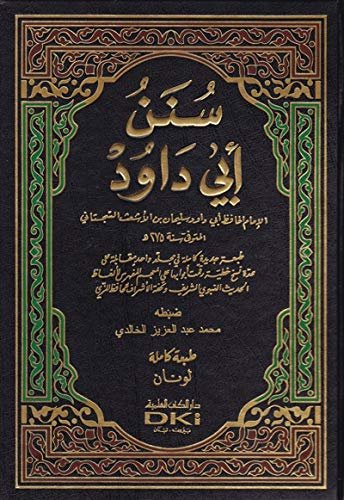
Sunan Abi Dawud
كتاب السنن (سنن أبي داود)
Sunan Abi Dawud is a Hadith kitab on the Alimiyyah shelf of the Labbaik Library, split into the 378 sections teachers track it by. Add it to a class in one tap and see where every class and student is in it, section by section.
- Publisher
- Dar al-Qibla lil-Thaqafa al-Islamiyyah / Mu'assasat al-Rayyan / al-Maktaba al-Makkiyyah, 1st edition, 1419 AH / 1998 (edited by Muhammad Awwamah)
- Sections
- 378
- Pages
- 544
- Volumes
- 5
Contents of Sunan Abi Dawud
The 378 sections teachers mark progress against, in order, with their English names and the printed page numbers.
- Volume 1
- 1مقدمة المحققEditor's introduction (Muhammad Awwamah)pp. 5–149
- 2١ ـ كتاب الطهارةBook 1: Kitab at-Taharah (Purification)pp. 150–169
- 3باب السواكChapter: Siwak (and Wudu)pp. 170–216
- 4باب المسح على الخفينChapter: Wiping over the leather sockspp. 217–252
- 5باب في الإكسال (الغسل)Chapter: Ghuslpp. 253–274
- 6باب مؤاكلة الحائض ومجامعتها (الحيض)Chapter: Menstruationpp. 275–304
- 7باب التيممChapter: Tayammum (and purity of clothing)pp. 305–337
- 8٢ ـ كتاب الصلاة: باب المواقيتBook 2: Kitab as-Salah — Chapter: Prayer timespp. 338–365
- 9باب في بناء المساجدChapter: Building mosquespp. 366–384
- 10باب بدء الأذانChapter: Beginning of the Adhanpp. 385–410
- 11باب التشديد في ترك الجماعة (صلاة الجماعة)Chapter: Stern warning against abandoning congregational prayerpp. 411–424
- 12باب جُمَّاع الإمامة وفضلهاChapter: Imamah and its meritpp. 425–441
- 13باب جماع أبواب ما يصلى فيهChapter: What one may pray in (clothing)pp. 442–456
- 14باب تفريع أبواب الصفوفChapter: Rows, sutrah, opening the prayer, recitation, rukuʿ and sujudpp. 457–544
- Volume 2
- 15باب تفريع أبواب الركوع والسجود، ووضع اليدين على الركبتينChapter: Details of the rukuʿ and sujud chapters, and placing hands on the kneespp. 5–82
- 16باب تفريع أبواب الجمعةChapter: Details of the Jumuʿah chapterspp. 83–117
- 17باب صلاة العيدينChapter: The two Eid prayerspp. 118–128
- 18جماع أبواب الاستسقاء وتفريعهاChapters on the Istisqa (rain prayer) and its detailspp. 129–136
- 19باب صلاة الكسوفChapter: The eclipse prayerpp. 137–148
- 20تفريع أبواب صلاة السفرDetails of the traveller's prayer chapterspp. 149–162
- 21باب صلاة الخوفChapter: The prayer of fearpp. 163–173
- 22باب تفريع أبواب التطوع وركعات السنةChapter: Details of voluntary prayers and Sunnah rakʿahspp. 174–197
- 23باب نسخ قيام الليلChapter: Abrogation of qiyam al-layl and night prayerpp. 198–226
- 24باب تفريع أبواب شهر رمضانChapter: Details of the chapters on Ramadanpp. 227–242
- 25باب تفريع أبواب السجود، وكم سجدة في القرآن؟Chapter: Sujud al-Tilawah and how many prostrations in the Quranpp. 243–248
- 26باب تفريع أبواب الوترChapter: Details of the Witr chapters (incl. Quran recitation, supplications)pp. 249–309
- 27٣ - كتاب الزكاةBook 3: Zakatpp. 310–344
- 28باب زكاة الفطرChapter: Zakat al-Fitr (and further zakat chapters)pp. 345–390
- 29٤ - كتاب اللقطةBook 4: Lost property (Luqatah)pp. 391–402
- 30٥ - كتاب المناسكBook 5: Manasik (Hajj rites) - opening chapterspp. 403–410
- 31باب في المواقيتChapter: The Miqat times and placespp. 411–427
- 32باب في وقت الإحرامChapter: The time of Ihrampp. 428–467
- 33باب دخول مكةChapter: Entering Makkahpp. 468–482
- 34باب صفة حج النبي ﷺChapter: Description of the Prophet's Hajjpp. 483–515
- 35باب العمرةChapter: Umrah (to the end of Kitab al-Manasik)pp. 516–541
- Volume 3
- 36٦ - كتاب النكاح (وأول كتاب الطلاق)Book 6: Kitab an-Nikah (and the start of Kitab at-Talaq)pp. 5–69
- 37٧ - كتاب الطلاق (تتمة: من باب الطلاق على هزل)Book 7: Kitab at-Talaq (continued, from the chapter on divorce in jest)pp. 70–129
- 38٨ - كتاب الصيامBook 8: Kitab as-Siyampp. 130–199
- 39٩ - كتاب الجهادBook 9: Kitab al-Jihadpp. 200–354
- 40١٠ - كتاب الأضاحيBook 10: Kitab al-Adahipp. 355–367
- 41١١ - كتاب الذبائحBook 11: Kitab adh-Dhaba'ihpp. 368–382
- 42١٢ - أبواب الصيدBook 12: Abwab as-Saydpp. 383–390
- 43١٣ - كتاب الوصاياBook 13: Kitab al-Wasayapp. 391–403
- 44١٤ - كتاب الفرائضBook 14: Kitab al-Fara'idpp. 404–424
- 45١٥ - كتاب الخراج والإمارة والفيءBook 15: Kitab al-Kharaj wa al-Imarah wa al-Fay'pp. 425–518
- Volume 4
- 46١٦ - كتاب الجنائزBook 16: Kitab al-Janaiz (Funerals)pp. 5–71
- 47١٧ - كتاب الأيمان والنذورBook 17: Oaths and Vowspp. 72–110
- 48١٨ - كتاب البيوعBook 18: Kitab al-Buyu' (Sales)pp. 111–206
- 49١٩ - كتاب الأقضيةBook 19: Kitab al-Aqdiyah (Judgments)pp. 207–236
- 50٢٠ - كتاب العلمBook 20: Kitab al-Ilm (Knowledge)pp. 237–247
- 51٢١ - كتاب الأشربةBook 21: Kitab al-Ashribah (Drinks)pp. 248–273
- 52٢٢ - كتاب الأطعمةBook 22: Kitab al-At'imah (Foods)pp. 274–317
- 53٢٣ - كتاب الطبBook 23: Kitab at-Tibb (Medicine)pp. 318–348
- 54٢٤ - أبواب العتقBook 24: Chapters on Manumissionpp. 349–366
- 55٢٥ - كتاب الحروف والقراءاتBook 25: Letters and Recitationspp. 367–381
- 56٢٦ - كتاب الحمّامBook 26: Kitab al-Hammam (Bathhouse)pp. 382–386
- 57٢٧ - كتاب اللباسBook 27: Kitab al-Libas (Clothing)pp. 387–443
- 58٢٨ - كتاب الترجلBook 28: Kitab at-Tarajjul (Grooming)pp. 444–464
- 59٢٩ - كتاب الخاتمBook 29: Kitab al-Khatam (Rings)pp. 465–478
- Volume 5
- 60كتاب الفتن – ١ ذكر الفتن ودلائلهاBook of Trials (Fitan) – 1: Mention of the trials and their signspp. 5–15
- 61كتاب الفتن – ٢ باب النهي عن السعي في الفتنةBook of Trials – 2: Prohibition of taking part in a fitnapp. 16–20
- 62كتاب الفتن – ٣ باب في كف اللسانBook of Trials – 3: Restraining the tonguep. 21
- 63كتاب الفتن – ٤ باب ما يرخص فيه من البداوة في الفتنةBook of Trials – 4: Permission to live in the desert during fitnap. 22
- 64كتاب الفتن – ٥ باب في النهي عن القتال في الفتنةBook of Trials – 5: Prohibition of fighting in fitnap. 23
- 65كتاب الفتن – ٦ باب تعظيم قتل المؤمنBook of Trials – 6: The gravity of killing a believerpp. 23–26
- 66كتاب الفتن – ٧ باب ما يرجى في القتلBook of Trials – 7: What is hoped for regarding killingpp. 27–28
- 67كتاب المهدي – ١ باب الملاحمBook of al-Mahdi – 1: Battles (Malahim)p. 29
- 68كتاب المهدي – ٢ باب في ذكر المهديBook of al-Mahdi – 2: Mention of al-Mahdipp. 30–34
- 69كتاب الملاحم – ١ باب ما يذكر في قرن المئةBook of Great Battles (Malahim) – 1: What is said about the turn of the centuryp. 35
- 70كتاب الملاحم – ٢ باب ما ذكر من ملاحم الرومBook of Malahim – 2: Battles with the Romansp. 35
- 71كتاب الملاحم – ٣ باب أمارات الملاحمBook of Malahim – 3: Signs of the battlesp. 36
- 72كتاب الملاحم – ٤ باب تواتر الملاحمBook of Malahim – 4: Succession of the battlesp. 37
- 73كتاب الملاحم – ٥ باب تداعي الأمم على الإسلامBook of Malahim – 5: Nations summoning one another against Islamp. 38
- 74كتاب الملاحم – ٦ باب المعقل من الملاحمBook of Malahim – 6: The refuge during the battlesp. 38
- 75كتاب الملاحم – ٧ باب ارتفاع الفتنة في الملاحمBook of Malahim – 7: Fitna being lifted during the battlesp. 39
- 76كتاب الملاحم – ٨ باب النهي عن تهييج التركBook of Malahim – 8: Prohibition of provoking the Turksp. 39
- 77كتاب الملاحم – ٩ باب في قتال التركBook of Malahim – 9: Fighting the Turksp. 40
- 78كتاب الملاحم – ١٠ باب ذكر البصرةBook of Malahim – 10: Mention of Basrapp. 41–42
- 79كتاب الملاحم – ١١ باب النهي عن تهييج الحبشةBook of Malahim – 11: Prohibition of provoking the Abyssiniansp. 43
- 80كتاب الملاحم – ١٢ باب علامات الساعةBook of Malahim – 12: Signs of the Hourp. 43
- 81كتاب الملاحم – ١٣ باب حسر الفرات عن كنزBook of Malahim – 13: The Euphrates uncovering a treasurep. 44
- 82كتاب الملاحم – ١٤ باب خروج الدجالBook of Malahim – 14: Emergence of the Dajjalpp. 45–48
- 83كتاب الملاحم – ١٥ باب في خبر الجساسةBook of Malahim – 15: The report of al-Jassasapp. 49–51
- 84كتاب الملاحم – ١٦ خبر ابن صيادBook of Malahim – 16: The report of Ibn Sayyadpp. 52–53
- 85كتاب الملاحم – ١٧ باب في الأمر والنهيBook of Malahim – 17: Enjoining good and forbidding evilpp. 54–59
- 86كتاب الملاحم – ١٨ باب قيام الساعةBook of Malahim – 18: The coming of the Hourpp. 60–61
- 87كتاب الحدود – ١ باب الحكم فيمن ارتدBook of Hudud – 1: Ruling on the apostatepp. 62–65
- 88كتاب الحدود – ٢ باب الحكم فيمن سب رسول الله ﷺBook of Hudud – 2: Ruling on one who insults the Messenger ﷺp. 66
- 89كتاب الحدود – ٣ باب المحاربةBook of Hudud – 3: Highway robbery (muharaba)pp. 67–70
- 90كتاب الحدود – ٤ باب الحد يشفع فيهBook of Hudud – 4: Interceding in a hadd punishmentp. 71
- 91كتاب الحدود – ٥ باب الستر على أهل الحدودBook of Hudud – 5: Concealing the faults of offendersp. 72
- 92كتاب الحدود – ٦ باب العفو عن الحدود ما لم تبلغ السلطانBook of Hudud – 6: Pardoning hudud before they reach the rulerp. 72
- 93كتاب الحدود – ٧ باب الستر على أهل الحدودBook of Hudud – 7: Concealing the faults of offenders (second)p. 73
- 94كتاب الحدود – ٨ باب صاحب الحد يجيء فيقرBook of Hudud – 8: The offender who comes and confessesp. 73
- 95كتاب الحدود – ٩ باب في التلقين في الحدBook of Hudud – 9: Prompting in a hadd casep. 74
- 96كتاب الحدود – ١٠ باب الرجل يعترف بحد ولا يسميهBook of Hudud – 10: A man confessing to a hadd without naming itp. 75
- 97كتاب الحدود – ١١ باب الامتحان بالضربBook of Hudud – 11: Testing by beatingp. 75
- 98كتاب الحدود – ١٢ باب ما يقطع فيه السارقBook of Hudud – 12: What amount warrants cutting off a thief's handp. 76
- 99كتاب الحدود – ١٣ باب ما لا قطع فيهBook of Hudud – 13: What does not incur amputationpp. 77–79
- 100كتاب الحدود – ١٤ باب القطع في الخلسة والخيانةBook of Hudud – 14: Amputation for snatching and breach of trustp. 80
- 101الحدود — 15 - باب مَنْ سرق من حرزHudud — Chapter 15: One who steals from a secure placep. 81
- 102الحدود — 16 - باب القطع في العارية إذا جحدتHudud — Chapter 16: Amputation for a denied loanp. 82
- 103الحدود — 17 - باب في المجنون يسرق أو يصيب حداHudud — Chapter 17: The insane person who steals or commits a hadd offencepp. 83–85
- 104الحدود — 18 - باب في الغلام يصيب الحدHudud — Chapter 18: The boy who commits a hadd offencep. 86
- 105الحدود — 19 - باب الرجل يسرق في الغزو، أيقطع؟Hudud — Chapter 19: A man who steals during a military expedition: is he amputated?p. 87
- 106الحدود — 20 - باب في قطع النباشHudud — Chapter 20: Amputating the grave-robberp. 87
- 107الحدود — 21 - باب في السارق يسرق مراراًHudud — Chapter 21: The thief who steals repeatedlyp. 88
- 108الحدود — 22 - باب تعليق يد السارق في عنقهHudud — Chapter 22: Hanging the thief's hand around his neckp. 89
- 109الحدود — 23 - باب بيع المملوك إذا سرقHudud — Chapter 23: Selling a slave who stealsp. 89
- 110الحدود — 24 - باب في الرَّجْمHudud — Chapter 24: Stoning (Rajm)pp. 89–91
- 111الحدود — 25 - باب رجم ماعز بن مالكHudud — Chapter 25: The stoning of Ma'iz ibn Malikpp. 92–100
- 112الحدود — 26 - باب المرأة التي أمر النبي ﷺ برجمها من جهينةHudud — Chapter 26: The woman of Juhaynah whom the Prophet ordered to be stonedpp. 101–103
- 113الحدود — 27 - باب في رجم اليهوديينHudud — Chapter 27: The stoning of the two Jewspp. 104–109
- 114الحدود — 28 - باب في الرجل يزني بحريمهHudud — Chapter 28: A man who commits zina with his close female relativep. 110
- 115الحدود — 29 - باب الرجل يزني بجارية امرأتهHudud — Chapter 29: A man who commits zina with his wife's slave girlpp. 110–111
- 116الحدود — 30 - باب فيمن عمل عمل قوم لوطHudud — Chapter 30: One who does the act of the people of Lutp. 112
- 117الحدود — 31 - باب فيمن أتى بهيمةHudud — Chapter 31: One who has intercourse with an animalp. 113
- 118الحدود — 32 - باب إذا أقر الرجل بالزنا ولم تقر المرأةHudud — Chapter 32: When the man confesses to zina but the woman does notp. 114
- 119الحدود — 33 - باب الرجل يصيب من المرأة دون الجماع فيتوب قبل أن يأخذه الإمامHudud — Chapter 33: A man who does less than intercourse with a woman and repents before the Imam seizes himp. 115
- 120الحدود — 34 - باب في الأَمَة تزني ولم تُحصَنHudud — Chapter 34: The slave girl who commits zina and is not muhsanahpp. 115–116
- 121الحدود — 35 - باب في إقامة الحد على المريضHudud — Chapter 35: Applying the hadd to a sick personp. 117
- 122الحدود — 36 - باب حد القذفHudud — Chapter 36: The hadd for slanderous accusation (Qadhf)p. 118
- 123الحدود — 37 - باب الحد في الخمرHudud — Chapter 37: The hadd for winepp. 118–120
- 124الحدود — 38 - باب إذا تتابع في شرب الخمرHudud — Chapter 38: When someone repeatedly drinks winepp. 121–125
- 125الحدود — 39 - باب إقامة الحد في المسجدHudud — Chapter 39: Carrying out the hadd in the mosquep. 126
- 126الحدود — 40 - باب في التعزيرHudud — Chapter 40: Ta'zir (discretionary punishment)p. 126
- 127الحدود — 41 - باب في ضرب الوجه في الحدHudud — Chapter 41: Striking the face in a hadd punishmentp. 127
- 128الديات — 1 - باب النفس بالنفسDiyat — Chapter 1: A life for a lifep. 128
- 129الديات — 2 - باب لا يؤخذ أحد بجريرة أخيه أو أبيهDiyat — Chapter 2: No one is held responsible for the crime of his brother or fatherp. 129
- 130الديات — 3 - باب الإمام يأمر بالعفو في الدمDiyat — Chapter 3: The Imam commanding forgiveness in blood casespp. 129–133
- 131الديات — 4 - باب ولي العمد يرضى بالديةDiyat — Chapter 4: The guardian in intentional killing accepting blood moneypp. 134–135
- 132الديات — 5 - باب هل يقتل بعد أخذ الديةDiyat — Chapter 5: Is one killed after blood money has been taken?p. 136
- 133الديات — 6 - باب فيمن سُقِيَ سماً فمات، أيُقاد منه؟Diyat — Chapter 6: One given poison who dies: is retaliation taken?pp. 136–140
- 134الديات — 7 - باب من قتل عبده أو مَثَّل به، أيُقاد منه؟Diyat — Chapter 7: One who kills or mutilates his slave: is retaliation taken?pp. 141–142
- 135الديات — 8 - باب القتل بالقسامةDiyat — Chapter 8: Killing established by Qasamahpp. 143–145
- 136الديات — 9 - باب ترك القَوَد بالقسامةDiyat — Chapter 9: Forgoing retaliation in Qasamahpp. 146–147
- 137الديات — 10 - باب يُقاد من القاتل [أو يُقتل بحجر]Diyat — Chapter 10: Retaliation from the killer (or being killed with a stone)p. 148
- 138الديات — 11 - باب أيقادُ المسلم بكافر؟Diyat — Chapter 11: Is a Muslim killed for a disbeliever?p. 149
- 139الديات — 12 - باب من وجد رجلاً مع أهله فقتلهDiyat — Chapter 12: One who finds a man with his wife and kills himp. 150
- 140الديات — 13 - باب العامل يُصاب على يده خطأًDiyat — Chapter 13: The official who is the cause of an accidental injuryp. 151
- 141الديات — 14 - باب [القَوَد من الضربة، وقصّ الأمير من نفسه]Diyat — Chapter 14: Retaliation for a blow, and the ruler submitting to retaliationp. 152
- 142الديات — 15 - باب [عفو النساء]Diyat — Chapter 15: Forgiveness by womenpp. 153–154
- 143الديات — 16 - بابٌ الديةُ كم هي؟Diyat — Chapter 16: How much is the blood money?pp. 155–156
- 144الديات — 17 - باب [في دية الخطأ شبه العمد]Diyat — Chapter 17: Blood money for quasi-intentional killingpp. 157–160
- 145كتاب الديات: 18 - باب أسنان الإبلKitab ad-Diyat: Chapter 18 – Ages of camelsp. 161
- 146كتاب الديات: 19 - باب ديات الأعضاءKitab ad-Diyat: Chapter 19 – Blood money for limbspp. 162–167
- 147كتاب الديات: 20 - باب دية الجنينKitab ad-Diyat: Chapter 20 – Blood money for a fetuspp. 168–173
- 148كتاب الديات: 21 - باب دية المكاتبKitab ad-Diyat: Chapter 21 – Blood money for a mukatabp. 174
- 149كتاب الديات: 22 - باب دية الذميKitab ad-Diyat: Chapter 22 – Blood money for a dhimmip. 175
- 150كتاب الديات: 23 - باب في الرجل يقاتل الرجل فيدفعه عن نفسهKitab ad-Diyat: Chapter 23 – A man who fights another and defends himselfp. 175
- 151كتاب الديات: 24 - باب فيمن تطبب بغير علمKitab ad-Diyat: Chapter 24 – One who practices medicine without knowledgep. 176
- 152كتاب الديات: 25 - باب في دية الخطأ شبه العمدKitab ad-Diyat: Chapter 25 – Blood money for quasi-intentional killingp. 177
- 153كتاب الديات: 26 - باب في الدابة تنفح برجلهاKitab ad-Diyat: Chapter 26 – An animal that kicks with its footp. 178
- 154كتاب الديات: 27 - باب العجماء والمعدن والبئر جبارKitab ad-Diyat: Chapter 27 – Animals, mines and wells (no compensation)p. 178
- 155كتاب الديات: 28 - باب في النار تعدىKitab ad-Diyat: Chapter 28 – Fire that spreadsp. 179
- 156كتاب الديات: 29 - باب جناية العبد تكون للفقراءKitab ad-Diyat: Chapter 29 – A slave's offence against the poorp. 179
- 157كتاب الديات: 30 - باب فيمن قتل في عميا بين قومKitab ad-Diyat: Chapter 30 – One killed in a blind melee between peoplep. 180
- 158كتاب الديات: 31 - باب القصاص في السنKitab ad-Diyat: Chapter 31 – Retaliation for a toothpp. 180–181
- 159كتاب السنة: 1 - باب شرح السنةKitab as-Sunnah: Chapter 1 – Explanation of the Sunnahp. 182
- 160كتاب السنة: 2 - باب النهي عن الجدال واتباع المتشابه من القرآنKitab as-Sunnah: Chapter 2 – Prohibition of disputation and following the ambiguous versesp. 183
- 161كتاب السنة: 3 - باب مجانبة أهل الأهواءKitab as-Sunnah: Chapter 3 – Avoiding people of innovationp. 183
- 162كتاب السنة: 4 - باب ترك السلام على أهل الأهواءKitab as-Sunnah: Chapter 4 – Not greeting people of innovationp. 184
- 163كتاب السنة: 5 - باب النهي عن الجدالKitab as-Sunnah: Chapter 5 – Prohibition of disputationp. 185
- 164كتاب السنة: 6 - باب في لزوم السنةKitab as-Sunnah: Chapter 6 – Adhering to the Sunnahpp. 185–192
- 165كتاب السنة: 7 - باب لزوم السنةKitab as-Sunnah: Chapter 7 – Adhering to the Sunnahp. 193
- 166كتاب السنة: 8 - باب في التفضيلKitab as-Sunnah: Chapter 8 – Ranking of meritp. 194
- 167كتاب السنة: 9 - باب في الخلفاءKitab as-Sunnah: Chapter 9 – The Caliphspp. 195–207
- 168كتاب السنة: 10 - باب في فضل أصحاب رسول الله ﷺKitab as-Sunnah: Chapter 10 – Virtue of the Companions of the Messengerp. 208
- 169كتاب السنة: 11 - باب النهي عن سب أصحاب رسول الله ﷺKitab as-Sunnah: Chapter 11 – Prohibition of reviling the Companionspp. 208–209
- 170كتاب السنة: 12 - باب في استخلاف أبي بكر رضي الله عنهKitab as-Sunnah: Chapter 12 – The appointment of Abu Bakr as caliphp. 210
- 171كتاب السنة: 13 - باب ترك الكلام في الفتنة الأولىKitab as-Sunnah: Chapter 13 – Refraining from speaking about the first fitnahpp. 211–212
- 172كتاب السنة: 14 - باب التخيير بين الأنبياءKitab as-Sunnah: Chapter 14 – Preferring one Prophet over anotherpp. 213–215
- 173كتاب السنة: 15 - باب في رد الإرجاءKitab as-Sunnah: Chapter 15 – Refuting Irja'p. 216
- 174كتاب السنة: 16 - باب الدليل على الزيادة والنقصانKitab as-Sunnah: Chapter 16 – Evidence that faith increases and decreasespp. 216–219
- 175كتاب السنة: 17 - باب في القدرKitab as-Sunnah: Chapter 17 – Qadar (Divine decree)pp. 220–231
- 176كتاب السنة: 18 - باب في ذراري المشركينKitab as-Sunnah: Chapter 18 – Children of the polytheistspp. 232–234
- 177كتاب السنة: 19 - باب في الجهميةKitab as-Sunnah: Chapter 19 – The Jahmiyyahpp. 235–238
- 178كتاب السنة: 20 - باب في الرؤيةKitab as-Sunnah: Chapter 20 – Seeing Allah (Ru'yah)pp. 239–240
- 179كتاب السنة — 21 - باب في الرد على الجهميةKitab as-Sunnah — Ch. 21: Refuting the Jahmiyyahp. 241
- 180كتاب السنة — 22 - باب في القرآنKitab as-Sunnah — Ch. 22: The Qur'anpp. 242–243
- 181كتاب السنة — 23 - باب في الشفاعةKitab as-Sunnah — Ch. 23: Intercessionp. 244
- 182كتاب السنة — 24 - باب في ذكر البعث والصورKitab as-Sunnah — Ch. 24: Resurrection and the Trumpetp. 245
- 183كتاب السنة — 25 - باب في خلق الجنة والنارKitab as-Sunnah — Ch. 25: Creation of Paradise and Hellfirepp. 245–246
- 184كتاب السنة — 26 - باب في الحوضKitab as-Sunnah — Ch. 26: The Pond (Hawd)pp. 246–248
- 185كتاب السنة — 27 - باب في المسألة في القبر وعذاب القبرKitab as-Sunnah — Ch. 27: Questioning in the Grave and Punishment of the Gravepp. 248–251
- 186كتاب السنة — 28 - باب في ذكر الميزانKitab as-Sunnah — Ch. 28: The Scalepp. 251–252
- 187كتاب السنة — 29 - باب في الدجالKitab as-Sunnah — Ch. 29: The Dajjalp. 252
- 188كتاب السنة — 30 - باب في الخوارجKitab as-Sunnah — Ch. 30: The Khawarijpp. 252–254
- 189كتاب السنة — 31 - باب في قتال الخوارجKitab as-Sunnah — Ch. 31: Fighting the Khawarijpp. 254–260
- 190كتاب السنة — 32 - باب في قتال اللصوصKitab as-Sunnah — Ch. 32: Fighting Robberspp. 260–263
- 191كتاب الأدب — 1 - باب في الحلم وأخلاق النبي ﷺKitab al-Adab — Ch. 1: Forbearance and the Character of the Prophetpp. 264–265
- 192كتاب الأدب — 2 - باب في الوقارKitab al-Adab — Ch. 2: Dignityp. 266
- 193كتاب الأدب — 3 - باب من كظم غيظاًKitab al-Adab — Ch. 3: Suppressing Angerpp. 266–267
- 194كتاب الأدب — 4 - باب ما يقال عند الغضبKitab al-Adab — Ch. 4: What to Say When Angrypp. 268–269
- 195كتاب الأدب — 5 - باب في التجاوز في الأمرKitab al-Adab — Ch. 5: Overlooking Mattersp. 270
- 196كتاب الأدب — 6 - باب في حسن العشرةKitab al-Adab — Ch. 6: Good Companionshippp. 270–273
- 197كتاب الأدب — 7 - باب في الحياءKitab al-Adab — Ch. 7: Modestypp. 273–275
- 198كتاب الأدب — 8 - باب في حسن الخلقKitab al-Adab — Ch. 8: Good Characterpp. 275–276
- 199كتاب الأدب — 9 - باب في كراهية الرفعة من الأمورKitab al-Adab — Ch. 9: Dislike of Haughtinesspp. 276–277
- 200كتاب الأدب — 10 - باب كراهية التمادحKitab al-Adab — Ch. 10: Dislike of Mutual Praisepp. 277–278
- 201كتاب الأدب — 11 - باب في الرفقKitab al-Adab — Ch. 11: Gentlenesspp. 278–279
- 202كتاب الأدب — 12 - باب في شكر المعروفKitab al-Adab — Ch. 12: Thanking for Kindnesspp. 280–281
- 203كتاب الأدب — 13 - باب في الجلوس بالطرقاتKitab al-Adab — Ch. 13: Sitting in the Streetspp. 281–282
- 204كتاب الأدب — 14 - باب في سعة المجلسKitab al-Adab — Ch. 14: Spaciousness of a Gatheringpp. 282–283
- 205كتاب الأدب — 15 - باب الجلوس بين الظل والشمسKitab al-Adab — Ch. 15: Sitting Between Shade and Sunp. 283
- 206كتاب الأدب — 16 - باب في التحلقKitab al-Adab — Ch. 16: Sitting in Circlespp. 283–284
- 207كتاب الأدب — 17 - باب الجلوس وسط الحلقةKitab al-Adab — Ch. 17: Sitting in the Middle of a Circlep. 284
- 208كتاب الأدب — 18 - باب في الرجل يقوم للرجل عن مجلسهKitab al-Adab — Ch. 18: A Man Rising from His Seat for Anotherpp. 284–285
- 209كتاب الأدب — 19 - باب الرجل يقوم للرجل عن مجلسهKitab al-Adab — Ch. 19: A Man Rising for Another from His Seatp. 285
- 210كتاب الأدب — 20 - باب من يؤمر أن يجالسKitab al-Adab — Ch. 20: Whom One Is Told to Sit Withpp. 285–287
- 211كتاب الأدب — 21 - باب في كراهية المراءKitab al-Adab — Ch. 21: Dislike of Disputationpp. 287–288
- 212كتاب الأدب — 22 - باب في الهدي في الكلامKitab al-Adab — Ch. 22: Manner of Speechpp. 288–289
- 213كتاب الأدب — 23 - باب في الخطبةKitab al-Adab — Ch. 23: The Sermonp. 289
- 214كتاب الأدب — 24 - باب تنزيل الناس منازلهمKitab al-Adab — Ch. 24: Giving People Their Due Rankpp. 289–291
- 215كتاب الأدب — 25 - باب في الرجل يجلس بين الرجلين بإذنهماKitab al-Adab — Ch. 25: Sitting Between Two Men with Their Permissionp. 291
- 216كتاب الأدب — 26 - باب جلوس الرجلKitab al-Adab — Ch. 26: Manner of Sittingpp. 291–293
- 217كتاب الأدب — 27 - باب في الجلسة المكروهةKitab al-Adab — Ch. 27: Disliked Ways of Sittingp. 293
- 218كتاب الأدب — 28 - باب النهي عن السمر بعد العشاءKitab al-Adab — Ch. 28: Prohibition of Night Talk After Ishap. 293
- 219كتاب الأدب — 29 - باب في التناجيKitab al-Adab — Ch. 29: Whispering Privatelypp. 293–294
- 220كتاب الأدب — 30 - باب من قام من مجلسه ثم رجعKitab al-Adab — Ch. 30: One Who Leaves His Seat and Returnsp. 294
- 221كتاب الأدب — 31 - باب كراهية أن يقوم الرجل من مجلسه ولا يذكر اللهKitab al-Adab — Ch. 31: Leaving a Gathering Without Remembering Allahpp. 294–295
- 222كتاب الأدب — 32 - باب الرجل يجلس متربعاًKitab al-Adab — Ch. 32: Sitting Cross-Leggedp. 295
- 223كتاب الأدب — 33 - باب في كفارة المجلسKitab al-Adab — Ch. 33: Expiation of a Gatheringpp. 296–297
- 224كتاب الأدب — 34 - باب رفع الحديثKitab al-Adab — Ch. 34: Carrying Talesp. 298
- 225كتاب الأدب — 35 - باب في الحذر من الناسKitab al-Adab — Ch. 35: Caution Regarding Peoplep. 299
- 226كتاب الأدب — 36 - باب في هَدْي الرجلKitab al-Adab — Ch. 36: A Man's Demeanorp. 300
- 227كتاب الأدب — 37 - باب في الرجل يضع إحدى رجليه على الأخرىKitab al-Adab — Ch. 37: Placing One Leg on the Otherp. 301
- 228كتاب الأدب — 38 - باب في نقل الحديثKitab al-Adab — Ch. 38: Relaying Conversationsp. 302
- 229كتاب الأدب — 39 - باب في القتاتKitab al-Adab — Ch. 39: The Talebearerpp. 302–303
- 230كتاب الأدب — 40 - باب في ذي الوجهينKitab al-Adab — Ch. 40: The Two-Faced Personp. 303
- 231كتاب الأدب — 41 - باب في الغيبةKitab al-Adab — Ch. 41: Backbitingpp. 303–306
- 232كتاب الأدب — 42 - باب من ردَّ عن مسلم غيبةKitab al-Adab — Ch. 42: Defending a Muslim Against Backbitingpp. 306–307
- 233كتاب الأدب — 43 - باب من ليست له غيبةKitab al-Adab — Ch. 43: Whom Backbiting Does Not Apply Top. 307
- 234كتاب الأدب — 44 - باب في النهي عن التجسسKitab al-Adab — Ch. 44: Prohibition of Spyingpp. 308–309
- 235كتاب الأدب — 45 - باب في الستر على المسلمKitab al-Adab — Ch. 45: Concealing a Muslim's Faultspp. 309–310
- 236كتاب الأدب — 46 - باب المؤاخاةKitab al-Adab — Ch. 46: Brotherhoodpp. 310–311
- 237كتاب الأدب — 47 - باب المستبَّانKitab al-Adab — Ch. 47: Two People Insulting Each Otherp. 311
- 238كتاب الأدب — 48 - باب في التواضعKitab al-Adab — Ch. 48: Humilityp. 311
- 239كتاب الأدب — 49 - باب في الانتصارKitab al-Adab — Ch. 49: Retaliationpp. 311–313
- 240كتاب الأدب — 50 - باب في النهي عن سب الموتىKitab al-Adab — Ch. 50: Prohibition of Reviling the Deadp. 313
- 241كتاب الأدب — 51 - باب في النهي عن البغيKitab al-Adab — Ch. 51: Prohibition of Oppressionp. 314
- 242كتاب الأدب — 52 - باب في الحسدKitab al-Adab — Ch. 52: Envypp. 315–316
- 243كتاب الأدب — 53 - باب في اللعنKitab al-Adab — Ch. 53: Cursingpp. 316–317
- 244كتاب الأدب — 54 - باب فيمن دعا على من ظلمهKitab al-Adab — Ch. 54: Supplicating Against One Who Wronged Youp. 317
- 245كتاب الأدب — 55 - باب فيمن يهجر أخاه المسلمKitab al-Adab — Ch. 55: Boycotting a Muslim Brotherpp. 317–319
- 246كتاب الأدب — 56 - باب في الظنKitab al-Adab — Ch. 56: Suspicionp. 320
- 247كتاب الأدب — 57 - باب في النصيحة للمؤمنينKitab al-Adab — Ch. 57: Sincere Advice to the Believersp. 320
- 24858 ـ باب في إصلاح ذات البينChapter 58: Reconciling between peoplepp. 321–322
- 24959 ـ باب في النهي عن الغناءChapter 59: Prohibition of singingp. 323
- 25060 ـ باب كراهية الغناء والزمرChapter 60: Dislike of singing and reed pipespp. 323–324
- 25161 ـ باب الحكم في المخنثينChapter 61: Ruling on effeminate menpp. 325–326
- 25262 ـ باب تغيير الاسم القبيحChapter 62: Changing an ugly namep. 326
- 25363 ـ باب اللعب بالبناتChapter 63: Playing with dollspp. 326–327
- 25464 ـ باب في الأرجوحةChapter 64: The swingpp. 327–329
- 25565 ـ باب في النهي عن اللعب بالنردChapter 65: Prohibition of playing dicep. 329
- 25666 ـ باب في اللعب بالحمامChapter 66: Playing with pigeonspp. 329–330
- 25767 ـ باب في الرحمةChapter 67: Mercypp. 330–331
- 25868 ـ باب في النصيحةChapter 68: Sincere advicepp. 331–332
- 25969 ـ باب في المعونة للمسلمChapter 69: Helping a Muslimp. 332
- 26070 ـ باب تغيير الأسماءChapter 70: Changing namespp. 332–334
- 26171 ـ باب في تغيير الاسم القبيحChapter 71: Changing an ugly namepp. 334–338
- 26272 ـ باب في الألقابChapter 72: Nicknamespp. 338–339
- 26373 ـ باب فيمن يكنى أبا عيسىChapter 73: Being given the kunya Abu Isap. 339
- 26474 ـ باب في الرجل يقول لابن غيره: يا بنيChapter 74: A man saying 'my son' to another's sonpp. 339–340
- 26575 ـ باب في الرجل يكنى بأبي القاسمChapter 75: A man taking the kunya Abu al-Qasimp. 340
- 26676 ـ باب من روى أن لا يجمع بينهماChapter 76: Those who report not combining the name and kunyapp. 340–341
- 26777 ـ باب في الرخصة في الجمع بينهماChapter 77: Concession in combining themp. 341
- 26878 ـ باب في الرجل يكنى وليس له ولدChapter 78: A man given a kunya without having a childpp. 341–342
- 26979 ـ باب في المرأة تكنّىChapter 79: A woman being given a kunyap. 342
- 27080 ـ باب في المعاريضChapter 80: Allusive speechpp. 342–343
- 27181 ـ باب قول الرجل «زعموا»Chapter 81: A man saying 'they claim'p. 343
- 27282 ـ باب في «أما بعد» في الخطبChapter 82: 'Amma ba'd' in sermonsp. 343
- 27383 ـ باب في حفظ المنطقChapter 83: Guarding one's speechpp. 343–344
- 27484 ـ باب لا يقول المملوك: ربي، وربتيChapter 84: A slave should not say 'my lord'pp. 344–345
- 27585 ـ باب لا يقال خبثت نفسيChapter 85: Not saying 'my soul is foul'p. 345
- 27686 ـ بابChapter 86 (untitled)pp. 345–346
- 27787 ـ باب في صلاة العتمةChapter 87: The 'Atamah prayerpp. 347–348
- 27888 ـ باب ما روي من الترخيص في ذلكChapter 88: Concession reported regarding thatp. 348
- 27989 ـ باب في النهي عن الكذبChapter 89: Prohibition of lyingpp. 348–350
- 28090 ـ باب في حسن الظنChapter 90: Good opinion of othersp. 350
- 28191 ـ بابChapter 91 (untitled)pp. 350–351
- 28292 ـ باب في العدةChapter 92: Promisesp. 351
- 28393 ـ باب في المتشبع بما لم يعطهChapter 93: One who boasts of what he was not givenp. 352
- 28494 ـ باب في المزاحChapter 94: Jokingpp. 352–353
- 28595 ـ باب من يأخذ الشيء على المزاحChapter 95: Taking something in jestpp. 353–354
- 28696 ـ باب في المتشدّق في الكلامChapter 96: One who speaks affectedlypp. 354–356
- 28797 ـ باب في قول الشعرChapter 97: Reciting poetrypp. 356–359
- 28898 ـ باب في الرؤياChapter 98: Dreamspp. 359–362
- 28999 ـ باب في التثاؤبChapter 99: Yawningp. 362
- 290100 ـ باب في العطاسChapter 100: Sneezingp. 363
- 291101 ـ باب في تشميت العاطسChapter 101: Saying yarhamuk Allah to a sneezerpp. 363–364
- 292102 ـ باب كم يشمَّت العاطسChapter 102: How many times to respond to a sneezerpp. 364–366
- 293103 ـ باب تشميت الذمّيChapter 103: Responding to a non-Muslim's sneezep. 366
- 294104 ـ باب من يعطس فلا يحمد الله؟Chapter 104: One who sneezes and does not praise Allahpp. 366–367
- 295أبواب النوم: 105 ـ باب فيمن ينبطح على بطنهSleep: Chapter 105: Lying on one's stomachpp. 367–368
- 296أبواب النوم: 106 ـ باب في النوم على سطح غير محجَّرSleep: Chapter 106: Sleeping on an unwalled roofp. 368
- 297أبواب النوم: 107 ـ باب في النوم على طهارةSleep: Chapter 107: Sleeping in a state of puritypp. 368–369
- 298أبواب النوم: 108 ـ باب كيف يتوجّهSleep: Chapter 108: How to lie facingpp. 369–370
- 299أبواب النوم: 109 ـ باب ما يقال عند النومSleep: Chapter 109: What is said at bedtimepp. 370–376
- 300أبواب النوم: 110 ـ باب ما يقول إذا تعارّ من الليلSleep: Chapter 110: What to say when waking at nightpp. 377–378
- 301أبواب النوم: 111 ـ باب التسبيح عند النومSleep: Chapter 111: Glorification at bedtimepp. 378–381
- 302أبواب النوم: 112 ـ باب ما يقول إذا أصبحSleep: Chapter 112: What to say upon waking in the morningpp. 381–394
- 303113 ـ باب ما يقول إذا رأى الهلالChapter 113: What to say on seeing the crescent moonpp. 394–395
- 304114 ـ باب من دخل إلى بيته، ما يقول؟Chapter 114: What to say when entering one's homepp. 395–396
- 305115 ـ باب القول إذا هاجت الريحChapter 115: What to say when the wind risespp. 396–397
- 306116 ـ باب في المطرChapter 116: Rainpp. 397–398
- 307117 ـ باب في الديك والبهائمChapter 117: The rooster and animalspp. 398–399
- 308118 ـ باب الصبي يُولد فيؤذَّن في أذنهChapter 118: Calling the adhan in a newborn's earpp. 399–400
- 309117 ـ باب الرجل يستعيذ من الرجلChapter (printed 117): A man seeking refuge in Allah from another manp. 400
- 310أبواب النوم — 120 باب ردّ الوسوسةAbwab an-Nawm — Ch. 120: Repelling whispers (waswasah)pp. 401–402
- 311أبواب النوم — 121 باب في الرجل ينتمي إلى غير مواليهAbwab an-Nawm — Ch. 121: A man attributing himself to other than his masterspp. 402–404
- 312أبواب النوم — 122 باب التفاخر بالأحسابAbwab an-Nawm — Ch. 122: Boasting about lineagep. 404
- 313أبواب النوم — 123 باب في العصبيةAbwab an-Nawm — Ch. 123: Tribal partisanship (asabiyyah)pp. 404–406
- 314أبواب النوم — 124 باب إخبار الرجل الرجل بمحبته إياهAbwab an-Nawm — Ch. 124: Telling a man that you love himpp. 406–407
- 315أبواب النوم — 125 باب في المشورةAbwab an-Nawm — Ch. 125: Consultationpp. 407–408
- 316أبواب النوم — 126 باب في الدال على الخيرAbwab an-Nawm — Ch. 126: One who guides to goodp. 408
- 317أبواب النوم — 127 باب في الهوىAbwab an-Nawm — Ch. 127: Desire (hawa)p. 408
- 318أبواب النوم — 128 باب في الشفاعةAbwab an-Nawm — Ch. 128: Intercessionp. 408
- 319أبواب النوم — 129 باب فيمن يبدأ بنفسه في الكتابAbwab an-Nawm — Ch. 129: Starting a letter with oneselfp. 409
- 320أبواب النوم — 130 باب كيف يكتب إلى الذميAbwab an-Nawm — Ch. 130: How to write to a dhimmip. 409
- 321أبواب النوم — 131 باب في برّ الوالدينAbwab an-Nawm — Ch. 131: Dutifulness to parentspp. 410–412
- 322أبواب النوم — 132 باب في فضل من عال يتيماًAbwab an-Nawm — Ch. 132: Virtue of one who supports an orphanpp. 413–414
- 323أبواب النوم — 133 باب في ضم اليتيمAbwab an-Nawm — Ch. 133: Taking in an orphanp. 414
- 324أبواب النوم — 134 باب في حق الجارAbwab an-Nawm — Ch. 134: Rights of the neighbourpp. 414–415
- 325أبواب النوم — 135 باب في حق المملوكAbwab an-Nawm — Ch. 135: Rights of slavespp. 415–420
- 326أبواب النوم — 136 باب في المملوك إذا نصحAbwab an-Nawm — Ch. 136: A slave who is sincere to his masterp. 420
- 327أبواب النوم — 137 باب فيمن يخبّب مملوكاً على مولاهAbwab an-Nawm — Ch. 137: Corrupting a slave against his masterp. 421
- 328أبواب النوم — 138 باب في الاستئذانAbwab an-Nawm — Ch. 138: Seeking permission to enterpp. 421–422
- 329أبواب النوم — 139 باب كيف الاستئذانAbwab an-Nawm — Ch. 139: How to seek permissionpp. 422–424
- 330أبواب النوم — 140 باب كم مرة يسلّم الرجل في الاستئذانAbwab an-Nawm — Ch. 140: How many times to greet when seeking permissionpp. 424–427
- 331أبواب النوم — 141 باب الرجل يستأذن بالدقAbwab an-Nawm — Ch. 141: Seeking permission by knockingp. 427
- 332أبواب النوم — 142 باب في الرجل يدق الباب ولا يسلّمAbwab an-Nawm — Ch. 142: Knocking without giving salampp. 427–428
- 333أبواب النوم — 143 باب في الرجل يُدعى فيكون ذلك إذنهAbwab an-Nawm — Ch. 143: Being summoned counts as permissionp. 428
- 334أبواب النوم — 144 باب الاستئذان في العورات الثلاثAbwab an-Nawm — Ch. 144: Seeking permission at the three times of privacypp. 429–430
- 335أبواب السلام — 145 باب في إفشاء السلامAbwab as-Salam — Ch. 145: Spreading salamp. 430
- 336أبواب السلام — 146 باب كيف السلام؟Abwab as-Salam — Ch. 146: How to give salampp. 430–431
- 337أبواب السلام — 147 باب فضل من بدأ بالسلامAbwab as-Salam — Ch. 147: Virtue of the one who greets firstp. 431
- 338أبواب السلام — 148 باب مَن أولى بالسلامAbwab as-Salam — Ch. 148: Who should greet firstpp. 431–432
- 339أبواب السلام — 149 باب الرجل يفارق الرجل ثم يلقاه، يسلّم عليه؟Abwab as-Salam — Ch. 149: Greeting a man you part from and meet againpp. 432–433
- 340أبواب السلام — 150 باب في السلام على الصبيانAbwab as-Salam — Ch. 150: Greeting childrenp. 433
- 341أبواب السلام — 151 باب السلام على النساءAbwab as-Salam — Ch. 151: Greeting womenp. 433
- 342أبواب السلام — 152 باب السلام على أهل الذمةAbwab as-Salam — Ch. 152: Greeting the dhimmispp. 433–434
- 343أبواب السلام — 153 باب السلام عند القيامAbwab as-Salam — Ch. 153: Giving salam when rising to leavepp. 434–435
- 344أبواب السلام — 154 باب كراهية قول: عليك السلامAbwab as-Salam — Ch. 154: Dislike of saying 'alayka as-salam'p. 435
- 345أبواب السلام — 155 باب ما جاء في ردّ الواحد عن الجماعةAbwab as-Salam — Ch. 155: One person replying on behalf of a groupp. 435
- 346أبواب السلام — 156 باب المصافحةAbwab as-Salam — Ch. 156: Handshakingpp. 435–436
- 347أبواب السلام — 157 باب المعانقةAbwab as-Salam — Ch. 157: Embracingpp. 436–437
- 348أبواب السلام — 158 باب ماجاء في القيامAbwab as-Salam — Ch. 158: Standing up (for someone)p. 437
- 349أبواب السلام — 159 باب قُبلة الرجل ولدهAbwab as-Salam — Ch. 159: A man kissing his childp. 438
- 350أبواب السلام — 160 باب قُبلة مابين العينينAbwab as-Salam — Ch. 160: Kissing between the eyesp. 438
- 351أبواب السلام — 161 باب قُبلة الخدAbwab as-Salam — Ch. 161: Kissing the cheekp. 439
- 352أبواب السلام — 162 باب قُبلة اليدAbwab as-Salam — Ch. 162: Kissing the handp. 439
- 353أبواب السلام — 163 باب قُبلة الجسدAbwab as-Salam — Ch. 163: Kissing the bodypp. 439–440
- 354أبواب السلام — 164 باب قُبلة الرِّجْلAbwab as-Salam — Ch. 164: Kissing the footp. 440
- 355أبواب السلام — 165 باب الرجل يقول: جعلني الله فداكAbwab as-Salam — Ch. 165: Saying 'May Allah make me your ransom'p. 440
- 356أبواب السلام — 166 باب الرجل يقول للرجل: أنعم الله بك عيناًAbwab as-Salam — Ch. 166: Saying 'An'ama Allahu bika 'aynan'p. 441
- 357أبواب السلام — 167 باب قيام الرجل للرجل تعظيماً لهAbwab as-Salam — Ch. 167: Standing for a man out of reverencepp. 441–442
- 358أبواب السلام — 168 باب قول الرجل: حفظك اللهAbwab as-Salam — Ch. 168: Saying 'Hafizaka Allah'p. 442
- 359أبواب السلام — 169 باب إبلاغ السلامAbwab as-Salam — Ch. 169: Conveying salampp. 442–443
- 360أبواب السلام — 170 باب قول لبيكAbwab as-Salam — Ch. 170: Saying 'Labbayk'p. 443
- 361أبواب السلام — 171 باب قول: أضحك الله سنّكAbwab as-Salam — Ch. 171: Saying 'May Allah make you smile'pp. 443–444
- 362أبواب السلام — 172 باب في البناءAbwab as-Salam — Ch. 172: Buildingpp. 444–445
- 363أبواب السلام — 173 باب اتخاذ الغُرفAbwab as-Salam — Ch. 173: Making upper roomspp. 445–446
- 364أبواب السلام — 174 باب في قطع السِّدْرAbwab as-Salam — Ch. 174: Cutting down lote treespp. 446–447
- 365أبواب السلام — 175 باب إماطة الأذى عن الطريقAbwab as-Salam — Ch. 175: Removing harm from the roadpp. 447–448
- 366أبواب السلام — 176 باب إطفاء النار بالليلAbwab as-Salam — Ch. 176: Extinguishing fire at nightpp. 448–449
- 367أبواب السلام — 177 باب قتل الحياتAbwab as-Salam — Ch. 177: Killing snakespp. 449–453
- 368أبواب السلام — 178 باب في قتل الأوزاغAbwab as-Salam — Ch. 178: Killing geckospp. 453–454
- 369أبواب السلام — 179 باب في قتل الذّرAbwab as-Salam — Ch. 179: Killing antspp. 454–456
- 370أبواب السلام — 180 باب قتل الضِّفدِعAbwab as-Salam — Ch. 180: Killing frogsp. 456
- 371أبواب السلام — 181 باب في الخَذْفAbwab as-Salam — Ch. 181: Throwing pebbles (khadhf)p. 456
- 372أبواب السلام — 182 باب في الختانAbwab as-Salam — Ch. 182: Circumcisionpp. 456–457
- 373أبواب السلام — 183 باب مشي النساء في الطرقAbwab as-Salam — Ch. 183: Women walking in the streetspp. 457–458
- 374أبواب السلام — 184 باب الرجل يسبُّ الدهرAbwab as-Salam — Ch. 184: A man cursing time (dahr)p. 458
- 375خاتمة كتاب الأدب والسنن وتعليقات المحققEnd of Kitab al-Adab and the Sunan; editor's closing notespp. 458–462
- 376فهرس الكتب والأبواب (الجزء الخامس)Index of books and chapters (Vol. 5)pp. 463–482
- 377فهرس المصادر والمراجعIndex of Sources and Referencespp. 483–500
- 378صدر للأستاذ محمد عوامةOther Publications by Muhammad Awwamap. 501
Only the cover and this outline are shared, never the kitab’s contents. All credit belongs to its author and publisher.
Tracking Sunan Abi Dawud in Labbaik
- Add it to a class. Pick it from the Library in one tap. Its sections come with it, so nobody types out a contents page.
- Mark progress as you teach. The ustadh marks each section as the class reaches it, and can mark any student who is ahead or behind.
- See where everyone is. The principal sees every year group's place in every kitab, and adult students see their own progress in the portal.
More on running an Alimiyyah programme: Labbaik for Darul Ulooms and Islamic institutes, the Dars-e-Nizami syllabus year by year, and the guide to Darul Uloom software.
More Hadith kitabs in the Library
- Al-Jami' al-Kabir (Sunan at-Tirmidhi) with al-Kawkab ad-Durri · الجامع الكبير (سنن الترمذي) ومعه الكوكب الدري على جامع الترمذي
- Al-Mafatih fi Sharh al-Masabih · المفاتيح في شرح المصابيح
- Al-Ta'liq al-Sabih ala Mishkat al-Masabih · التعليق الصبيح على مشكاة المصابيح
- Amani al-Ahbar fi Sharh Ma'ani al-Athar · أماني الأحبار في شرح معاني الآثار
- At-Taqrir ar-Rafi' li-Mishkat al-Masabih · التقرير الرفيع لمشكاة المصابيح
- Athar as-Sunan with at-Ta'liq al-Hasan · آثار السنن مع التعليق الحسن
- Badhl al-Majhud fi Hall Sunan Abi Dawud · بذل المجهود في حل سنن أبي داود
- Bahjat an-Nazar (commentary on Sharh Nukhbat al-Fikr) · بهجة النظر شرح على شرح نخبة الفكر
- Fath al-Bari · فتح الباري بشرح صحيح البخاري
- Fath al-Mulhim bi-Sharh Sahih al-Imam Muslim · فتح الملهم بشرح صحيح الإمام مسلم
- Imaan un-Nazar (Sharh Sharh Nukhbat al-Fikr) · إمعان النظر شرح شرح نخبة الفكر
- Jami at-Tirmidhi · جامع الترمذي